


Aziderm Cream

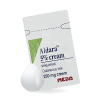
Aziderm Cream is a trusted topical treatment designed to address various skin concerns. This effective cream helps reduce the appearance of blemishes and promotes a clearer complexion. As an over-the-counter (OTC) product, Aziderm Cream is readily available for purchase without a prescription. Its gentle yet powerful formula works to improve skin texture and tone. Experience the benefits of Aziderm Cream for healthier-looking skin.
Extra 10% discount with coupon: EXTRA10
Each dosage option has its own packaging options.
Aziderm Cream How it Addresses Acne Rosacea and Skin Pigmentation
Embark on a journey to rediscover the radiance of your skin with Aziderm Cream, a highly effective topical treatment designed to address a variety of common dermatological concerns. In the pursuit of flawless and comfortable skin, many individuals encounter challenges such as persistent acne, the tell-tale redness of rosacea, or the stubborn appearance of dark spots and uneven skin tone. Aziderm Cream offers a scientifically-backed solution, leveraging the powerful benefits of its active ingredient to target these issues at their core, promoting a visibly healthier and more uniform complexion.
This comprehensive guide delves into every aspect of Aziderm Cream, providing detailed insights into its mechanism of action, key benefits, proper application techniques, and what to expect during your treatment journey. Whether you’re struggling with inflammatory acne breakouts, the sensitivity and redness associated with rosacea, or the desire to fade hyperpigmentation, understanding how Aziderm Cream works can empower you to make informed decisions for your skincare regimen. We aim to equip you with all the necessary information to integrate this versatile cream effectively into your daily routine and achieve the luminous skin you deserve.
What is Aziderm Cream?
Aziderm Cream is a leading dermatological preparation primarily recognized for its efficacy in treating various skin conditions, notably acne vulgaris, rosacea, and certain types of hyperpigmentation. At the heart of its therapeutic power lies its active ingredient, azelaic acid, a naturally occurring dicarboxylic acid found in grains like wheat, rye, and barley. This remarkable compound possesses a multifaceted action that makes it incredibly versatile and beneficial for a wide range of skin types and concerns, including sensitive skin and individuals with darker complexions who often experience post-inflammatory hyperpigmentation.
The cream is formulated for topical application, meaning it works directly on the skin’s surface and within its layers to exert its therapeutic effects. Unlike some other potent skincare ingredients that can be harsh or cause significant irritation, azelaic acid is often well-tolerated, making Aziderm Cream a preferred choice for many seeking effective yet gentle treatment. Its non-comedogenic properties mean it won’t clog pores, which is crucial for those prone to breakouts. The meticulous development of Aziderm Cream ensures optimal penetration of azelaic acid into the skin, maximizing its ability to reduce inflammation, combat bacteria, and promote a clearer, more even skin tone. This makes it an indispensable tool in the fight against various skin imperfections, helping users in the USA and worldwide achieve healthier-looking skin.
Key Benefits of Aziderm Cream
Aziderm Cream delivers a spectrum of benefits, making it a powerful addition to any skincare regimen targeting specific skin concerns. Its active ingredient, azelaic acid, works through several distinct pathways to improve skin health and appearance:
- Significant Reduction in Acne Lesions: One of the primary uses of Aziderm Cream is in the treatment of mild to moderate acne vulgaris. It effectively reduces both inflammatory lesions (papules and pustules) and non-inflammatory lesions (blackheads and whiteheads). The cream works by preventing the growth of acne-causing bacteria, such as Propionibacterium acnes, and by normalizing the shedding of skin cells, which helps to prevent pores from becoming clogged. This dual action leads to a noticeable decrease in breakout frequency and severity, resulting in smoother and clearer skin.
- Potent Anti-inflammatory Action: For conditions like rosacea, inflammation is a key component, causing persistent redness and visible blood vessels. Azelaic acid possesses strong anti-inflammatory properties that help to calm irritated skin, reduce redness, and alleviate the discomfort associated with inflammatory skin conditions. This soothing effect is crucial for individuals with sensitive skin, as it minimizes the stinging and burning often experienced with other treatments.
- Effective Antibacterial Properties: The bacterial component in acne development is significantly addressed by Aziderm Cream. Azelaic acid acts as an antibacterial agent, reducing the population of bacteria on the skin surface and within hair follicles. By controlling bacterial proliferation, it directly contributes to the prevention and healing of acne lesions, fostering a healthier skin microbiome.
- Reduction of Redness and Erythema: Particularly beneficial for rosacea sufferers, Aziderm Cream plays a vital role in diminishing the characteristic facial redness (erythema) and reducing the appearance of papules and pustules. Its anti-inflammatory action targets the underlying processes that contribute to redness, leading to a more even and less reactive complexion.
- Evening Skin Tone and Fading Dark Spots: Beyond its anti-acne and anti-rosacea benefits, azelaic acid is also a well-regarded agent for treating hyperpigmentation. It selectively inhibits tyrosinase, an enzyme crucial for melanin production, without affecting normally pigmented skin. This makes Aziderm Cream highly effective in fading post-inflammatory hyperpigmentation (PIH) left behind by acne, as well as addressing other forms of discoloration like melasma and sun spots. Regular use can lead to a more uniform and radiant skin tone.
- Gentle Exfoliation and Pore Normalization: Aziderm Cream has mild keratolytic properties, meaning it helps to normalize the shedding of skin cells. This prevents dead skin cells from accumulating and clogging pores, which is a common precursor to acne formation. By promoting healthy skin cell turnover, it helps to keep pores clear and the skin’s texture refined.
- Suitability for Various Skin Types: Due to its relatively gentle nature and effective action, Aziderm Cream is suitable for a wide range of skin types, including those considered sensitive. Its tolerability profile is often superior to some other acne treatments, making it an excellent option for individuals who may not tolerate stronger retinoids or benzoyl peroxide.
How Aziderm Cream Works
The therapeutic efficacy of Aziderm Cream stems from the intricate and multi-faceted mechanism of action of its active ingredient, azelaic acid. This naturally occurring dicarboxylic acid addresses key pathological factors involved in acne, rosacea, and hyperpigmentation, providing comprehensive treatment and visible results. Understanding how it works can help users appreciate its distinct advantages:
- Antibacterial Action Against P. acnes: One of the primary culprits in the development of acne vulgaris is the bacterium Propionibacterium acnes (now often referred to as Cutibacterium acnes). These bacteria thrive in oxygen-poor environments within clogged hair follicles and produce fatty acids that trigger inflammation. Azelaic acid significantly reduces the colonization of these bacteria on the skin and within the follicles. It achieves this by interfering with bacterial cellular processes, inhibiting protein synthesis and DNA replication, thereby limiting their growth and reducing their inflammatory byproducts. This direct antibacterial effect is crucial for diminishing existing acne lesions and preventing new ones from forming.
- Normalization of Keratinization: In acne-prone skin, there’s often an abnormal shedding of skin cells (keratinocytes) within the hair follicles. Instead of shedding individually, these cells clump together and mix with sebum, forming a plug that blocks the follicle. This blockage leads to the formation of microcomedones, which are the precursors to blackheads, whiteheads, and inflammatory lesions. Azelaic acid exhibits a keratolytic effect, meaning it helps to normalize the process of keratinization. It regulates the growth and differentiation of keratinocytes, preventing them from adhering excessively and thus reducing the formation of follicular plugs. By keeping pores clear, it prevents the initial stages of acne development and improves overall skin texture.
- Anti-inflammatory Properties: Inflammation is a hallmark of both acne and rosacea, manifesting as redness, swelling, and painful lesions. Azelaic acid possesses potent anti-inflammatory capabilities. It works by inhibiting the production of reactive oxygen species (free radicals) and pro-inflammatory cytokines, which are molecules that contribute to the inflammatory response. In the context of rosacea, azelaic acid is particularly effective at reducing the facial redness and inflammatory papules and pustules characteristic of the condition. It directly targets the inflammatory cascade, leading to a significant reduction in skin irritation and discomfort.
- Tyrosinase Inhibition and Melanin Reduction: For individuals dealing with hyperpigmentation, such as post-inflammatory hyperpigmentation (PIH) and melasma, azelaic acid offers a targeted solution. It functions as a tyrosinase inhibitor. Tyrosinase is a key enzyme involved in the synthesis of melanin, the pigment responsible for skin color. By inhibiting tyrosinase, azelaic acid reduces the overproduction of melanin in hyperactive melanocytes (pigment-producing cells). Crucially, this action is selective; it primarily targets abnormally active melanocytes, leaving normally pigmented skin unaffected. This selective action makes Aziderm Cream an excellent option for fading dark spots, evening out skin tone, and restoring a luminous complexion without causing widespread lightening of the skin.
By synergistically addressing these multiple aspects of skin pathology, Aziderm Cream provides a comprehensive and effective solution for achieving clearer, calmer, and more uniformly toned skin.
Indications for Use
Aziderm Cream is a versatile topical medication indicated for the treatment of several common skin conditions, primarily due to the broad-spectrum action of its active ingredient, azelaic acid. Its unique properties make it suitable for addressing both inflammatory and non-inflammatory concerns across various skin types. The main indications for Aziderm Cream include:
- Acne Vulgaris (Mild to Moderate): This is one of the most common applications for Aziderm Cream. It is highly effective in treating both inflammatory acne (papules and pustules) and non-inflammatory acne (comedones such as blackheads and whiteheads). Its antibacterial action reduces P. acnes bacteria, while its keratolytic properties help normalize skin cell turnover, preventing clogged pores. This dual approach significantly reduces breakouts and improves overall skin clarity and texture. Many individuals in the USA choose Aziderm Cream for its ability to manage acne without the harshness often associated with other treatments.
- Rosacea (Papulopustular Rosacea): Aziderm Cream is a cornerstone treatment for rosacea, specifically the papulopustular subtype characterized by persistent facial redness, papules (small red bumps), and pustules (pus-filled bumps). Its potent anti-inflammatory effects significantly reduce the erythema (redness) and inflammatory lesions associated with rosacea, leading to a calmer and more comfortable complexion. It helps to soothe the skin and reduce the flares often experienced by rosacea sufferers.
- Post-inflammatory Hyperpigmentation (PIH): A common aftermath of acne breakouts, wounds, or inflammatory skin conditions is the appearance of dark spots or discoloration known as post-inflammatory hyperpigmentation. Aziderm Cream is very effective in fading these dark marks. Its ability to inhibit tyrosinase, the enzyme responsible for melanin production, helps to reduce the excess pigment in these areas, gradually evening out skin tone and restoring a uniform complexion. It is particularly valued for this effect, especially for individuals with Fitzpatrick skin types III-VI who are more prone to PIH.
- Melasma: This common acquired hyperpigmentation disorder presents as symmetrical, blotchy brown patches on the face, often triggered by hormonal changes (e.g., pregnancy, birth control) or sun exposure. While challenging to treat, Aziderm Cream can be an effective component of a comprehensive melasma treatment plan. By inhibiting tyrosinase activity, azelaic acid helps to reduce the overproduction of melanin in affected areas, leading to a lightening of melasma patches and a more even skin tone. Its use often provides a good alternative for individuals who may be sensitive to hydroquinone or retinoids.
It is important to use Aziderm Cream consistently and as directed for optimal results across these indications. Improvement is typically gradual, requiring patience and adherence to the application regimen.
Proper Application Guidelines
To maximize the effectiveness of Aziderm Cream and minimize potential side effects, proper application is crucial. Following these guidelines will help ensure you get the most out of your treatment and achieve the desired results for clearer, healthier skin:
- Cleanse Your Skin: Before applying Aziderm Cream, thoroughly cleanse the affected area with a mild, non-irritating cleanser. Use lukewarm water and gently pat your skin dry with a clean towel. Avoid harsh scrubbing or abrasive cleansers, as these can irritate the skin and exacerbate existing conditions. Ensure your skin is completely dry before proceeding with application.
- Apply a Thin Layer: Dispense a small amount of cream onto your fingertip. A pea-sized amount is generally sufficient to cover the entire affected area of the face. Do not use excessive amounts, as this will not speed up results and may increase the likelihood of irritation.
- Gently Rub In: Gently massage the cream into the affected skin areas until it is fully absorbed. Apply it evenly across all areas where you experience acne, rosacea, or hyperpigmentation. Be careful to avoid contact with your eyes, mouth, and other mucous membranes. If accidental contact occurs, rinse thoroughly with water.
- Frequency of Application: Aziderm Cream is typically applied twice daily, once in the morning and once in the evening. However, the exact frequency may vary depending on your specific skin condition and how your skin tolerates the treatment. Some individuals, particularly those with sensitive skin, may start with once-daily application and gradually increase to twice daily as their skin adjusts. Consistency is key, so try to apply it at roughly the same times each day.
- Allow to Dry (Optional): If you plan to apply other skincare products (like moisturizer or sunscreen) or makeup, allow the Aziderm Cream to fully dry and absorb into your skin for a few minutes before layering additional products.
- Moisturize (Important): While azelaic acid is generally well-tolerated, some individuals may experience initial dryness or irritation. Incorporating a gentle, non-comedogenic moisturizer into your routine, applied after Aziderm Cream has absorbed, can help to alleviate dryness and support your skin’s barrier function.
- Sun Protection is Essential: While azelaic acid itself does not significantly increase photosensitivity like some other active ingredients, protecting your skin from the sun is always crucial, especially when treating skin conditions. Sun exposure can worsen hyperpigmentation and trigger rosacea flares. Always apply a broad-spectrum sunscreen with an SPF of 30 or higher every morning, even on cloudy days, and reapply as needed throughout the day.
- Duration of Treatment: Results with Aziderm Cream are not instantaneous and require consistent use over several weeks to months. For acne and rosacea, noticeable improvement may begin within 4-8 weeks, but optimal results often take 3-6 months. For hyperpigmentation, fading can be a slower process, sometimes requiring several months of continuous application. Do not discontinue use prematurely if you don’t see immediate results.
- Wash Hands After Use: Always wash your hands thoroughly after applying Aziderm Cream to prevent accidentally spreading it to unintended areas or ingesting it.
Important Considerations and Precautions
While Aziderm Cream is generally well-tolerated and effective, being aware of important considerations and precautions will help ensure a safe and positive experience. Understanding these aspects allows you to use the product responsibly and achieve the best possible outcomes for your skin health.
- Potential Side Effects: Like any topical treatment, Aziderm Cream may cause some side effects, especially during the initial weeks of use as your skin adjusts to the azelaic acid. These side effects are typically mild, transient, and tend to decrease over time. Common initial side effects can include:
- Burning, stinging, or tingling sensation: This is one of the most frequently reported sensations, particularly during the first few minutes after application. It usually subsides quickly.
- Itching: A mild to moderate itching sensation may occur.
- Redness (erythema): The treated area may appear slightly red.
- Dryness or flaking: Some individuals may experience mild dryness or peeling.
If these side effects are severe, persistent, or worsen, consider reducing the frequency of application (e.g., from twice daily to once daily or every other day) until your skin adapts, or temporarily discontinue use.
- Hypersensitivity Reactions: Although rare, some individuals may experience an allergic reaction to azelaic acid or other ingredients in Aziderm Cream. Symptoms of a more severe allergic reaction might include severe rash, hives, swelling of the face, lips, tongue, or throat, or difficulty breathing. If any of these occur, discontinue use immediately.
- Avoid Contact with Eyes, Mouth, and Mucous Membranes: Aziderm Cream is for external use on the skin only. Avoid applying it directly to your eyes, mouth, nostrils, or other mucous membranes. If accidental contact occurs, rinse the area thoroughly with large amounts of water. If irritation persists, seek further advice.
- Sun Protection is Crucial: While azelaic acid is not known to cause photosensitivity to the same degree as some other active ingredients like retinoids, protecting your skin from the sun is always a critical component of any effective skincare regimen. Sun exposure can exacerbate skin conditions like rosacea and hyperpigmentation, potentially undoing the benefits of Aziderm Cream. Always use a broad-spectrum sunscreen with an SPF of 30 or higher daily, regardless of the weather, and wear protective clothing when outdoors.
- Use with Other Products: Exercise caution when combining Aziderm Cream with other topical medications or strong cosmetic products that can cause skin irritation or excessive dryness (e.g., strong exfoliants, alcohol-based toners, other acne treatments). Using multiple irritating products simultaneously can increase the risk of adverse reactions. If you plan to combine Aziderm Cream with other active ingredients, introduce them one at a time and monitor your skin’s response. Ideally, space out the application times (e.g., one in the morning, one in the evening).
- Patience is Key: Therapeutic results with Aziderm Cream are not immediate. Significant improvements for acne and rosacea typically begin after 4-8 weeks of consistent use, with optimal results often seen after 3-6 months. For hyperpigmentation, fading dark spots can take even longer, potentially several months. Do not become discouraged if you do not see instant changes; consistent and prolonged application is necessary for the cream to exert its full effects.
- Storage: Store Aziderm Cream at room temperature, away from excessive heat and direct light. Keep the tube tightly closed when not in use. Ensure it is kept out of reach of children and pets. Do not freeze the product.
By keeping these important considerations in mind, you can effectively integrate Aziderm Cream into your skincare routine and achieve the best possible outcomes for your skin health.
| Characteristic | Description |
|---|---|
| Product Name | Aziderm Cream |
| Active Ingredient | Azelaic Acid |
| Concentration (Typical) | 20% (other concentrations like 10% may exist) |
| Product Form | Topical Cream |
| Primary Uses | Acne Vulgaris, Rosacea (papulopustular), Post-inflammatory Hyperpigmentation, Melasma |
| Key Actions | Anti-inflammatory, Antibacterial, Keratolytic, Tyrosinase Inhibitor |
| Application Method | Topical application to affected skin |
| Recommended Frequency | Twice daily (or as directed) |
| Onset of Visible Results | Typically 4-8 weeks for initial improvement; 3-6 months for optimal results |
| Suitability | Generally well-tolerated, including for sensitive skin and darker skin tones |
Aziderm Cream vs. Popular Alternatives
When seeking effective treatments for skin concerns like acne, rosacea, and hyperpigmentation, the market offers a wide array of options. Understanding how Aziderm Cream compares to other popular alternatives can help you make an informed choice that best suits your skin’s needs and tolerability. While many products aim for similar outcomes, their active ingredients and mechanisms of action differ significantly.
| Product/Ingredient | Active Ingredient | Primary Uses | Key Mechanisms of Action | Common Side Effects | Key Differentiator & Benefits |
|---|---|---|---|---|---|
| Aziderm Cream | Azelaic Acid | Acne, Rosacea, Hyperpigmentation (PIH, Melasma) | Antibacterial, Anti-inflammatory, Keratolytic, Tyrosinase Inhibitor | Mild burning, stinging, itching, dryness (especially initially) | Multifaceted action; excellent for sensitive skin, rosacea, and fading dark spots. Good tolerability profile. |
| Tretinoin (Retin-A) | Tretinoin (a retinoid) | Acne, Wrinkles, Skin Texture Improvement | Regulates cell turnover, reduces sebum production, promotes collagen | Significant dryness, peeling, redness, photosensitivity (retinization period) | Highly effective for severe acne and anti-aging. Can be more irritating and requires strict sun protection. |
| Benzoyl Peroxide | Benzoyl Peroxide | Acne (inflammatory and non-inflammatory) | Potent antibacterial (kills P. acnes), mild keratolytic | Dryness, redness, peeling, bleaching of fabrics, can be irritating for sensitive skin | Strongest topical antibacterial for acne. Can be very effective but also drying and irritating. |
| Salicylic Acid | Salicylic Acid (BHA) | Acne (comedonal, blackheads, whiteheads), oily skin | Exfoliates inside pores, dissolves sebum, mild anti-inflammatory | Mild dryness, peeling (less than retinoids/BP), can be sensitizing if overused | Excellent for unclogging pores and managing oily skin. Generally well-tolerated. |
| Adapalene (Differin) | Adapalene (a retinoid) | Acne (all forms) | Normalizes cell differentiation, anti-inflammatory, comedolytic | Dryness, irritation, redness, photosensitivity (generally less irritating than tretinoin) | Effective over-the-counter retinoid for acne with a better tolerability profile than Tretinoin. |
Why Choose Aziderm Cream?
Choosing the right skincare product can be daunting, but Aziderm Cream stands out as a unique and highly effective solution for a variety of persistent skin concerns. Its distinct advantages make it a compelling choice for many individuals seeking clearer, calmer, and more even-toned skin:
- Multifaceted Action: Unlike many treatments that target only one aspect of a skin condition, azelaic acid in Aziderm Cream provides a comprehensive approach. It’s antibacterial, anti-inflammatory, keratolytic (normalizes skin cell shedding), and a tyrosinase inhibitor (reduces pigmentation). This makes it incredibly versatile, addressing acne, rosacea, and hyperpigmentation simultaneously.
- Excellent Tolerability Profile: Compared to more aggressive treatments like some retinoids or benzoyl peroxide, Aziderm Cream is generally very well-tolerated, even by individuals with sensitive skin. While initial mild burning or itching can occur, it often subsides quickly and is less severe than the irritation associated with other potent ingredients. This makes it an ideal option for those who find stronger treatments too harsh.
- Effective for Rosacea: For rosacea sufferers, Aziderm Cream is a gold standard. Its potent anti-inflammatory properties directly target the redness, bumps, and discomfort associated with papulopustular rosacea, significantly improving symptoms without the potential for irritation that other acne treatments might cause.
- Targeted Hyperpigmentation Treatment: Its unique ability to inhibit tyrosinase makes Aziderm Cream an excellent choice for fading post-inflammatory hyperpigmentation (PIH) and melasma. Crucially, it selectively targets only overactive melanocytes, meaning it reduces dark spots without causing widespread lightening of normally pigmented skin. This is particularly beneficial for individuals with darker skin tones who are more prone to PIH.
- Non-Resistive to Bacteria: Unlike some antibiotics used for acne, bacteria do not develop resistance to azelaic acid, making it a sustainable long-term treatment option without concerns about diminishing efficacy over time.
- Safe for Long-Term Use: Given its favorable side effect profile and the absence of bacterial resistance, Aziderm Cream can be used safely and effectively for extended periods to maintain results and prevent recurrence of skin conditions.
- Suitable for Diverse Skin Types: Its gentle yet effective nature makes Aziderm Cream appropriate for a broad spectrum of skin types, from oily and acne-prone to sensitive and combination skin, as well as for various ethnic skin tones.
For those in the USA seeking a robust, multi-action, and well-tolerated solution for persistent acne, bothersome rosacea, or stubborn dark spots, Aziderm Cream offers a compelling and scientifically-proven path to clearer, healthier, and more radiant skin.
Real-World Experiences: Testimonials
Hearing about the experiences of others can be incredibly helpful when considering a new skincare product. Here are a couple of fictional testimonials from users who have incorporated Aziderm Cream into their routines:
“For years, I struggled with stubborn cystic acne and the terrible dark spots it left behind. I tried countless products, but nothing seemed to make a lasting difference, and many treatments just made my sensitive skin even angrier. Then I discovered Aziderm Cream, and it has been an absolute game-changer. Within a few weeks, I noticed a significant reduction in new breakouts, and the redness around my existing pimples started to calm down. But the real magic happened with my post-inflammatory hyperpigmentation. Those dark marks that seemed to cling to my face began to fade, and my skin tone is now so much more even. I use it twice a day, and while I experienced a little tingling at first, my skin quickly adapted. I finally feel confident enough to go without makeup, something I never thought would be possible. Thank you, Aziderm Cream, for giving me my clear skin back!” – Emily R., California, USA
“My rosacea flared up terribly every winter, leaving my cheeks and nose red, bumpy, and feeling constantly irritated. I was hesitant to try another cream, fearing it would just worsen the sensitivity. However, after doing some research, I decided to give Aziderm Cream a try. I started slowly, just once a day, and within a month, the constant redness had noticeably diminished. The small bumps and pustules that were so characteristic of my rosacea began to smooth out, and the uncomfortable burning sensation became a rare occurrence. It’s been five months now, and my skin is significantly calmer and clearer than it has been in years. It feels like a hug for my skin, truly. This cream has not only improved my complexion but also brought a huge boost to my self-esteem. I can’t recommend it enough for anyone dealing with rosacea in the USA!” – David L., New York, USA
Frequently Asked Questions (FAQs)
To further assist you in understanding and effectively using Aziderm Cream, here are answers to some of the most common questions:
-
Q: How long does it take to see results with Aziderm Cream?
A: Patience is key. While some individuals may notice subtle improvements within a few weeks, significant results for acne and rosacea typically become apparent after 4-8 weeks of consistent, twice-daily use. For fading hyperpigmentation, it can take longer, often 3-6 months or more, as the process of reducing melanin takes time. It’s important to continue using the cream as directed even if immediate dramatic changes aren’t observed.
-
Q: Can I use Aziderm Cream with other skincare products?
A: Yes, but with caution. It’s generally safe to use with a gentle cleanser, moisturizer, and sunscreen. When combining with other active ingredients like AHAs, BHAs, retinoids, or benzoyl peroxide, introduce them one at a time and monitor your skin’s reaction. To avoid excessive irritation, consider applying them at different times of the day (e.g., Aziderm Cream in the morning, another active at night) or on alternate days. Always prioritize hydration and sun protection.
-
Q: Is Aziderm Cream suitable for sensitive skin?
A: Yes, one of the key advantages of Aziderm Cream is its good tolerability profile, making it suitable for many individuals with sensitive skin, including those with rosacea. While some initial mild stinging, burning, or itching can occur, these sensations usually subside as the skin adjusts. If irritation is persistent or severe, try reducing the frequency of application or consulting a skincare professional.
-
Q: Can Aziderm Cream be used during the day?
A: Absolutely. Aziderm Cream is typically applied twice daily, in the morning and evening. Unlike some other active ingredients, azelaic acid does not significantly increase photosensitivity. However, daily application of a broad-spectrum sunscreen with SPF 30 or higher is always recommended, especially when treating skin conditions like hyperpigmentation and rosacea, as sun exposure can exacerbate these issues.
-
Q: Does Aziderm Cream help with acne scars?
A: Aziderm Cream is highly effective at fading post-inflammatory hyperpigmentation (PIH), which are the dark spots or discoloration left behind after acne lesions heal. It works by reducing excess melanin production. However, it is generally not effective for treating textural acne scars, such as ice pick, boxcar, or rolling scars, which involve changes in skin collagen. For those types of scars, other treatments like microneedling, lasers, or chemical peels might be more appropriate.
-
Q: What is the difference between 10% and 20% Azelaic Acid in creams?
A: The main difference lies in the concentration and therefore the potency. A 20% azelaic acid cream, like the typical Aziderm Cream, is generally considered more potent and is often used for more severe acne, rosacea, or significant hyperpigmentation. A 10% concentration might be preferred for very sensitive skin or for maintenance therapy, offering a gentler approach. The choice depends on the severity of the condition and individual skin tolerance.
-
Q: How should I store Aziderm Cream?
A: Store Aziderm Cream at room temperature, ideally between 68-77°F (20-25°C). Avoid exposing it to extreme heat, cold, or direct sunlight. Keep the tube tightly closed when not in use and ensure it is kept out of the reach of children and pets. Do not freeze the product, as this can affect its consistency and efficacy.
-
Q: Is Aziderm Cream suitable for all skin tones?
A: Yes, Aziderm Cream is particularly beneficial for all skin tones, including darker complexions. Its mechanism of action for hyperpigmentation selectively targets overactive melanocytes without broadly affecting normal pigment. This makes it a safer and often preferred option for individuals with darker skin who are prone to post-inflammatory hyperpigmentation and who might experience adverse effects like hypopigmentation (lightening) with other depigmenting agents.
Aziderm Cream stands as a robust and versatile solution for those navigating common skin challenges like acne, rosacea, and various forms of hyperpigmentation. Leveraging the unique power of azelaic acid, this cream offers a comprehensive approach–calming inflammation, fighting bacteria, unclogging pores, and gently fading discoloration–all within a well-tolerated formulation. By understanding its benefits, proper application, and important considerations, you can confidently integrate Aziderm Cream into your skincare routine. Embrace the journey toward a visibly clearer, calmer, and more uniformly radiant complexion, and rediscover the natural beauty of your skin.
| Dosage | 20% 15g |
|---|---|
| Package | 1 tubes, 3 tubes, 6 tubes |
| Active Ingredient | Azelaic Acid |
Be the first to review “Aziderm Cream”
You must be logged in to post a review.
Related products


Reviews
There are no reviews yet.