

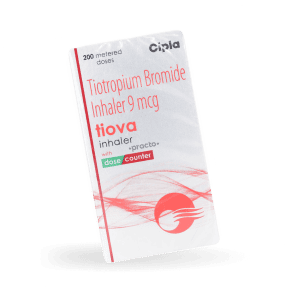
Tiova Inhaler


Tiova Inhaler provides effective relief for respiratory conditions, helping to improve breathing and reduce symptoms. This medication is designed to manage chronic obstructive pulmonary disease (COPD) and other related breathing difficulties. You can conveniently purchase Tiova Inhaler over the counter (OTC) from our online pharmacy, without the need for a prescription. It works by relaxing the muscles in the airways, making it easier to breathe. Choose Tiova Inhaler for a reliable solution to support your respiratory health.
Extra 10% discount with coupon: EXTRA10
Each dosage option has its own packaging options.
Tiova Inhaler A Guide to Managing Respiratory Conditions with Tiotropium Bromide
Tiova Inhaler is a long-acting bronchodilator medication specifically designed to help individuals manage the symptoms of chronic obstructive pulmonary disease (COPD), including chronic bronchitis and emphysema. This vital medication works to open the airways in your lungs, making it easier to breathe and significantly improving your quality of life. For many in the USA living with the daily challenges of COPD, Tiova Inhaler represents a cornerstone in their treatment regimen, providing sustained relief from shortness of breath, wheezing, and chest tightness.
Understanding your medication is a crucial step toward effective self-management of a chronic condition like COPD. This comprehensive guide aims to provide you with detailed information about Tiova Inhaler, from its mechanism of action and proper usage to potential benefits and important considerations. We believe that informed patients are empowered patients, and by providing this in-depth resource, we hope to support your journey towards better respiratory health and an improved capacity to enjoy daily activities.
Understanding Tiova Inhaler and its Role in COPD Management
Tiova Inhaler is a vital tool in the long-term, maintenance treatment of airflow obstruction in patients with chronic obstructive pulmonary disease (COPD), which encompasses chronic bronchitis and emphysema. It is not intended for the relief of acute bronchospasm, meaning it should not be used for sudden, severe breathing problems. Instead, its strength lies in its ability to provide sustained relief, helping to prevent the worsening of COPD symptoms over time.
The active ingredient in Tiova Inhaler is tiotropium bromide, an anticholinergic bronchodilator. This class of medication works by blocking the action of acetylcholine, a natural substance in the body that can cause the muscles around the airways to constrict. By blocking acetylcholine, tiotropium bromide allows the muscles in the airways to relax and open up, making it easier for air to flow in and out of the lungs. This bronchodilating effect is long-lasting, typically providing 24 hours of improved breathing with a single daily dose.
COPD is a progressive lung disease that makes breathing difficult. It is characterized by airflow limitation that is not fully reversible. Chronic bronchitis involves inflammation and narrowing of the airways, leading to persistent coughing and mucus production. Emphysema involves damage to the air sacs (alveoli) in the lungs, which reduces their elasticity and ability to exchange oxygen and carbon dioxide effectively. Both conditions contribute to the characteristic symptoms of COPD, such as shortness of breath, especially during physical activity, wheezing, chest tightness, and a chronic cough.
By using Tiova Inhaler regularly, patients can experience significant improvements in their lung function. This translates to reduced shortness of breath, fewer exacerbations (flare-ups) of COPD symptoms, and an enhanced ability to perform daily activities. The convenience of a once-daily dosing regimen also helps improve adherence to treatment, which is crucial for the long-term management of this chronic condition.
How to Use Tiova Inhaler Correctly
Proper use of your Tiova Inhaler is essential to ensure you receive the full benefit of the medication. The inhaler device is designed to deliver a specific dose of tiotropium bromide powder into your lungs. Familiarizing yourself with the device and following the instructions precisely will help optimize its effectiveness. Always read the patient information leaflet provided with your inhaler for complete, step-by-step instructions, as slight variations may exist between different inhaler types (e.g., HandiHaler, Respimat).
Generally, Tiova Inhaler is administered as one inhalation once daily. It is important to use your inhaler at the same time each day to maintain consistent medication levels in your lungs, regardless of when you experience symptoms. This is a maintenance medication, not a rescue inhaler for sudden breathing difficulties.
- Preparation: If your inhaler is new or hasn’t been used for several days, you may need to prime it according to the instructions to ensure it delivers a full dose.
- Loading the Capsule: Most Tiova Inhaler devices require you to load a capsule containing the powdered medication into a chamber. Ensure your hands are dry before handling the capsule, as moisture can damage it. Close the device firmly.
- Piercing the Capsule: Press the piercing button on the device to puncture the capsule, releasing the powder.
- Inhalation Technique:
- Exhale fully, away from the inhaler, to empty your lungs as much as comfortable.
- Place the mouthpiece of the inhaler between your lips, sealing your lips tightly around it.
- Inhale slowly and deeply through your mouth. You should hear or feel the capsule vibrate as the powder is dispersed.
- Hold your breath for as long as you comfortably can (typically 5-10 seconds) to allow the medication to settle in your lungs.
- Remove the inhaler from your mouth and exhale slowly.
- Repeat (if necessary): Some devices require two inhalations from the same capsule to ensure the full dose is delivered. Always check your specific device instructions.
- Disposal: After use, remove and discard the empty capsule. Do not store capsules in the device.
- Cleaning: Regularly clean your inhaler device as per the instructions to prevent blockages and ensure proper function.
If you miss a dose, take it as soon as you remember. However, do not take two doses at once or within a short period to make up for a missed dose. Return to your regular once-daily schedule. Consistency is key for managing COPD symptoms effectively with Tiova Inhaler.
Benefits and Expected Outcomes of Using Tiova Inhaler
The regular and correct use of Tiova Inhaler offers significant benefits for individuals living with COPD. These benefits extend beyond just easier breathing and contribute to an overall improvement in quality of life.
- Improved Lung Function: By widening the airways, Tiova Inhaler helps to increase the amount of air that can flow into and out of the lungs, leading to measurable improvements in lung function tests.
- Reduced Shortness of Breath: One of the most debilitating symptoms of COPD is dyspnea (shortness of breath). Tiova Inhaler consistently reduces this sensation, allowing individuals to engage in more activities with less discomfort.
- Decreased COPD Exacerbations: Exacerbations are periods of acute worsening of COPD symptoms, often requiring medical intervention. Long-term treatment with tiotropium bromide has been shown to significantly reduce the frequency and severity of these flare-ups, which is a major benefit for patients and healthcare systems in countries like the USA.
- Enhanced Exercise Tolerance: With improved breathing, patients often find they can walk further, perform daily tasks more easily, and participate in gentle physical activities that were previously challenging.
- Improved Quality of Life: By alleviating symptoms and reducing exacerbations, Tiova Inhaler helps patients feel better, more active, and more in control of their condition, leading to a higher overall quality of life.
- Once-Daily Dosing: The convenience of a single daily dose makes it easier for patients to adhere to their treatment plan, ensuring consistent symptom control.
While Tiova Inhaler provides substantial relief, it’s important to remember that COPD is a progressive disease. This medication helps manage symptoms and slow progression, but it does not cure the condition. A comprehensive management plan, which may include pulmonary rehabilitation, lifestyle modifications, and other medications, often yields the best outcomes.
Potential Side Effects and Important Precautions
Like all medications, Tiova Inhaler can cause side effects, although not everyone experiences them. It’s important to be aware of potential side effects and to understand when to seek advice.
Common Side Effects (may affect up to 1 in 10 people):
- Dry mouth: This is the most common side effect and can often be managed by sipping water or sugar-free candies.
- Sore throat (pharyngitis)
- Cough
- Hoarseness (dysphonia)
- Constipation
Less Common Side Effects (may affect up to 1 in 100 people):
- Heartburn (gastroesophageal reflux disease – GERD)
- Difficulty passing urine (urinary retention), especially in men with prostate issues.
- Dizziness
- Blurred vision, glaucoma (increased pressure in the eye)
- Nosebleeds
- Difficulty sleeping (insomnia)
- Rash, itching
- Faster heartbeat (tachycardia)
- Headache
Rare or Serious Side Effects (seek immediate medical attention if you experience these):
- Sudden worsening of breathing problems (paradoxical bronchospasm): If your breathing becomes worse immediately after using your inhaler, stop using it and seek urgent care.
- Allergic reactions: Symptoms may include rash, hives, swelling of the face, lips, tongue, or throat, or difficulty breathing.
- Angle-closure glaucoma: Symptoms include eye pain or discomfort, blurred vision, visual halos or colored images in association with red eyes. If any of these symptoms develop, stop using Tiova Inhaler and seek immediate medical attention.
- Urinary retention: This can be serious, especially in individuals with pre-existing prostate problems.
Important Precautions:
- Not for Acute Relief: Tiova Inhaler is a long-term maintenance treatment and should not be used for sudden attacks of shortness of breath. You should have a separate rescue inhaler (e.g., a short-acting beta-agonist) for acute symptoms.
- Eye Protection: Take care to avoid getting the powder into your eyes, as this can lead to temporary blurred vision, eye pain, or worsening of glaucoma.
- Urinary Problems: Use with caution if you have prostate problems or difficulty passing urine, as tiotropium bromide can worsen these conditions.
- Kidney Function: Patients with severe kidney problems should use this medication with caution.
- Heart Conditions: Individuals with certain heart rhythm problems or severe heart failure should exercise caution when using anticholinergics like tiotropium bromide.
- Pregnancy and Breastfeeding: There is limited information on the use of tiotropium bromide during pregnancy and breastfeeding. It should only be used if the potential benefit justifies the potential risk.
- Driving and Operating Machinery: Dizziness or blurred vision may occur, which could affect your ability to drive or operate machinery safely.
Always keep a record of all medications you are currently using, including over-the-counter products and herbal supplements, and review this regularly to ensure there are no potential interactions.
Storage and Handling of Tiova Inhaler
Proper storage and handling of your Tiova Inhaler will help maintain its effectiveness and ensure its safe use.
- Temperature: Store the Tiova Inhaler and its capsules at room temperature, away from excessive heat and moisture. Do not store it in the bathroom or near a sink.
- Light: Protect from light.
- Out of Reach: Always keep all medications, including Tiova Inhaler, out of the reach of children and pets.
- Expiry Date: Do not use the inhaler or capsules past the expiration date printed on the packaging.
- Capsule Handling: Keep the capsules in their original blister packaging until immediately before use. Do not store them loose or in the device. Discard any capsules that appear damaged or opened.
- Disposal: Dispose of expired or unused medication responsibly. Do not flush medications down the toilet or pour them into a drain unless instructed to do so. Follow local guidelines for medication disposal.
Following these simple storage guidelines ensures that your Tiova Inhaler remains potent and safe for use throughout its shelf life, providing you with reliable relief for your COPD symptoms.
Characteristics of Tiova Inhaler
This table summarizes key characteristics of Tiova Inhaler to provide a quick reference for users.
| Characteristic | Description |
|---|---|
| Drug Name | Tiova Inhaler |
| Active Ingredient | Tiotropium bromide |
| Drug Class | Long-acting Anticholinergic (LAMA) Bronchodilator |
| Primary Use | Long-term, maintenance treatment of COPD (including chronic bronchitis and emphysema) |
| Form | Dry powder for inhalation (delivered via a specific inhaler device) |
| Typical Dosage | One inhalation once daily |
| Mechanism of Action | Blocks acetylcholine receptors in the airways, leading to bronchodilation (relaxation and opening of airways) |
| Onset of Action | Typically within 30 minutes |
| Duration of Action | 24 hours |
Comparison with Popular Analogs
While Tiova Inhaler (tiotropium bromide) is a widely recognized and effective treatment for COPD, several other long-acting bronchodilators are available in the market. Many of these are also anticholinergics or belong to a different class called long-acting beta-agonists (LABAs), or even combinations of both. Understanding the differences can help provide context for Tiova Inhaler‘s place in COPD management. This table compares Tiova Inhaler with some popular analogs available to patients in the USA.
| Product Name | Active Ingredient(s) | Drug Class | Administration Method | Primary Indication | Key Difference/Note |
|---|---|---|---|---|---|
| Tiova Inhaler | Tiotropium bromide | LAMA | Dry Powder Inhaler (DPI) | COPD (Maintenance) | Once-daily dosing, effective bronchodilation. |
| Spiriva HandiHaler | Tiotropium bromide | LAMA | Dry Powder Inhaler (DPI) | COPD (Maintenance), Asthma (Maintenance for some) | Brand-name version of tiotropium bromide, widely used, once-daily. |
| Spiriva Respimat | Tiotropium bromide | LAMA | Soft Mist Inhaler (SMI) | COPD (Maintenance), Asthma (Maintenance for some) | Another brand-name tiotropium, delivered as a slow-moving mist, potentially easier to inhale for some. Once-daily. |
| Incruse Ellipta | Umeclidinium | LAMA | Dry Powder Inhaler (DPI) | COPD (Maintenance) | Once-daily LAMA, different active ingredient but similar mechanism of action to tiotropium. |
| Seebri Neohaler | Glycopyrrolate | LAMA | Dry Powder Inhaler (DPI) | COPD (Maintenance) | LAMA, twice-daily dosing. |
| Tudorza Pressair | Aclidinium bromide | LAMA | Dry Powder Inhaler (DPI) | COPD (Maintenance) | LAMA, twice-daily dosing. Features a “dose indicator” to confirm inhalation. |
| Serevent Diskus | Salmeterol | LABA | Dry Powder Inhaler (DPI) | Asthma (Maintenance), COPD (Maintenance) | Long-acting Beta2-Agonist, works via a different mechanism. Usually twice-daily. Often used in combination with an inhaled corticosteroid. |
This comparison highlights that while many bronchodilators aim to achieve similar outcomes – improved breathing for COPD patients – they may differ in their active ingredients, drug class (LAMA vs. LABA), dosing frequency, and the specific inhaler device used. Tiova Inhaler, with its tiotropium bromide active ingredient and once-daily LAMA action, offers a powerful and convenient option within this landscape of respiratory medications.
Frequently Asked Questions About Tiova Inhaler
Here are some of the most common questions individuals have about Tiova Inhaler.
1. How quickly does Tiova Inhaler start working?
Tiova Inhaler typically begins to open the airways within about 30 minutes after inhalation. The full bronchodilating effect builds up over several days of consistent use. Since it is a maintenance medication, its primary benefit comes from regular, long-term use, providing sustained symptom control rather than immediate relief for acute symptoms.
2. Can Tiova Inhaler be used as a rescue inhaler for sudden shortness of breath?
No, Tiova Inhaler is not a rescue inhaler. It is a long-acting maintenance medication designed to prevent and control COPD symptoms over time. For sudden, acute episodes of shortness of breath or wheezing, you should use a fast-acting rescue inhaler as instructed.
3. What should I do if I miss a dose of Tiova Inhaler?
If you miss a dose, take it as soon as you remember. However, if it’s almost time for your next scheduled dose, skip the missed dose and resume your regular once-daily schedule. Do not take two doses at the same time or extra doses to make up for a missed one. It’s important to maintain a consistent dosing schedule for optimal effectiveness.
4. How do I know if I am using the Tiova Inhaler correctly?
You should feel a dose of powder delivered into your mouth and lungs. With some devices, you may hear or feel the capsule vibrate inside the inhaler as you inhale. If you’re unsure, or if you consistently don’t feel or hear the medication, review the instructions in your patient information leaflet carefully. You can also visually inspect the capsule after inhalation to ensure it appears empty. Consistent proper technique is vital for receiving the correct dose.
5. Is Tiova Inhaler suitable for asthma?
Tiova Inhaler (tiotropium bromide) is primarily indicated for the maintenance treatment of COPD. While tiotropium bromide in a specific delivery system (e.g., Respimat) is approved for asthma in some cases, Tiova Inhaler as a specific product is generally used for COPD. Always refer to the approved indications for the specific product you are using.
6. What are the common side effects of Tiova Inhaler and how can I manage them?
The most common side effect is dry mouth. This can often be managed by sipping water frequently, chewing sugar-free gum, or sucking on sugar-free candies. Other common side effects include sore throat, cough, and hoarseness. If these persist or become bothersome, discuss them. Serious side effects are rare, but if you experience any signs of an allergic reaction or worsening breathing, seek immediate medical attention.
7. How should I clean my Tiova Inhaler device?
The cleaning instructions vary depending on the specific inhaler device. Generally, the mouthpiece and capsule chamber may need to be wiped with a clean, dry cloth or tissue. Some devices might allow for rinsing specific parts. Always refer to the patient information leaflet that comes with your specific Tiova Inhaler for detailed cleaning instructions to ensure the device functions correctly and hygienically.
8. Can I stop using Tiova Inhaler if I feel better?
No, you should not stop using Tiova Inhaler without discussing it first. COPD is a chronic condition, and Tiova Inhaler works to provide continuous management of your symptoms. Even if you feel better, stopping the medication can lead to a return or worsening of your breathing problems and an increased risk of exacerbations. Consistent daily use is key to long-term symptom control.
Real Stories of Relief: Patient Testimonials
Hearing from others who have experienced the benefits of a medication can be reassuring. Here are some positive, fictional testimonials from individuals who have incorporated Tiova Inhaler into their COPD management plan.
“Before Tiova Inhaler, every breath felt like a struggle. I was constantly short of breath, and even simple tasks like walking across the room left me exhausted. After starting Tiova Inhaler, I noticed a gradual but significant improvement. The once-daily dose is so convenient, and now I can enjoy my morning walks again without constantly feeling like I’m gasping for air. It’s truly given me back a piece of my life.” – Eleanor R., 68, Ohio
“Living with COPD meant living with constant worry about when the next flare-up would hit. I tried several medications, but Tiova Inhaler has made the biggest difference. My breathing is steadier, and the nagging cough has significantly lessened. The biggest change for me is feeling more confident and less anxious about my breathing. I’ve even been able to spend more time playing with my grandchildren, which I cherish. It’s a real game-changer.” – Michael P., 72, Florida
| Dosage | 200 MD |
|---|---|
| Package | 2 inhaler, 6 inhaler, 10 inhaler |
| Active Ingredient | Tiotropium |
Be the first to review “Tiova Inhaler”
You must be logged in to post a review.
Related products


Reviews
There are no reviews yet.