


Theo-24 Cr
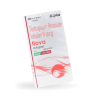

Theo-24 Cr is a sustained-release medication designed to help manage respiratory conditions. This product is available over the counter (OTC), offering convenient access for those seeking relief. It works by relaxing the muscles in the airways, making breathing easier. Theo-24 Cr is formulated for 24-hour symptom control, providing consistent support throughout the day and night. Choose Theo-24 Cr for reliable and accessible respiratory support.
Extra 10% discount with coupon: EXTRA10
Each dosage option has its own packaging options.
Theo-24 Cr Advancing Respiratory Care Understanding Its Pharmacodynamics and Usage
Welcome to a detailed guide on Theo-24 Cr, an important medication utilized in the long-term management of certain chronic respiratory conditions. This comprehensive resource is designed to provide you with in-depth information about this medication, its uses, benefits, and important considerations. Understanding your medication is a crucial step towards effective health management, and we aim to empower you with the knowledge you need.
Theo-24 Cr is a well-established medication formulated to help individuals breathe more easily by providing sustained bronchodilation. Its extended-release formulation means it works over an extended period, offering consistent relief and contributing to better control of symptoms associated with chronic lung diseases. In the United States, it plays a vital role for many patients in their daily respiratory care regimen.
Understanding Theo-24 Cr: What It Is and How It Works
Theo-24 Cr is an extended-release oral medication containing theophylline, a bronchodilator belonging to the xanthine class of drugs. It is primarily used to prevent and treat symptoms of asthma and other chronic lung diseases, such as emphysema and chronic bronchitis, which collectively fall under the umbrella of Chronic Obstructive Pulmonary Disease (COPD). The “Cr” in its name signifies “Controlled Release,” indicating its specialized formulation designed to release the active ingredient slowly and steadily over 24 hours.
The mechanism of action of theophylline involves several pathways that lead to relaxation of the smooth muscles in the airways of the lungs. This relaxation causes the airways to widen, making it easier to breathe. Specifically, theophylline is thought to work by inhibiting phosphodiesterase enzymes, which leads to an increase in cyclic adenosine monophosphate (cAMP) within the smooth muscle cells. Elevated cAMP levels promote bronchodilation. Additionally, theophylline may have anti-inflammatory effects and can improve diaphragmatic contractility, further aiding in respiratory function.
By providing a continuous level of theophylline in the bloodstream, Theo-24 Cr helps to prevent the bronchospasm (tightening of the airways) that can lead to shortness of breath, wheezing, and coughing. This sustained action is particularly beneficial for managing nocturnal symptoms or for individuals who experience persistent respiratory difficulties throughout the day. Its long-acting nature means it can often be taken once daily, simplifying treatment regimens and potentially improving adherence for patients in the USA and globally.
Indications for Use
Theo-24 Cr is indicated for the following conditions:
- Asthma: For the treatment of reversible airway obstruction due to asthma, particularly for the maintenance treatment of chronic asthma where other treatments may not be sufficient or well-tolerated. It helps in controlling both day-time and night-time symptoms.
- Chronic Obstructive Pulmonary Disease (COPD): Including chronic bronchitis and emphysema, where it is used to prevent and relieve bronchospasm and associated symptoms like shortness of breath and wheezing.
It is important to understand that Theo-24 Cr is a maintenance medication and is not intended for the rapid relief of acute asthma attacks or severe bronchospasm. For sudden, severe breathing problems, a fast-acting rescue inhaler is typically required.
Dosage and Administration
The dosing of Theo-24 Cr is highly individualized due to significant variations in how different people metabolize theophylline. Factors such as age, smoking status, liver function, heart function, and concomitant medications can all influence the appropriate dose. The goal is to achieve a therapeutic blood level of theophylline that provides optimal symptom control with minimal side effects.
Theo-24 Cr is typically taken once daily, preferably at the same time each day, to maintain consistent blood levels. It can be taken with or without food, but consistency is key. The tablets should be swallowed whole and not chewed, crushed, or divided, as this can disrupt the extended-release mechanism and lead to a rapid release of the drug, potentially causing adverse effects. For certain individuals, a twice-daily regimen may be prescribed if better symptom control or tolerance is achieved with divided doses.
Initial dosing often starts low and is gradually increased based on the patient’s response and tolerance. Regular monitoring of theophylline blood levels is often performed to ensure the dose is within the therapeutic range and to minimize the risk of toxicity. This personalized approach helps to optimize the treatment outcome for each individual.
Important Safety Information and Potential Side Effects
While Theo-24 Cr can be highly effective, it is crucial to be aware of its safety profile and potential side effects. Theophylline has a narrow therapeutic index, meaning the difference between an effective dose and a potentially toxic dose is small. This underscores the importance of careful dosing and monitoring.
Common Side Effects
Some of the more common side effects associated with theophylline, especially at the beginning of treatment or with higher doses, include:
- Nausea, vomiting, stomach upset
- Headache
- Insomnia, restlessness, irritability
- Tremor, jitters
- Increased urination
- Palpitations, fast heart rate
Many of these side effects are dose-related and may subside as the body adjusts to the medication or if the dosage is lowered.
Serious Side Effects
More serious side effects, although less common, can occur, particularly if theophylline levels become too high. These include:
- Cardiac arrhythmias (irregular heartbeats), including life-threatening ones
- Seizures
- Severe gastrointestinal distress, including bleeding
- Hypotension (low blood pressure)
- Rhabdomyolysis (muscle breakdown)
If any of these serious side effects occur, immediate medical attention is necessary. It is important to be vigilant for any unusual or severe symptoms while taking Theo-24 Cr.
Contraindications and Warnings
Theo-24 Cr may not be suitable for everyone. It is generally contraindicated in individuals with a known hypersensitivity to theophylline or other xanthine derivatives. Caution should be exercised in patients with certain medical conditions, including:
- Severe heart conditions (e.g., angina pectoris, severe hypertension, acute myocardial infarction)
- Seizure disorders
- Peptic ulcer disease
- Hyperthyroidism (overactive thyroid)
- Liver or kidney impairment
- Gastroesophageal reflux disease (GERD)
Additionally, certain factors can alter theophylline metabolism, potentially leading to increased blood levels and a higher risk of toxicity. These include fever, viral infections, and changes in smoking status (smoking increases theophylline clearance, so stopping smoking can lead to higher levels if the dose is not adjusted).
Drug Interactions
Theophylline interacts with a wide array of medications, which can either increase or decrease its blood levels, thereby affecting its efficacy or increasing the risk of toxicity. Some notable interactions include:
- Increased theophylline levels: Cimetidine, erythromycin, clarithromycin, ciprofloxacin, fluvoxamine, oral contraceptives, propranolol, influenza vaccine, disulfiram, allopurinol (at doses greater than 600 mg/day).
- Decreased theophylline levels: Phenobarbital, phenytoin, carbamazepine, rifampin, ritonavir, charcoal-broiled foods, and tobacco or marijuana smoking.
It is crucial to inform your healthcare provider about all medications you are taking, including over-the-counter drugs, herbal supplements, and vitamins, to identify and manage potential drug interactions.
Characteristics of Theo-24 Cr
Below is a table summarizing key characteristics of Theo-24 Cr:
| Characteristic | Description |
|---|---|
| Active Ingredient | Theophylline |
| Drug Class | Xanthine bronchodilator |
| Formulation | Extended-release oral tablet |
| Primary Use | Maintenance treatment of asthma and COPD (chronic bronchitis, emphysema) |
| Mechanism of Action | Bronchodilation by relaxing airway smooth muscles, potential anti-inflammatory effects |
| Dosage Frequency | Typically once daily (some regimens may be twice daily) |
| Onset of Action | Slow, designed for sustained effect rather than immediate relief |
| Duration of Action | Approximately 24 hours due to controlled release |
Comparison with Popular Analogs and Related Medications
While Theo-24 Cr provides a specific approach to bronchodilation, it exists within a broader landscape of medications used for asthma and COPD. Below, we compare Theo-24 Cr with other formulations of theophylline and a related xanthine derivative.
| Drug Name | Active Ingredient | Formulation | Typical Dosing Frequency | Key Differences / Considerations |
|---|---|---|---|---|
| Theo-24 Cr | Theophylline | Extended-release tablet | Once daily | Designed for 24-hour symptom control with once-daily dosing. Consistent blood levels. |
| Theochron | Theophylline | Extended-release tablet | Once or twice daily | Another brand of extended-release theophylline. Similar efficacy profile to Theo-24 Cr, depending on individual patient metabolism and brand-specific release characteristics. |
| Slo-bid Gyrocaps | Theophylline | Extended-release capsule | Twice daily | Capsule formulation that can sometimes be opened and sprinkled on soft food (check specific product instructions). Typically requires twice-daily dosing. |
| Aminophylline | Aminophylline (a salt of theophylline) | Oral tablet, IV injection | Varies (often 3-4 times daily for oral, continuous infusion for IV) | Aminophylline is 80% theophylline by weight. Often used intravenously for acute exacerbations. Oral aminophylline is less common for chronic use than extended-release theophylline due to shorter half-life and more frequent dosing. |
It’s important to note that while these medications share the same active compound or a close derivative, their formulations and dosing schedules can significantly impact patient experience and adherence. The development of extended-release forms like Theo-24 Cr has aimed to improve convenience and reduce fluctuations in blood levels, which can minimize side effects while maintaining therapeutic efficacy.
Living with Theo-24 Cr: Patient Information
Using Theo-24 Cr effectively involves more than just taking the pill. It requires understanding how it fits into your overall health management plan. Here are some tips for patients:
- Consistent Dosing: Take your medication at the same time each day to maintain stable blood levels and maximize its effectiveness.
- Swallow Whole: Always swallow the tablets whole. Do not chew, crush, or break them, as this can lead to a rapid release of the drug and potential side effects.
- Monitor Symptoms: Keep a record of your breathing symptoms, including any changes in frequency or severity. This information is valuable for your healthcare provider to assess the effectiveness of your treatment.
- Be Aware of Interactions: Inform your healthcare provider about any new medications, supplements, or dietary changes. Even changes in coffee consumption or smoking habits can affect theophylline levels.
- Emergency Plan: Understand that Theo-24 Cr is for maintenance. Always have a fast-acting rescue inhaler readily available for sudden breathing difficulties.
- Hydration: Maintaining good hydration can sometimes help with mucociliary clearance in the airways, though this is a general health tip, not specific to theophylline action.
- Dietary Considerations: Large amounts of charcoal-broiled foods can affect theophylline levels. Discuss any significant dietary changes with your healthcare provider.
Regular communication with your healthcare team is paramount to ensuring your treatment plan with Theo-24 Cr remains appropriate and effective for your evolving needs. They can provide personalized advice and make necessary adjustments based on your response and any changes in your health status.
Overdose Information
An overdose of theophylline can be serious and potentially life-threatening due to its narrow therapeutic index. Symptoms of theophylline toxicity can vary depending on the severity of the overdose and individual sensitivity. Mild to moderate overdose symptoms may include:
- Severe nausea and vomiting
- Persistent headache
- Restlessness, agitation, irritability
- Tremors
- Palpitations, tachycardia (fast heart rate)
- Hypotension (low blood pressure)
In more severe cases, especially with very high theophylline levels, symptoms can progress to:
- Cardiac arrhythmias (irregular heartbeats), including ventricular fibrillation
- Seizures, which can be generalized and prolonged
- Rhabdomyolysis (breakdown of muscle tissue)
- Coma
If you suspect an overdose, seek emergency medical attention immediately. Do not wait for symptoms to worsen. Provide medical personnel with as much information as possible about the medication taken, the dosage, and when it was taken.
Storage Information
Proper storage of Theo-24 Cr is essential to maintain its efficacy and safety. Store the medication at room temperature, ideally between 68°F and 77°F (20°C and 25°C). Keep it in a tightly closed container, away from direct light, heat, and moisture. Do not store it in the bathroom. Keep all medications out of the reach of children and pets. Do not use the medication if the expiration date printed on the packaging has passed.
Frequently Asked Questions About Theo-24 Cr
Here are some of the most common questions patients and caregivers have about Theo-24 Cr:
1. How quickly does Theo-24 Cr start working?
Theo-24 Cr is an extended-release medication designed for sustained effects over 24 hours. It does not provide immediate relief for acute symptoms. It typically takes a few days to a week to build up to stable therapeutic levels in the blood and for you to notice its full preventative effects on breathing difficulties. For quick relief of sudden breathing problems, you should use a fast-acting rescue inhaler.
2. Can I take Theo-24 Cr with food?
Yes, Theo-24 Cr can generally be taken with or without food. However, it’s recommended to take it consistently, either always with food or always without, to maintain consistent absorption and blood levels. Avoid significant changes in dietary habits, especially consumption of charcoal-broiled foods, as they can affect theophylline metabolism.
3. What should I do if I miss a dose?
If you miss a dose of Theo-24 Cr, take it as soon as you remember. However, if it is almost time for your next scheduled dose, skip the missed dose and resume your regular dosing schedule. Do not double up on doses to make up for a missed one, as this can increase the risk of side effects and toxicity.
4. Can Theo-24 Cr be used in conjunction with other asthma or COPD medications?
Yes, Theo-24 Cr can often be part of a comprehensive treatment plan that includes other medications, such as inhaled corticosteroids, long-acting beta-agonists, or anticholinergics. However, combining medications requires careful consideration and monitoring for potential interactions or additive side effects. Always discuss your full medication regimen with your healthcare provider.
5. Why is blood monitoring necessary for Theo-24 Cr?
Blood monitoring of theophylline levels is essential because theophylline has a narrow therapeutic range. This means there’s a fine line between a dose that is effective and one that could cause side effects or toxicity. Monitoring helps ensure that your dose is optimized to provide the maximum benefit with the lowest risk of adverse events. Many factors can influence theophylline blood levels, making individualized monitoring critical.
6. Are there any activities I should avoid while taking Theo-24 Cr?
While taking Theo-24 Cr, it’s generally recommended to avoid excessive consumption of caffeine-containing products (like coffee, tea, certain sodas, and energy drinks) as caffeine is also a xanthine derivative and can amplify the stimulant effects and potential side effects of theophylline, such as nervousness or increased heart rate. You should also be cautious with activities that require extreme mental alertness if you experience dizziness or tremors.
7. How long will I need to take Theo-24 Cr?
The duration of treatment with Theo-24 Cr depends on the chronic nature of your condition (asthma or COPD) and your individual response. For many individuals, it is a long-term maintenance medication. Your healthcare provider will regularly assess your condition and the effectiveness of the treatment to determine the appropriate duration and dosage.
Customer Reviews
Below are a couple of fictional positive reviews from individuals who have incorporated Theo-24 Cr into their treatment regimen:
“For years, my COPD made my nights a struggle. I’d wake up coughing, wheezing, and gasping for air, often needing my rescue inhaler multiple times. My doctor suggested Theo-24 Cr, and it has genuinely been a game-changer. Taking just one pill at night, I now experience such consistent relief. I sleep through the night without interruption, and even my daytime breathing feels significantly improved. It took a little while to find the right dose, but the effort was absolutely worth it. I feel more rested, energetic, and overall, my quality of life has soared. I can finally enjoy walks with my grandkids again without constant worry.”
“I’ve had chronic asthma since childhood, and while inhalers helped, I always felt there was an underlying tightness, especially during seasonal changes or when doing light exercise. My doctor introduced me to Theo-24 Cr as an add-on therapy, and I’m so glad we tried it. The once-daily dosing is incredibly convenient, and I’ve noticed a remarkable difference in my lung capacity and overall ease of breathing. That persistent ‘heavy chest’ feeling has largely disappeared. I feel a greater sense of control over my asthma, and it has allowed me to participate more actively in life without constant fear of an exacerbation. It’s a foundational part of my daily routine now.”
Conclusion
Theo-24 Cr represents a valuable therapeutic option for the long-term management of asthma and Chronic Obstructive Pulmonary Disease. Its extended-release formulation provides consistent bronchodilation, helping to reduce symptoms such as wheezing, shortness of breath, and coughing, thereby significantly improving the quality of life for many patients. While it requires careful dosing and monitoring due to its narrow therapeutic index, its established efficacy and once-daily convenience make it an important tool in respiratory care. Understanding its mechanism, proper use, and potential considerations is key to maximizing its benefits and ensuring safe treatment outcomes.
| Dosage | 400mg |
|---|---|
| Package | 120 pills, 180 pills, 270 pills, 360 pills |
| Active Ingredient | Theophylline |
Be the first to review “Theo-24 Cr”
You must be logged in to post a review.
Related products


Reviews
There are no reviews yet.