


Albuterol inhaler

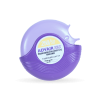
The Albuterol inhaler provides fast and effective relief from bronchospasm associated with asthma and other respiratory conditions. This medication helps to relax the muscles in the airways, making breathing easier. As an over the counter (OTC) product, it is readily available to help manage your respiratory symptoms. You can purchase this Albuterol inhaler without a prescription. Experience quick relief and improved breathing with this essential respiratory aid.
Extra 10% discount with coupon: EXTRA10
Each dosage option has its own packaging options.
Albuterol Inhalers How They Work to Open Airways and Improve Breathing
The Albuterol inhaler stands as a cornerstone in the management of various respiratory conditions, offering rapid and effective relief for individuals experiencing breathing difficulties. This vital medication is a bronchodilator, designed to open the airways in the lungs, making it easier to breathe. For millions across the United States and beyond, an Albuterol inhaler is an indispensable tool, providing comfort and confidence by quickly addressing acute symptoms of asthma and chronic obstructive pulmonary disease (COPD). Understanding how this powerful medication works, its proper use, and what to expect is crucial for maximizing its benefits and ensuring respiratory well-being.
Living with conditions like asthma or COPD can present daily challenges, from unexpected shortness of breath to exercise-induced limitations. The availability of a fast-acting rescue inhaler like Albuterol inhaler transforms these challenges, empowering users to regain control over their breathing when symptoms flare up. This comprehensive guide aims to equip you with detailed, easy-to-understand information about Albuterol inhaler, covering everything from its mechanism of action to practical usage tips, potential side effects, and comparisons with other treatments. Our goal is to ensure you have all the necessary knowledge to confidently manage your respiratory health with this essential medication.
Understanding Albuterol Inhaler: A Vital Tool for Breathing Comfort
The Albuterol inhaler is a widely recognized and frequently prescribed medication known for its ability to provide rapid relief from symptoms such as wheezing, shortness of breath, chest tightness, and coughing. These symptoms are commonly associated with asthma and chronic obstructive pulmonary disease (COPD), including emphysema and chronic bronchitis. At its core, the Albuterol inhaler delivers a potent bronchodilator directly into the lungs, targeting the smooth muscles surrounding the airways. This direct delivery system ensures that the medication reaches the affected areas quickly, promoting swift relief.
The active ingredient in this life-saving device is albuterol sulfate. Albuterol belongs to a class of drugs known as short-acting beta-agonists (SABAs). These medications work by stimulating beta-2 adrenergic receptors found primarily in the smooth muscle cells of the airways. When these receptors are activated, they trigger a cascade of events that lead to the relaxation of the smooth muscles, causing the airways to widen or dilate. This process, known as bronchodilation, significantly reduces airway resistance and improves the flow of air into and out of the lungs. For someone experiencing an asthma attack or an exacerbation of COPD, the difference in breathing can be felt within minutes of administration.
Historically, albuterol has been a mainstay in respiratory medicine due to its rapid onset of action and relatively short duration of effect, typically lasting 4 to 6 hours. This makes it ideal for “rescue” situations, where immediate symptom relief is necessary. It is not intended for long-term control or prevention of symptoms, which typically requires different classes of medications. Instead, its role is to quickly alleviate acute symptoms, prevent exercise-induced bronchospasm, and provide temporary relief during periods of increased respiratory distress. The design of the inhaler, often a metered-dose inhaler (MDI) or a nebulizer solution, allows for precise dosing and effective delivery, making it a reliable choice for acute respiratory episodes.
How Albuterol Works to Relieve Respiratory Distress
To fully appreciate the efficacy of the Albuterol inhaler, it’s helpful to delve deeper into its pharmacological action. When albuterol is inhaled, it travels directly to the bronchial tubes within the lungs. There, it selectively binds to beta-2 adrenergic receptors located on the surface of the smooth muscle cells that line the airways. These receptors are part of the sympathetic nervous system, which plays a crucial role in regulating various bodily functions, including respiration. Unlike some other medications that might affect various beta receptors throughout the body, albuterol is largely selective for the beta-2 receptors in the lungs, minimizing systemic side effects.
Upon binding, albuterol initiates a cellular response that ultimately leads to increased levels of cyclic adenosine monophosphate (cAMP) within the smooth muscle cells. Elevated cAMP levels have a direct effect on the muscle fibers, causing them to relax. This relaxation effectively reverses the bronchospasm, or tightening of the airways, that is characteristic of asthma attacks and COPD exacerbations. As the smooth muscles relax, the constricted airways widen, allowing air to flow more freely. This physiological change reduces the sensation of breathlessness, diminishes wheezing, and alleviates chest tightness, restoring a more normal breathing pattern.
The rapid action of albuterol is one of its most valuable attributes. Users typically experience relief within 5 to 15 minutes after inhalation, with the peak effect usually occurring within 30 to 60 minutes. This quick onset is critical during an acute respiratory crisis, providing comfort and preventing further escalation of symptoms. The effects generally last for approximately 4 to 6 hours, after which the medication’s concentration in the airways decreases, and its bronchodilating effect subsides. This predictable duration of action allows individuals to plan their use effectively, particularly when preparing for activities known to trigger symptoms, such as exercise.
Primary Indications: When to Use Albuterol Inhaler
The primary role of the Albuterol inhaler is to provide quick relief from acute respiratory symptoms. It is specifically approved and highly effective for several key indications:
- Treatment of Acute Bronchospasm: This is the most common use. When individuals with asthma experience an asthma attack, their airways constrict suddenly, leading to severe difficulty breathing, wheezing, and coughing. The Albuterol inhaler acts rapidly to relax these constricted airways, providing fast and significant relief. It is crucial for managing these unpredictable and potentially dangerous episodes.
- Prevention of Exercise-Induced Bronchospasm (EIB): Many individuals, particularly those with asthma, experience airway narrowing and difficulty breathing when engaging in physical activity. This condition, known as exercise-induced bronchospasm, can significantly limit participation in sports and other active pursuits. The Albuterol inhaler can be used approximately 15 to 30 minutes before exercise to prevent the onset of EIB, allowing individuals to participate in physical activities with greater comfort and fewer respiratory symptoms. Its preventative application offers a significant quality of life improvement for many.
- Management of Chronic Obstructive Pulmonary Disease (COPD): For individuals living with COPD, including conditions like emphysema and chronic bronchitis, the Albuterol inhaler serves as an essential rescue medication. COPD is characterized by persistent airflow limitation, and while long-acting bronchodilators are often used for daily maintenance, albuterol is invaluable for managing acute exacerbations or sudden worsening of symptoms. During these episodes, patients often experience increased shortness of breath, coughing, and sputum production. The Albuterol inhaler helps to quickly open the airways, providing symptomatic relief and improving breathing during these challenging times. Its role in COPD management underscores its versatility and importance beyond just asthma.
In all these scenarios, the Albuterol inhaler acts as a short-term solution to relieve immediate symptoms. It is not designed to replace daily maintenance medications that control inflammation or provide sustained bronchodilation. Instead, it complements these treatments, serving as a critical safety net for unexpected symptom flares or as a preventative measure for specific triggers. Its quick-relief nature makes it an indispensable component of respiratory management plans across the United States.
Guidance for Using Your Albuterol Inhaler Effectively
Proper technique is paramount to ensuring that you receive the full therapeutic benefit from your Albuterol inhaler. Incorrect use can lead to less medication reaching your lungs and, consequently, less effective symptom relief. Always ensure you are familiar with the specific instructions provided with your inhaler, as techniques can vary slightly between different brands and devices.
For a metered-dose inhaler (MDI), the general steps are as follows:
- Prepare the Inhaler: If it’s a new inhaler or if it hasn’t been used for several days, it may need to be “primed.” This typically involves shaking the inhaler well and then releasing a few test sprays into the air until a fine mist appears. Always check the specific priming instructions for your device.
- Shake Well: Before each use, shake the inhaler vigorously for 5 to 10 seconds. This ensures that the medication is evenly mixed and ready for delivery.
- Exhale Fully: Breathe out completely through your mouth, emptying your lungs as much as comfortable. This prepares your lungs to take in a deep breath of medication.
- Position the Inhaler: Hold the inhaler upright. Place the mouthpiece into your mouth, sealing your lips tightly around it. Some individuals find it helpful to hold the inhaler about one or two inches away from an open mouth, but direct placement is often preferred for optimal delivery. If using a spacer device (recommended for many, especially children and those with coordination difficulties), attach the inhaler to the spacer and follow the spacer’s instructions.
- Inhale and Actuate: As you begin to slowly and deeply inhale through your mouth, firmly press down on the canister once to release a puff of medication. Continue to inhale deeply and steadily. The coordination of pressing and inhaling is crucial for effective delivery.
- Hold Your Breath: After inhaling, remove the inhaler from your mouth and hold your breath for about 5 to 10 seconds, or as long as comfortable. This allows the medication to settle deep into your airways.
- Exhale Slowly: Exhale slowly through your mouth.
- Wait for Additional Puffs: If you need another puff, wait at least 1 minute before repeating steps 2 through 7. This waiting period allows the first puff to begin opening the airways, potentially allowing the second puff to penetrate even deeper.
- Clean Your Inhaler: Regularly clean the mouthpiece of your inhaler according to the manufacturer’s instructions to prevent blockage and ensure proper hygiene.
The frequency of use for Albuterol inhaler depends entirely on your specific condition and how it is being managed. For acute symptoms, it is used as needed. For exercise-induced bronchospasm, it is used preventatively before activity. It is important to adhere to the recommended dosing guidelines and never exceed the prescribed number of puffs without appropriate guidance. Overuse can lead to increased side effects and may indicate that your underlying respiratory condition is not well-controlled, requiring a re-evaluation of your treatment plan.
Potential Side Effects and Important Safety Considerations
While the Albuterol inhaler is a highly effective and generally safe medication for respiratory relief, like all drugs, it can cause side effects. Understanding these potential effects and important safety considerations is crucial for its responsible use. Most side effects are mild and temporary, often diminishing as your body adjusts to the medication.
Common side effects may include:
- Tremors: A slight shaking, particularly in the hands, is a common experience, especially with higher doses.
- Nervousness or Restlessness: Some individuals may feel agitated or anxious due to the stimulant effect.
- Headache: A mild headache can occur in some users.
- Dizziness: A feeling of lightheadedness or unsteadiness.
- Throat Irritation or Cough: Direct inhalation can sometimes irritate the throat or trigger a cough.
- Palpitations or Increased Heart Rate: Albuterol can cause a temporary increase in heart rate or a feeling of your heart pounding.
- Muscle Cramps: Less common, but some users may experience muscle aches or cramps.
More serious, though rare, side effects that warrant immediate attention include:
- Paradoxical Bronchospasm: In rare cases, the inhaler can cause a worsening of wheezing and breathing difficulty immediately after use. If this occurs, discontinue use and seek immediate help.
- Severe Allergic Reactions: Signs of a severe allergic reaction (e.g., rash, itching/swelling, severe dizziness, trouble breathing) are extremely rare but require emergency medical attention.
- Significant Cardiovascular Effects: While uncommon, serious heart problems such as irregular heartbeats or chest pain can occur, particularly in individuals with pre-existing heart conditions.
Important Safety Information and Precautions:
- Not for Long-Term Control: It is critical to remember that the Albuterol inhaler is a rescue medication, not a long-term controller. It provides quick relief but does not address the underlying inflammation in conditions like asthma. Relying solely on albuterol for daily control can indicate that your condition is not adequately managed, and a re-evaluation of your treatment strategy may be necessary. Increased use of your rescue inhaler (e.g., more than twice a week for symptoms, not including prevention of EIB) is a sign of poorly controlled asthma.
- Drug Interactions: Albuterol can interact with certain medications. It is important to be aware of potential interactions with beta-blockers (which can counteract albuterol‘s effects), diuretics (which can lower potassium levels), monoamine oxidase inhibitors (MAOIs), and tricyclic antidepressants (TCAs), as these can increase the risk of cardiovascular side effects. Always ensure that any healthcare provider is aware of all medications you are currently taking.
- Pre-existing Conditions: Individuals with certain medical conditions should use Albuterol inhaler with caution. These include heart conditions (such as coronary artery disease, heart rhythm disorders), high blood pressure (hypertension), diabetes (as it can temporarily increase blood sugar levels), thyroid problems (hyperthyroidism), and seizure disorders. These conditions may be exacerbated by the stimulant effects of albuterol.
- Hypokalemia: Albuterol can cause a decrease in blood potassium levels (hypokalemia), which can be serious and affect heart function.
- Proper Storage: Store your Albuterol inhaler at room temperature, away from direct heat or cold. The canister is pressurized, so do not puncture or incinerate it, even if empty.
By understanding these aspects, individuals can use their Albuterol inhaler safely and effectively, maximizing its benefits while minimizing potential risks. Adhering to guidelines for use is essential for optimal respiratory health.
| Characteristic | Description |
|---|---|
| Active Ingredient | Albuterol Sulfate |
| Drug Class | Short-Acting Beta-Agonist (SABA) / Bronchodilator |
| Primary Use | Rapid relief of bronchospasm associated with asthma and COPD; prevention of exercise-induced bronchospasm. |
| Formulation | Metered-Dose Inhaler (MDI), also available as nebulizer solution. |
| Onset of Action | Typically within 5-15 minutes after inhalation. |
| Duration of Action | Approximately 4-6 hours. |
| Mechanism | Relaxes smooth muscles in the airways by stimulating beta-2 adrenergic receptors, leading to bronchodilation. |
| Drug Name (Common Brand) | Active Ingredient | Drug Class | Onset of Action | Duration of Action | Key Differences / Notes |
|---|---|---|---|---|---|
| Albuterol Inhaler (Ventolin HFA, ProAir HFA, Proventil HFA) | Albuterol | SABA | 5-15 minutes | 4-6 hours | Most widely used rescue inhaler in the USA. Excellent for quick relief of acute bronchospasm and EIB prevention. Generally well-tolerated. |
| Xopenex HFA | Levalbuterol | SABA | 10-17 minutes | 5-8 hours | Isomeric form of albuterol. May cause fewer side effects like tremor or increased heart rate in some individuals due to less activity on beta-1 receptors. Slightly longer duration of action than albuterol for some. |
| Atrovent HFA | Ipratropium Bromide | Short-Acting Muscarinic Antagonist (SAMA) | 15-30 minutes | 4-6 hours | Another rescue bronchodilator, often used for COPD, particularly when SABAs are not well-tolerated or provide insufficient relief. Works via a different mechanism (anticholinergic). Slower onset than albuterol. |
| Symbicort (Combination) | Budesonide / Formoterol | Corticosteroid / Long-Acting Beta-Agonist (LABA) | ~15 minutes (Formoterol) | ~12 hours (Formoterol) | A maintenance inhaler, not a primary rescue inhaler. Contains a long-acting bronchodilator for sustained relief and a corticosteroid to reduce inflammation. Some national guidelines allow its use as a reliever, but it’s fundamentally different from albuterol. |
Frequently Asked Questions About Albuterol Inhaler
Here are some of the most popular questions asked about the Albuterol inhaler, providing clarity on its use and effectiveness:
1. How quickly does Albuterol inhaler work to relieve symptoms?
The Albuterol inhaler is known for its rapid action. Most individuals begin to feel relief from wheezing, shortness of breath, and chest tightness within 5 to 15 minutes after inhaling the medication. The peak effect is typically reached within 30 to 60 minutes, and the bronchodilating effects usually last for about 4 to 6 hours.
2. Can I use my Albuterol inhaler more often than directed if my symptoms are severe?
It is important to follow the recommended dosing instructions. Using your Albuterol inhaler more often than directed, or finding that you need to use it more frequently than usual, can be a sign that your respiratory condition is not well-controlled. Increased use may also heighten the risk of side effects. If you find yourself needing to use your rescue inhaler more often, it is important to reassess your overall treatment strategy.
3. What is the difference between an Albuterol inhaler and a nebulizer solution?
Both an Albuterol inhaler (metered-dose inhaler or MDI) and albuterol nebulizer solutions deliver the same active ingredient, albuterol, into the lungs. The key difference lies in the delivery method. An MDI delivers a measured puff of medication that requires coordination between pressing the canister and inhaling. A nebulizer transforms the liquid medication into a fine mist that is inhaled slowly over several minutes using a mask or mouthpiece, which can be easier for some, such as young children or those with severe breathing difficulties.
4. Is it normal to feel shaky or have a fast heart rate after using Albuterol inhaler?
Yes, feeling shaky (tremors) or experiencing a temporary increase in heart rate (palpitations) are common side effects of albuterol. These effects usually subside within a short period as the medication begins to wear off. While generally not harmful, if these side effects are severe or persistent, or if you experience chest pain, it’s advisable to seek guidance.
5. Can Albuterol inhaler be used by children?
Yes, Albuterol inhaler is commonly used in children for the treatment and prevention of asthma symptoms, including exercise-induced bronchospasm. The dosing and administration technique may be adjusted for pediatric patients, often recommending the use of a spacer device to improve drug delivery and ease of use. It is always important to ensure correct usage instructions are followed for children.
6. How do I know when my Albuterol inhaler is empty?
Most modern Albuterol inhaler devices come with a dose counter that visually indicates the number of remaining puffs. It’s crucial to pay attention to this counter and replace your inhaler before it runs out. Relying on methods like floating the canister in water can be inaccurate and is not recommended.
7. Can I use Albuterol inhaler for a cough that is not related to asthma or COPD?
The Albuterol inhaler is specifically designed to open airways constricted by bronchospasm associated with asthma or COPD. It is generally not effective for coughs caused by other conditions, such as the common cold, allergies without bronchospasm, or post-nasal drip. Using it for unapproved purposes will likely not provide relief and could lead to unnecessary side effects.
8. What should I do if my Albuterol inhaler doesn’t seem to be working as well as usual?
If you find that your Albuterol inhaler is not providing the usual level of relief, or if your symptoms are worsening despite its use, this could indicate a deterioration of your underlying respiratory condition. It is important to address this concern. It could mean your condition requires a different approach or an adjustment to your overall treatment plan.
Customer Reviews
“As someone living with asthma in the heart of the USA, my Albuterol inhaler is absolutely essential. I’ve had asthma for years, and this product consistently provides quick relief when I need it most. Whether it’s a sudden asthma flare-up or preventing symptoms before a run, it works almost instantly. The peace of mind knowing I have this reliable medication with me at all times is invaluable. Highly recommend for anyone needing fast and effective breathing relief.” – Sarah J., Miami, FL
“My husband has chronic bronchitis, a form of COPD, and his Albuterol inhaler has made a tremendous difference in his quality of life. He keeps one with him always, and it helps him manage those sudden bouts of shortness of breath that used to leave him feeling so helpless. It’s easy to use and provides relief within minutes, allowing him to breathe easier and participate more fully in daily activities. We’re very grateful for how effective it is.” – Robert L., Denver, CO
The Albuterol inhaler remains a critically important medication for individuals managing asthma and COPD. Its ability to quickly open constricted airways provides essential relief from distressing symptoms, enabling better respiratory function and improved quality of life. By understanding its mechanism, adhering to proper usage guidelines, and being aware of potential side effects, you can confidently integrate this powerful tool into your respiratory care regimen. Always remember that while Albuterol inhaler is excellent for immediate relief, it is one part of a comprehensive strategy for maintaining long-term respiratory health.
| Dosage | 100 mcg |
|---|---|
| Package | 5 inhaler, 10 inhaler |
| Active Ingredient | Salbutamol |
Be the first to review “Albuterol inhaler”
You must be logged in to post a review.
Related products




Reviews
There are no reviews yet.