


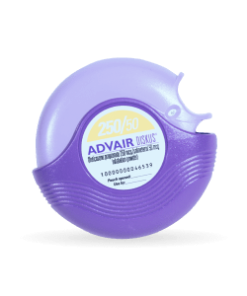
Asthalin Inhaler


Asthalin Inhaler provides fast and effective relief for breathing difficulties associated with asthma. This trusted medication helps to open airways, making it easier to breathe. You can conveniently purchase Asthalin Inhaler over the counter (OTC) from our online store without a prescription. It’s a reliable choice for managing asthma symptoms and improving respiratory comfort. Choose Asthalin Inhaler for quick and accessible relief when you need it most.
Extra 10% discount with coupon: EXTRA10
Each dosage option has its own packaging options.
Understanding Asthalin Inhaler a Guide to Its Role in Respiratory Health Management
Living with respiratory conditions like asthma or chronic obstructive pulmonary disease (COPD) can present daily challenges, impacting your ability to breathe freely and enjoy everyday activities. Finding effective and reliable relief is paramount to maintaining a good quality of life. The Asthalin Inhaler is a well-established and trusted bronchodilator designed to provide rapid and effective relief from symptoms such as wheezing, shortness of breath, chest tightness, and coughing.
This comprehensive guide aims to provide you with all the essential information about the Asthalin Inhaler, helping you understand its benefits, proper usage, potential considerations, and how it can be an integral part of your respiratory management plan. We delve into its mechanism of action, practical administration techniques, and what you can expect when incorporating it into your routine, ensuring you have a clear and informed perspective on this important medication.
Understanding Asthalin Inhaler: A Closer Look
The Asthalin Inhaler is a metered-dose inhaler (MDI) that delivers the active ingredient salbutamol (also known as albuterol in the United States) directly to your airways. Salbutamol is a short-acting beta-2 agonist (SABA), a type of bronchodilator that works by relaxing the smooth muscles in the walls of your airways. This relaxation causes the airways to widen, making it easier for air to flow in and out of your lungs, thereby alleviating respiratory distress.
When you experience symptoms like wheezing or difficulty breathing, it’s often due to the narrowing of your bronchi and bronchioles – the small air passages in your lungs. This narrowing can be triggered by various factors, including allergens, exercise, cold air, or irritants in the environment. Asthalin Inhaler provides rapid relief by specifically targeting the beta-2 receptors in these airway muscles. Upon inhalation, salbutamol quickly reaches the lungs, typically starting to work within minutes and providing relief that can last for several hours.
This quick onset of action makes Asthalin Inhaler an invaluable “reliever” or “rescue” medication for individuals managing episodic or acute respiratory symptoms. It is primarily used for the quick relief of asthma symptoms, the prevention of exercise-induced bronchospasm, and for the management of symptoms associated with COPD. Its efficacy and speed in opening the airways have made it a staple in respiratory care globally, including its widespread use and recognition among users in the United States.
The inhaler is designed for ease of use, delivering a consistent dose with each actuation. It is important to understand that while Asthalin Inhaler provides immediate relief, it does not address the underlying inflammation often associated with chronic respiratory conditions. Therefore, it is typically part of a broader treatment strategy, often alongside long-term controller medications for those with persistent asthma or COPD.
Key Benefits and Uses of Asthalin Inhaler
The Asthalin Inhaler plays a critical role in managing various respiratory conditions due to its specific actions and benefits:
- Rapid Symptom Relief: Its primary benefit is the quick alleviation of acute symptoms such as wheezing, shortness of breath, chest tightness, and coughing. Users typically experience relief within 5 to 15 minutes of inhalation, making it effective during sudden attacks or exacerbations.
- Management of Asthma: For individuals with asthma, Asthalin Inhaler serves as a vital rescue medication. It is used on an as-needed basis to stop an asthma attack in its tracks, allowing the individual to regain normal breathing quickly.
- Prevention of Exercise-Induced Bronchospasm (EIB): Many individuals experience airway narrowing during or after physical activity. Inhaling Asthalin Inhaler 15-30 minutes before exercise can significantly reduce or prevent the onset of EIB, allowing for greater participation in physical activities.
- Relief of COPD Symptoms: For those with COPD, Asthalin Inhaler can help relieve episodes of bronchospasm, which contribute to breathlessness and discomfort. It improves lung function temporarily, offering symptomatic relief in this chronic condition.
- Improved Quality of Life: By effectively managing acute symptoms, Asthalin Inhaler empowers individuals to lead more active and less restricted lives, reducing anxiety related to sudden breathing difficulties and enhancing overall well-being.
- Portability and Convenience: The compact design of the metered-dose inhaler makes it easy to carry, ensuring that relief is always accessible when needed, whether at home, at work, or on the go.
How to Use Asthalin Inhaler Effectively
Proper technique is crucial for ensuring that the medication reaches your lungs effectively. Follow these steps for optimal use of your Asthalin Inhaler:
- Preparation:
- If it’s a new inhaler or if it hasn’t been used for several days (typically 5 days or more), you need to “prime” it. To prime, shake the inhaler well and then release one to two test sprays into the air away from your face.
- Remove the cap from the mouthpiece. Inspect the mouthpiece for any dust or debris; if present, clean it.
- Shaking: Hold the inhaler upright and shake it vigorously for 5 seconds just before each use. This ensures the medication is properly mixed.
- Positioning:
- Breathe out fully, expelling as much air from your lungs as comfortable.
- Place the mouthpiece fully into your mouth, sealing your lips tightly around it. You can also hold the inhaler about 1 to 2 inches (2.5 to 5 cm) in front of your open mouth if using an open-mouth technique, or use a spacer device if recommended.
- Inhalation and Actuation:
- As you begin to slowly and deeply inhale through your mouth, firmly press down on the canister once to release a puff of medication.
- Continue to inhale slowly and deeply for as long as possible (about 3-5 seconds).
- Holding Your Breath: Remove the inhaler from your mouth and hold your breath for about 10 seconds, or for as long as you comfortably can. This allows the medication to settle deep into your airways.
- Exhaling and Repeat (if necessary): Breathe out slowly. If you need a second dose, wait for at least 30 to 60 seconds, shake the inhaler again, and repeat steps 2-5.
- Replacing the Cap: After use, replace the cap on the mouthpiece to keep it clean.
Cleaning Your Inhaler: To prevent blockage, clean your inhaler regularly, at least once a week. Remove the metal canister from the plastic casing. Rinse the plastic casing and cap thoroughly under warm running water. Let them air dry completely before reassembling the inhaler. Do not rinse the metal canister with water.
Dosage and Administration Guidelines
The appropriate dosage and frequency of Asthalin Inhaler use depend on the individual’s condition and response. It’s important to understand general guidelines for its administration:
- For Acute Asthma Symptoms and COPD Exacerbations: The typical dosage for adults and adolescents is usually one or two inhalations (puffs) as needed for the relief of symptoms. This can be repeated every 4 to 6 hours if necessary.
- For Prevention of Exercise-Induced Bronchospasm: One or two inhalations taken approximately 15 to 30 minutes before exercise can help prevent symptoms.
- Pediatric Use: For children aged 4 years and older, the typical dosage is one or two inhalations as needed for symptom relief, not to exceed eight inhalations in 24 hours. Usage in younger children typically requires a spacer device and close supervision.
It is crucial not to exceed the recommended dosage, as overuse of salbutamol can lead to increased side effects and may signal worsening of your underlying respiratory condition. If you find yourself needing to use your Asthalin Inhaler more frequently than usual, or if it seems less effective, it is important to consider this a sign that your condition might be deteriorating. While Asthalin Inhaler provides rapid relief, it is not a substitute for long-term controller medications often prescribed for persistent asthma or COPD.
Always ensure you are using the correct inhalation technique. Incorrect technique can lead to suboptimal delivery of the medication, reducing its effectiveness. If you are unsure about your technique, practicing with a healthcare provider or pharmacist can be beneficial. They can observe your method and provide guidance, sometimes suggesting the use of a spacer device, especially for children or those who find coordinating breath and actuation difficult. A spacer can help improve medication delivery to the lungs.
Potential Side Effects of Asthalin Inhaler
Like all medications, Asthalin Inhaler can cause side effects, although not everyone experiences them. Most side effects are mild and temporary. Understanding these can help you manage your treatment more effectively.
Common Side Effects (may affect up to 1 in 10 people):
- Tremor: A slight shaking, especially of the hands, is common, particularly at higher doses.
- Headache: Mild headaches can occur.
- Palpitations: You might feel your heart beating faster or more noticeably.
- Muscle cramps: Occasional muscle cramps have been reported.
- Nervousness or restlessness: Some individuals may feel agitated or anxious.
Less Common Side Effects (may affect up to 1 in 100 people):
- Mouth and throat irritation: A dry mouth, sore throat, or cough can sometimes occur after inhalation. Rinsing your mouth with water after use can help minimize this.
- Fast heart rate (tachycardia): An increased heart rate, more pronounced than simple palpitations, might be experienced.
Rare Side Effects (may affect up to 1 in 1,000 people):
- Paradoxical bronchospasm: This is a very rare but serious reaction where your wheezing or shortness of breath actually worsens immediately after using the inhaler. If this occurs, stop using the inhaler and seek immediate medical attention.
- Allergic reactions: Signs of a severe allergic reaction (anaphylaxis) can include rash, hives, swelling of the face, lips, tongue, or throat, and severe breathing difficulties. This is also very rare but requires immediate emergency care.
- Lowered potassium levels (hypokalemia): High doses can sometimes lead to a reduction in blood potassium levels, which might manifest as muscle weakness or irregular heartbeats.
- Cardiac arrhythmias: Irregular heart rhythms can occur in rare cases.
- Hyperactivity in children: Some children may experience increased activity or restlessness.
It is important to report any persistent or bothersome side effects to a healthcare professional. If you experience any severe or unusual symptoms, especially those indicating an allergic reaction or worsening breathing, seek immediate medical help.
Important Considerations and Precautions
While Asthalin Inhaler is generally safe and effective, certain considerations and precautions are important to ensure its safe use:
- Interactions with Other Medications:
- Beta-blockers: Medications like propranolol, often used for high blood pressure or heart conditions, can interfere with salbutamol‘s action and may even cause severe bronchospasm. Avoid concurrent use.
- Diuretics: Certain water pills can increase the risk of low potassium levels when used with salbutamol.
- Antidepressants (MAOIs and TCAs): Using salbutamol with monoamine oxidase inhibitors (MAOIs) or tricyclic antidepressants (TCAs) can increase the risk of cardiovascular side effects.
- Medical Conditions: Exercise caution if you have certain pre-existing medical conditions, including:
- Heart conditions: Such as coronary artery disease, heart rhythm disorders, or high blood pressure. Salbutamol can affect heart rate and blood pressure.
- Diabetes: Salbutamol can temporarily increase blood sugar levels.
- Overactive thyroid (hyperthyroidism): Individuals with hyperthyroidism may be more sensitive to the effects of salbutamol.
- Seizure disorders: Use with caution in individuals with a history of seizures.
- Pregnancy and Breastfeeding: If you are pregnant or breastfeeding, discuss the use of Asthalin Inhaler with a healthcare provider. While generally considered safe, the benefits should always outweigh potential risks.
- Storage: Store your Asthalin Inhaler at room temperature, away from direct sunlight and heat. Do not puncture or burn the canister, even if it appears empty, as it is pressurized. Keep it out of reach of children and pets.
- Expiry Date: Do not use the inhaler beyond its expiry date, which is printed on the label and carton. Efficacy may be reduced after this date.
- Worsening Symptoms: If your asthma or COPD symptoms worsen, or if you need to use your Asthalin Inhaler more frequently than usual, it indicates that your condition might be poorly controlled. Do not simply increase your dosage without evaluation. Seek prompt advice in such situations.
Being aware of these considerations helps ensure that you use Asthalin Inhaler safely and effectively as part of your overall respiratory health management. Always prioritize open communication regarding your health history and any other medications you are taking.
| Characteristic | Description |
|---|---|
| Product Name | Asthalin Inhaler |
| Active Ingredient | Salbutamol (also known as Albuterol) |
| Formulation | Metered-Dose Inhaler (MDI) |
| Primary Use | Relief of bronchospasm associated with asthma and COPD; prevention of exercise-induced bronchospasm. |
| Onset of Action | Typically within 5-15 minutes |
| Duration of Action | Approximately 4-6 hours |
| Type of Medication | Short-acting beta-2 agonist (SABA), Bronchodilator |
| Delivery System | Aerosol spray for oral inhalation |
| Product Name | Active Ingredient | Primary Use | Key Features | Onset of Action | Duration of Action | General Notes |
|---|---|---|---|---|---|---|
| Asthalin Inhaler | Salbutamol | Acute asthma symptoms, COPD exacerbations, EIB prevention | Reliable SABA for rapid relief, widely available. | 5-15 minutes | 4-6 hours | A common and effective rescue inhaler. |
| Ventolin HFA | Albuterol Sulfate | Acute asthma symptoms, COPD exacerbations, EIB prevention | Popular brand in the US, similar active ingredient to salbutamol (albuterol). | 5-15 minutes | 4-6 hours | One of the most recognized rescue inhalers globally. |
| ProAir HFA | Albuterol Sulfate | Acute asthma symptoms, COPD exacerbations, EIB prevention | Another well-known albuterol inhaler in the US market, often prescribed. | 5-15 minutes | 4-6 hours | Similar performance profile to Ventolin and Asthalin. |
| Proventil HFA | Albuterol Sulfate | Acute asthma symptoms, COPD exacerbations, EIB prevention | Another widely used albuterol inhaler, offering the same rapid bronchodilation. | 5-15 minutes | 4-6 hours | Functions identically to other albuterol MDIs for acute relief. |
| Xopenex HFA | Levalbuterol Hydrochloride | Acute asthma symptoms, COPD exacerbations, EIB prevention | Contains R-isomer of albuterol, potentially fewer cardiac side effects for some individuals. | 5-15 minutes | 6-8 hours | A newer alternative to albuterol for those who may benefit from it. |
Frequently Asked Questions About Asthalin Inhaler
Here are some common questions about Asthalin Inhaler and their informative answers:
1. How quickly does Asthalin Inhaler start working?
Typically, Asthalin Inhaler begins to provide relief from breathing difficulties within 5 to 15 minutes after inhalation. This rapid onset of action makes it highly effective as a rescue medication for acute symptoms.
2. Can Asthalin Inhaler be used every day?
Asthalin Inhaler is primarily a “reliever” medication, meaning it should be used on an “as-needed” basis for acute symptoms. If you find yourself needing to use it frequently, for example, more than twice a week (excluding pre-exercise use), it may indicate that your underlying condition is not well-controlled, and a reassessment of your treatment plan may be beneficial.
3. What is the difference between a reliever and a controller inhaler?
A reliever inhaler, like Asthalin Inhaler, contains a fast-acting bronchodilator to quickly open airways and alleviate immediate symptoms. A controller inhaler, on the other hand, contains medication (often corticosteroids) that reduces airway inflammation over time, preventing symptoms and reducing the frequency of attacks. Controller inhalers are typically used daily, even when symptoms are absent.
4. What should I do if my symptoms worsen after using Asthalin Inhaler?
If your breathing difficulties worsen immediately after using Asthalin Inhaler (a rare phenomenon known as paradoxical bronchospasm), or if your symptoms do not improve significantly, or if they continue to worsen, seek immediate medical attention. This could indicate a severe exacerbation or an adverse reaction.
5. Is Asthalin Inhaler safe for children?
Yes, Asthalin Inhaler is commonly used in children aged 4 years and older for asthma relief and EIB prevention. However, proper technique, often with the aid of a spacer device, is crucial for effective delivery of the medication in children. Dosages are typically adjusted for pediatric use.
6. How do I know when my Asthalin Inhaler is empty?
Most metered-dose inhalers, including Asthalin Inhaler, are equipped with a dose counter on the canister that indicates how many puffs remain. It’s important to monitor this counter so you can replace your inhaler before it runs out. Do not rely on floating the canister in water, as this method is unreliable.
7. Can I use Asthalin Inhaler if I have a heart condition?
Individuals with heart conditions, such as high blood pressure, coronary artery disease, or irregular heart rhythms, should exercise caution. Salbutamol can increase heart rate and blood pressure. It is important to discuss any pre-existing heart conditions with a healthcare professional before using Asthalin Inhaler.
8. What happens if I miss a dose of Asthalin Inhaler?
Asthalin Inhaler is used on an “as-needed” basis, so there isn’t a “missed dose” in the traditional sense for regularly scheduled medications. Simply use it when you experience symptoms. However, if you are using it for exercise-induced bronchospasm and forget to use it before exercise, you may experience symptoms during or after your activity.
Real Experiences: Customer Reviews
-
“For years, my asthma would hold me back from enjoying walks or playing with my grandkids. I started using Asthalin Inhaler as my rescue medication, and it’s been a game-changer. The relief is almost instant, and it helps me get my breath back quickly. I always carry it with me now, giving me so much more confidence and freedom. It’s truly improved my daily life here in the US.” – Eleanor R., Ohio
-
“As someone with mild COPD, sudden bouts of breathlessness can be quite frightening. My Asthalin Inhaler has become an indispensable part of my routine. Just a puff or two, and I can feel my airways opening up, allowing me to breathe easier. It’s reliable, effective, and has significantly reduced my anxiety about unexpected breathing difficulties. I can definitely recommend it for dependable relief.” – Mark D., California
The Asthalin Inhaler, with its active ingredient salbutamol, stands as a cornerstone in the management of acute respiratory symptoms for individuals with asthma and COPD. Its proven efficacy, rapid action, and ease of use make it a vital tool for immediate relief of wheezing, shortness of breath, and chest tightness. By understanding its proper administration, potential considerations, and role within a comprehensive respiratory care plan, you can effectively utilize Asthalin Inhaler to maintain your breathing comfort and enhance your overall quality of life. Empowering yourself with knowledge about your medication is a key step towards better respiratory health.
| Dosage | 100mcg |
|---|---|
| Package | 1 inhaler, 2 inhaler, 3 inhaler, 4 inhaler, 5 inhaler, 6 inhaler, 7 inhaler, 8 inhaler, 9 inhaler, 10 inhaler |
| Active Ingredient | Salbutamol |
Be the first to review “Asthalin Inhaler”
You must be logged in to post a review.
Related products




Reviews
There are no reviews yet.