


Foracort Inhaler


Foracort Inhaler is a trusted medication designed to help manage respiratory conditions. This inhaler provides effective relief, helping to improve breathing and reduce symptoms. We are pleased to offer Foracort Inhaler as an over the counter (OTC) product, making it easily accessible. Its dual-action formula works to provide both quick relief and long-term control. Choose Foracort Inhaler for convenient and effective respiratory support.
Extra 10% discount with coupon: EXTRA10
Each dosage option has its own packaging options.
Foracort Inhaler Dual Action for Better Breathing in Lung Conditions
Living with chronic respiratory conditions such as asthma and chronic obstructive pulmonary disease (COPD) can be challenging, significantly impacting daily life and overall well-being. Effective management is crucial for maintaining lung function, reducing the frequency and severity of symptoms, and preventing debilitating exacerbations. For individuals seeking a reliable and powerful solution, Foracort Inhaler stands out as a key medication designed to provide long-term control and improve respiratory health.
Foracort Inhaler is a sophisticated combination medication that integrates two distinct but complementary active ingredients: _Formoterol Fumarate_ and _Budesonide_. This dual-action approach targets both the immediate relief of bronchoconstriction and the underlying inflammation that characterizes chronic airway diseases. By working together, these components offer a comprehensive strategy for managing symptoms, reducing airway hyperresponsiveness, and ultimately enhancing the quality of life for patients. This detailed guide explores everything you need to know about Foracort Inhaler, from its mechanism of action to proper usage and what to expect during treatment.
Understanding Foracort Inhaler
Foracort Inhaler is a metered-dose inhaler (MDI) that delivers a precise combination of two powerful medications directly into the lungs. It is classified as a combination inhaled corticosteroid (ICS) and long-acting beta2-agonist (LABA). This synergistic formulation is specifically designed for the maintenance treatment of asthma and COPD, providing a stable and sustained approach to managing these chronic conditions. It is not intended for the rapid relief of acute bronchospasm, but rather for consistent, daily use to prevent symptoms.
The core of Foracort Inhaler’s effectiveness lies in its two active components. _Formoterol Fumarate_ is a long-acting beta2-agonist that works by relaxing the smooth muscles in the airways, causing them to widen and making breathing easier. This bronchodilating effect is both rapid in onset and prolonged in duration, offering sustained relief. _Budesonide_, on the other hand, is an inhaled corticosteroid that targets the inflammatory processes within the airways. It reduces swelling, mucus production, and irritation, which are fundamental contributors to asthma and COPD symptoms. By combining these two mechanisms, Foracort Inhaler addresses both the immediate functional aspects and the underlying pathological inflammation of respiratory diseases.
The primary goal of using Foracort Inhaler is to provide consistent, long-term control over respiratory symptoms. This means preventing wheezing, shortness of breath, and chest tightness, as well as reducing the frequency of severe flare-ups or exacerbations. Regular and consistent use, as part of a personalized treatment plan, is paramount to achieving the full therapeutic benefits. Patients should understand that while they may feel improvement, continuous use is necessary to maintain the anti-inflammatory and bronchodilating effects.
Key Benefits and Mechanism of Action
The benefits of Foracort Inhaler stem directly from the individual actions and combined synergy of its active ingredients. _Formoterol Fumarate_ is a highly effective bronchodilator. Upon inhalation, it quickly binds to beta2-adrenergic receptors in the smooth muscle cells of the airways, leading to their relaxation. This relaxation causes the airways to dilate, improving airflow into and out of the lungs. The rapid onset of _Formoterol Fumarate_ means patients can experience improved breathing relatively quickly after a dose, while its long duration of action ensures this effect is sustained for up to 12 hours, providing day and night symptom control.
Complementing this, _Budesonide_ is a potent inhaled corticosteroid. When inhaled, it reduces inflammation in the airways by decreasing the release of inflammatory mediators and inhibiting the migration of inflammatory cells. This action helps to reduce airway swelling, lessen mucus production, and diminish airway hyperresponsiveness – the tendency of airways to constrict easily in response to various triggers. Regular use of _Budesonide_ helps to rebuild and maintain the health of the airway lining, making the lungs less susceptible to irritation and exacerbations. In the context of chronic respiratory conditions, this anti-inflammatory action is crucial for long-term disease management.
The combined advantage of _Formoterol Fumarate_ and _Budesonide_ in Foracort Inhaler is profound. This dual therapy not only provides effective symptom control by keeping airways open but also addresses the root cause of many respiratory issues by reducing inflammation. This comprehensive approach leads to fewer asthma attacks, reduced COPD exacerbations, improved lung function, and a better overall quality of life. For many patients, especially those in the USA and worldwide who struggle with persistent asthma or COPD, this combination therapy represents a cornerstone of their treatment regimen.
Dual therapy, combining an ICS and a LABA, is often preferred for persistent asthma that is not adequately controlled by an ICS alone, or for symptomatic COPD. The convenience of a single inhaler simplifies the treatment regimen, improving patient adherence and ensuring consistent delivery of both medications. This integrated approach has been shown to be more effective than monotherapy with either an ICS or a LABA alone in managing the complex pathophysiology of chronic respiratory diseases.
Indications and Usage
Foracort Inhaler is specifically indicated for the long-term maintenance treatment of asthma and chronic obstructive pulmonary disease (COPD). It plays a vital role in preventing symptoms and reducing exacerbations, making it a cornerstone therapy for many individuals living with these conditions.
For asthma, Foracort Inhaler is approved for patients who require both an inhaled corticosteroid and a long-acting beta2-agonist. This typically includes individuals with persistent asthma whose symptoms are not adequately controlled with an inhaled corticosteroid alone, or who require the combined benefits of both types of medication. It helps to keep the airways open and reduce inflammation, leading to fewer asthma attacks, less wheezing, and improved breathing capacity. It is crucial to remember that Foracort Inhaler is a maintenance medication and should not be used for the immediate relief of acute asthma symptoms or severe bronchospasm. Patients should have a separate rescue inhaler, such as a short-acting beta2-agonist, for sudden attacks.
In the management of COPD, Foracort Inhaler is indicated for the maintenance treatment of airflow obstruction and for the reduction of exacerbations in patients with COPD. COPD is a progressive lung disease, and consistent use of medications like Foracort Inhaler can significantly slow its progression and improve quality of life. By both bronchodilating the airways and reducing inflammation, it helps patients breathe easier and reduces the risk of severe flare-ups that can necessitate hospitalization. As with asthma, Foracort Inhaler is for daily, long-term use and not for acute relief.
The consistent, long-term maintenance aspect of Foracort Inhaler is key to its efficacy. Patients should use it regularly as directed, even when they feel well, to maintain optimal lung function and prevent the recurrence of symptoms. Skipping doses can lead to a decrease in the medication’s effectiveness and an increased risk of symptom exacerbation.
| Characteristic | Description |
|---|---|
| Active Ingredients | _Formoterol Fumarate_ and _Budesonide_ |
| Drug Class | Combination Inhaled Corticosteroid (ICS) and Long-Acting Beta2-Agonist (LABA) |
| Primary Use | Maintenance treatment of asthma and COPD |
| Formulation | Metered-Dose Inhaler (MDI) |
| Mechanism | Bronchodilation (Formoterol) and Anti-inflammatory (Budesonide) |
| Onset of Action | Relatively rapid (due to Formoterol component) |
| Duration of Action | Up to 12 hours |
| Not For | Acute relief of sudden breathing problems |
Proper Use and Administration
Effective use of Foracort Inhaler relies heavily on proper administration technique. Incorrect use can reduce the amount of medication that reaches the lungs, diminishing its effectiveness. Always ensure the inhaler is prepared correctly before each use. If the inhaler is new or if it hasn’t been used for several days, it typically needs to be primed. This involves shaking the inhaler well and releasing a few test sprays into the air away from your face until a fine mist is visible. This ensures that the medication is dispensed properly with the first dose.
- Preparation: Shake the inhaler well for 5 seconds immediately before each spray.
- Exhale: Breathe out completely through your mouth to empty your lungs as much as possible.
- Position: Hold the inhaler upright. Place the mouthpiece into your mouth and close your lips tightly around it, forming a good seal.
- Inhale and Actuate: As you start to slowly and deeply inhale through your mouth, firmly press down on the canister to release a puff of medication. Continue to inhale deeply after pressing the canister.
- Hold Breath: Remove the inhaler from your mouth and hold your breath for about 10 seconds, or for as long as you comfortably can. This allows the medication to settle deep into your lungs.
- Exhale Slowly: Exhale slowly. If a second puff is required, wait about 30 seconds, shake the inhaler again, and repeat the steps.
- Rinse Mouth: After each use, rinse your mouth thoroughly with water and spit it out. Do not swallow the water. This step is crucial for minimizing the risk of oral fungal infections (thrush) and reducing systemic absorption of the corticosteroid.
- Cleaning: Clean your inhaler regularly according to the instructions provided with the device to prevent blockage.
It is important to use Foracort Inhaler on a regular schedule, typically twice a day, every day, as prescribed. This consistent dosing ensures that the _Budesonide_ maintains its anti-inflammatory effect and the _Formoterol Fumarate_ provides continuous bronchodilation. Do not stop using the inhaler suddenly, even if you feel better, as this can lead to a return of symptoms.
If you miss a dose of Foracort Inhaler, take it as soon as you remember, unless it is almost time for your next scheduled dose. In that case, skip the missed dose and continue with your regular schedule. Do not take a double dose to make up for a missed one. Always adhere to your prescribed dosing regimen to achieve the best results in managing your respiratory condition.
Potential Side Effects and Precautions
Like all medications, Foracort Inhaler can cause side effects, although not everyone experiences them. Understanding potential side effects and taking appropriate precautions can help manage treatment safely and effectively.
Common side effects associated with Foracort Inhaler are generally mild and include:
- Oral candidiasis (thrush): A fungal infection in the mouth or throat, often appearing as white patches. Rinsing your mouth with water and spitting it out after each use significantly reduces this risk.
- Hoarseness or voice changes.
- Throat irritation or cough.
- Headache.
- Tremors or shakiness, particularly in the hands.
- Palpitations (awareness of your heartbeat).
- Nausea.
If any of these side effects persist or become bothersome, discuss them with your healthcare provider.
More serious, though less common, side effects can occur. These may include:
- Paradoxical bronchospasm: A sudden worsening of breathing immediately after using the inhaler. If this happens, stop using Foracort Inhaler and use your rescue inhaler. Seek immediate medical attention.
- Cardiovascular effects: Increased blood pressure, rapid heart rate, or irregular heart rhythm, especially in individuals with pre-existing heart conditions.
- Adrenal suppression: Long-term use of high doses of corticosteroids can affect the body’s ability to produce its own natural steroids.
- Immunosuppression: Corticosteroids can weaken the immune system, making individuals more susceptible to infections.
- Effects on bone mineral density: Long-term use of corticosteroids can lead to bone thinning.
- Eye problems: Such as glaucoma and cataracts. Regular eye examinations are recommended, especially for long-term users.
- Hyperglycemia: An increase in blood sugar levels, particularly in individuals with diabetes.
Precautions should be taken in several patient populations. Individuals with pre-existing cardiovascular disorders, including coronary artery disease, hypertension, or cardiac arrhythmias, should use Foracort Inhaler with caution due to the potential cardiovascular effects of _Formoterol Fumarate_. Patients with diabetes should monitor their blood sugar levels more closely, as _Budesonide_ can affect glucose metabolism. Those with unmanaged infections, especially tuberculosis or viral infections, should exercise caution, as corticosteroids can suppress the immune response. Patients with glaucoma, cataracts, or a history of these conditions should be monitored for changes in eye pressure.
Regular monitoring by a healthcare professional is important to assess the effectiveness of the treatment and to identify any potential side effects. Never adjust your dosage or stop using Foracort Inhaler without consulting with your healthcare provider, as this could lead to a worsening of your condition. It is vital to report any new or worsening symptoms, or any unusual side effects, to your doctor promptly.
Comparing Foracort Inhaler with Similar Medications
In the diverse landscape of respiratory medications available in the USA, combination inhalers play a critical role in managing chronic asthma and COPD. These inhalers, which combine an inhaled corticosteroid (ICS) with a long-acting beta2-agonist (LABA), offer comprehensive symptom control by addressing both airway inflammation and bronchoconstriction. While Foracort Inhaler, with its blend of _Formoterol Fumarate_ and _Budesonide_, is a highly effective option, several other widely used combination products offer similar benefits but with different active ingredients or delivery systems. Understanding these distinctions can help appreciate the unique position of Foracort Inhaler.
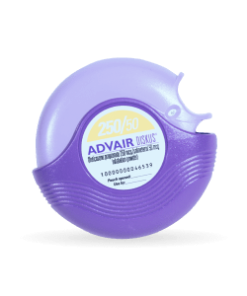
One of the most direct comparisons to Foracort Inhaler is Symbicort, which contains the identical active ingredients: _Budesonide_ and _Formoterol Fumarate_. This means their pharmacological effects and indications are largely similar. However, other popular combination inhalers use different ICS and LABA components, leading to subtle differences in their profiles. For instance, Advair (Fluticasone Propionate and Salmeterol) is another prominent combination, where Fluticasone Propionate is a different corticosteroid and Salmeterol is a different LABA. Similarly, Dulera (Mometasone Furoate and Formoterol Fumarate) pairs _Formoterol Fumarate_ with Mometasone Furoate, another corticosteroid. Breo Ellipta (Fluticasone Furoate and Vilanterol) features a unique ICS/LABA combination and a dry powder inhaler (DPI) system.
| Medication | Active Ingredients | Drug Class | Primary Use | Delivery System | Key Features/Notes |
|---|---|---|---|---|---|
| Foracort Inhaler | _Budesonide_, _Formoterol Fumarate_ | ICS/LABA | Asthma, COPD maintenance | Metered-Dose Inhaler (MDI) | Rapid onset bronchodilation, strong anti-inflammatory effect. Identical to Symbicort. |
| Symbicort | Budesonide, Formoterol Fumarate | ICS/LABA | Asthma, COPD maintenance | Metered-Dose Inhaler (MDI) or Dry Powder Inhaler (DPI) | Direct analog to Foracort; well-established, similar efficacy profile. |
| Advair Diskus/HFA | Fluticasone Propionate, Salmeterol | ICS/LABA | Asthma, COPD maintenance | DPI (Diskus) or MDI (HFA) | Long history of use, effective for many, Salmeterol has a slower onset than Formoterol. |
| Dulera | Mometasone Furoate, Formoterol Fumarate | ICS/LABA | Asthma maintenance | Metered-Dose Inhaler (MDI) | Combines Mometasone (another potent ICS) with rapid-acting Formoterol. Not approved for COPD. |
| Breo Ellipta | Fluticasone Furoate, Vilanterol | ICS/LABA | Asthma, COPD maintenance | Dry Powder Inhaler (DPI) | Once-daily dosing, newer combination, different ICS and LABA. |
The choice between these medications often comes down to individual patient factors, including response to specific corticosteroids or LABAs, preferred delivery system (MDI vs. DPI), dosing frequency (once or twice daily), and potential side effect profiles. While Foracort Inhaler shares its active ingredients with Symbicort, making them functionally very similar, the broader array of ICS/LABA combinations highlights the personalized nature of respiratory care. What works best for one individual in the USA may not be ideal for another, emphasizing the importance of working with a healthcare provider to find the most suitable treatment.
Each of these combinations offers distinct advantages. The rapid onset of _Formoterol Fumarate_ in Foracort Inhaler (and Symbicort and Dulera) can be a significant benefit for patients seeking quick relief within their maintenance regimen. Other combinations might be preferred for their once-daily dosing or a different steroid profile. Ultimately, the existence of various ICS/LABA therapies underscores the need for flexible treatment options to meet the diverse needs of patients managing chronic respiratory conditions.
Living with chronic respiratory conditions like asthma and COPD requires a proactive approach to health management. For patients in the USA, and globally, maintaining consistent control over symptoms is not just about avoiding discomfort; it’s about preserving lung function, preventing irreversible damage, and significantly enhancing the overall quality of life. The role of medications like Foracort Inhaler extends beyond merely opening airways; it’s about empowering individuals to breathe easier, participate more fully in daily activities, and reduce the anxiety associated with unpredictable breathing difficulties.
A comprehensive management plan often involves more than just medication. It includes lifestyle adjustments, avoidance of triggers, regular monitoring of lung function, and routine medical check-ups. Within this holistic framework, Foracort Inhaler serves as a powerful tool, providing the dual action of bronchodilation and anti-inflammation. By consistently using this medication as directed, patients can experience fewer exacerbations, better sleep, improved exercise tolerance, and a greater sense of control over their condition. This consistency is vital for long-term success and for enjoying a more active and fulfilling life despite chronic respiratory challenges.
Frequently Asked Questions (FAQs) about Foracort Inhaler
Here are some of the most commonly asked questions about Foracort Inhaler, providing clear and concise answers to help patients better understand their medication.
- What is Foracort Inhaler used for?
Foracort Inhaler is used for the long-term maintenance treatment of asthma and chronic obstructive pulmonary disease (COPD). It helps to prevent symptoms like wheezing, shortness of breath, and chest tightness by keeping airways open and reducing inflammation.
- How quickly does Foracort Inhaler start working?
Due to the _Formoterol Fumarate_ component, Foracort Inhaler starts to work relatively quickly, often within minutes, to open up the airways. However, its full anti-inflammatory effects from _Budesonide_ build up over several days or weeks of consistent use.
- Can Foracort Inhaler be used as a rescue inhaler for sudden breathing problems?
No, Foracort Inhaler is a maintenance medication and should not be used for the immediate relief of acute asthma attacks or sudden breathing difficulties. You should always carry a separate rescue inhaler, such as a short-acting beta2-agonist, for emergency relief.
- What should I do if I forget a dose of Foracort Inhaler?
If you miss a dose, take it as soon as you remember. However, if it is almost time for your next scheduled dose, skip the missed dose and return to your regular dosing schedule. Do not take a double dose to make up for a missed one.
- How often should I use Foracort Inhaler?
Foracort Inhaler is typically used twice a day, usually once in the morning and once in the evening, every day, as directed by your healthcare provider. It is important to use it consistently, even if you feel well.
- What are the common side effects of Foracort Inhaler?
Common side effects can include oral candidiasis (thrush in the mouth or throat), hoarseness, throat irritation, headache, and tremors. Rinsing your mouth after each use can help prevent thrush.
- Is it safe to stop using Foracort Inhaler suddenly?
No, it is not safe to stop using Foracort Inhaler suddenly, especially if you have been using it for a long time. Abrupt discontinuation can lead to a worsening of your respiratory condition. Always consult your healthcare provider before making any changes to your medication regimen.
- Does Foracort Inhaler interact with other medications?
Yes, Foracort Inhaler can interact with certain medications, including other bronchodilators, certain antidepressants, beta-blockers, and strong CYP3A4 inhibitors (e.g., ketoconazole, ritonavir). Always inform your healthcare provider about all medications, supplements, and herbal products you are currently taking to avoid potential interactions.
Real-World Experiences: Patient Testimonials
The following testimonials are fictional and created for illustrative purposes to demonstrate the potential positive experiences patients may have with Foracort Inhaler.
“For years, my asthma controlled my life. I was always worried about when the next attack would hit, especially when I tried to be active. Since starting on Foracort Inhaler, it’s been a game changer. I’ve noticed a significant reduction in my daily symptoms – less wheezing, less tightness in my chest. I can now go for walks with my grandchildren without feeling completely out of breath. It’s truly given me back a sense of freedom and confidence that I hadn’t felt in a very long time. This inhaler has been a pivotal part of me regaining control over my respiratory health.”
“As someone living with COPD, managing my breathing has always been a top priority. My doctor recommended Foracort Inhaler, and I’ve been using it consistently for several months now. What stands out to me is the consistency of relief it provides. My breathing feels much smoother throughout the day, and I haven’t had any severe flare-ups, which used to be a constant worry. The anti-inflammatory component really seems to make a difference in how my lungs feel overall. It’s easy to use, and I appreciate that I’m getting both my bronchodilator and steroid in one device. My quality of life has definitely improved, allowing me to enjoy simple things again.”
Foracort Inhaler represents a significant advancement in the management of chronic respiratory conditions such as asthma and COPD. By synergistically combining the bronchodilating power of _Formoterol Fumarate_ and the anti-inflammatory action of _Budesonide_, it offers a comprehensive solution for long-term symptom control and exacerbation prevention. For individuals seeking to regain control over their breathing and improve their overall well-being, consistent and proper use of Foracort Inhaler can be a transformative step. It empowers patients to lead more active and fulfilling lives, ensuring better respiratory health day in and day out.
| Dosage | 100mcg+6mcg, 200mcg+6mcg, 400mcg+6mcg |
|---|---|
| Package | 1 inhaler, 2 inhaler, 3 inhaler, 4 inhaler, 5 inhaler, 6 inhaler, 7 inhaler, 8 inhaler, 9 inhaler, 10 inhaler |
| Active Ingredient | Formoterol, Budesonide |
Be the first to review “Foracort Inhaler”
You must be logged in to post a review.
Related products



Anti-Inflammatories

Reviews
There are no reviews yet.