


Pulmicort Inhaler


Pulmicort Inhaler offers effective relief for respiratory conditions. This medication helps manage asthma symptoms by reducing inflammation in the airways. As an over the counter (OTC) product, Pulmicort Inhaler is readily available for your convenience. It’s designed to improve breathing and prevent asthma attacks, providing comfort and control. Choose Pulmicort Inhaler for reliable respiratory support.
Extra 10% discount with coupon: EXTRA10
Each dosage option has its own packaging options.
Pulmicort Inhaler A Pharmacological Approach to Treating Chronic Lung Conditions
For individuals navigating the challenges of chronic respiratory conditions such as asthma and chronic obstructive pulmonary disease (COPD), finding an effective and reliable treatment is paramount. The journey towards clearer breathing and improved quality of life often involves managing inflammation within the airways, a key factor in both diseases. In this pursuit, medications designed to deliver targeted relief and long-term control become indispensable.
Pulmicort Inhaler stands out as a widely recognized and trusted medication in the USA for its pivotal role in controlling and preventing symptoms associated with asthma and COPD. This detailed guide aims to provide a comprehensive understanding of how Pulmicort Inhaler works, its benefits, proper usage, potential side effects, and what to expect when incorporating it into a long-term treatment plan, empowering you with the knowledge to make informed decisions about your respiratory health.
Understanding Pulmicort Inhaler and Its Mechanism
Pulmicort Inhaler is a corticosteroid medication specifically designed for inhalation. Its primary active ingredient is budesonide, a potent synthetic glucocorticoid that works by targeting inflammation in the respiratory tract. When inhaled, budesonide is delivered directly to the airways, where it exerts its therapeutic effects.
The core mechanism of budesonide involves reducing the inflammatory response within the lungs. In conditions like asthma and COPD, the airways become inflamed, leading to swelling, mucus production, and bronchoconstriction (tightening of the muscles around the airways). These factors contribute to symptoms such as wheezing, shortness of breath, chest tightness, and coughing. Budesonide works by suppressing the immune system’s inflammatory reactions in the airways. It does this by inhibiting the release of various inflammatory mediators, such as cytokines, leukotrienes, and prostaglandins, which are responsible for initiating and propagating inflammation. By calming this inflammatory cascade, budesonide helps to decrease swelling in the airways, reduce mucus secretion, and ultimately make breathing easier.
It is crucial to understand that Pulmicort Inhaler is a controller medication, not a rescue inhaler. This means it is intended for regular, long-term use to prevent symptoms and reduce the frequency and severity of exacerbations. It does not provide immediate relief for sudden, acute breathing problems. For acute episodes, a fast-acting bronchodilator (rescue inhaler) is typically required. Consistent use of Pulmicort Inhaler, even when feeling well, is essential for maintaining optimal lung function and preventing future flare-ups.
Key Indications for Pulmicort Inhaler Use
Pulmicort Inhaler is approved for the following primary indications:
- Maintenance Treatment of Asthma: For adults and children aged 6 years and older, Pulmicort Inhaler is prescribed as a prophylactic therapy to control asthma symptoms and prevent asthma attacks. By reducing airway inflammation, it helps to keep the airways open, reduce hypersensitivity to triggers, and improve overall lung function. Regular use leads to fewer asthma symptoms, such as wheezing, coughing, and shortness of breath, and decreases the need for rescue medication. It is a cornerstone of daily asthma management, particularly for those with persistent asthma, ranging from mild to severe.
- Maintenance Treatment of Chronic Obstructive Pulmonary Disease (COPD): In adults with COPD, including chronic bronchitis and emphysema, Pulmicort Inhaler can be used to improve lung function and reduce the frequency of exacerbations (periods of worsening symptoms). COPD is characterized by progressive, irreversible airflow limitation, often caused by long-term exposure to irritants like cigarette smoke. While it cannot cure COPD, budesonide helps manage the inflammatory component of the disease, which contributes to symptoms and exacerbations. By reducing inflammation, it can lead to fewer hospitalizations and an improved quality of life for many patients.
The effectiveness of Pulmicort Inhaler in both conditions stems from its ability to directly address the underlying inflammation that drives these chronic respiratory diseases, offering a targeted approach to managing symptoms and improving long-term respiratory health.
Proper Dosage and Administration for Optimal Results
Achieving the full benefits of Pulmicort Inhaler largely depends on correct dosage and administration technique. While specific dosing schedules will be tailored to individual needs, there are general guidelines to follow:
Typically, Pulmicort Inhaler is used once or twice daily. The exact number of inhalations and the frequency will be determined by a healthcare provider based on the severity of your condition, your age, and your response to treatment. It is important to adhere strictly to the prescribed dosage and not to adjust it without consulting a professional.
Correct Inhaler Technique:
Using a metered-dose inhaler (MDI) correctly is crucial for ensuring the medication reaches your lungs effectively. While specific instructions may vary slightly by device, general steps include:
- Preparation: Shake the inhaler well before each use. If it’s a new inhaler or hasn’t been used for a while, you may need to prime it by releasing a few test sprays into the air.
- Positioning: Sit or stand upright. Breathe out completely to empty your lungs.
- Inhaling: Place the mouthpiece in your mouth, sealing your lips tightly around it. As you start to slowly and deeply inhale through your mouth, press down firmly on the top of the inhaler to release a puff of medication.
- Holding Breath: Continue to breathe in slowly and deeply. Hold your breath for about 5-10 seconds (or as long as comfortable) to allow the medication to settle in your lungs.
- Exhaling: Breathe out slowly.
- Repeat (if prescribed): If you need more than one puff, wait about 1 minute before repeating steps 1-5.
- Rinse Mouth: After your final dose, rinse your mouth thoroughly with water and spit it out. Do not swallow the water. This step is vital to prevent oral thrush (a fungal infection) and reduce systemic absorption of the corticosteroid, thereby minimizing potential side effects.
If you are using a spacer device, follow the instructions provided with the spacer, as it can help ensure more medication reaches your lungs and less settles in your mouth and throat.
Missed Dose: If you miss a dose, take it as soon as you remember. However, if it is almost time for your next scheduled dose, skip the missed dose and resume your regular dosing schedule. Do not take a double dose to make up for a missed one.
Do Not Stop Abruptly: It is important not to stop using Pulmicort Inhaler suddenly, even if you feel better. Abrupt discontinuation of inhaled corticosteroids, especially after prolonged use, can lead to a worsening of your symptoms and potentially other health issues. Always consult your healthcare provider before making any changes to your treatment plan.
The Tangible Benefits of Incorporating Pulmicort Inhaler
For individuals with asthma and COPD, the consistent use of Pulmicort Inhaler can lead to a significant improvement in various aspects of their health and daily lives. The benefits extend beyond mere symptom reduction, encompassing enhanced quality of life and long-term respiratory stability.
- Improved Breathing and Reduced Symptoms: The most direct benefit is a noticeable improvement in breathing. By consistently reducing airway inflammation, Pulmicort Inhaler helps to diminish the frequency and severity of common symptoms such as wheezing, shortness of breath, chest tightness, and coughing. This allows for easier and more comfortable respiration, both during daily activities and at rest.
- Prevention of Exacerbations: For both asthma and COPD, exacerbations (flare-ups) are periods of acute worsening symptoms that often require urgent medical attention or hospitalization. Pulmicort Inhaler significantly reduces the risk of these debilitating events, helping to stabilize lung function and prevent sudden deteriorations in health. This preventative action is crucial for maintaining long-term respiratory health.
- Decreased Reliance on Rescue Medications: As a controller medication, Pulmicort Inhaler aims to reduce the underlying inflammation that triggers symptoms, thereby lessening the need for fast-acting rescue inhalers. A reduction in the use of rescue medications is often an indicator of well-controlled asthma or COPD.
- Enhanced Quality of Life: By bringing symptoms under control and reducing the fear of sudden attacks, Pulmicort Inhaler enables individuals to participate more fully in daily activities, exercise, and social engagements. This leads to an improved overall quality of life, allowing patients to live more active and fulfilling lives without the constant burden of respiratory distress.
- Protection Against Long-Term Lung Damage: Chronic inflammation can lead to irreversible structural changes in the airways over time, contributing to the progression of conditions like COPD. By actively managing and reducing inflammation, Pulmicort Inhaler may help to protect the lungs from further damage and preserve lung function over the long term.
- Suitable for a Broad Range of Patients: Pulmicort Inhaler is approved for use in both adults and children 6 years and older in the USA, making it a versatile option for various patient demographics. Its established safety and efficacy profile have made it a trusted choice for managing chronic respiratory conditions across different age groups.
These collective benefits underscore the importance of Pulmicort Inhaler as a foundational treatment for chronic respiratory conditions, offering not just symptomatic relief but also a pathway to better health outcomes and an improved lifestyle.
Potential Side Effects and Important Precautions
Like all medications, Pulmicort Inhaler can cause side effects, although not everyone experiences them. Understanding these potential effects and taking necessary precautions can help manage treatment effectively.
Common Side Effects:
Many of the common side effects are localized to the mouth and throat due to the direct delivery of the medication. These include:
- Oral Thrush (Candidiasis): A fungal infection in the mouth or throat, characterized by white patches. Rinsing your mouth thoroughly with water and spitting it out after each use is highly effective in preventing this.
- Hoarseness or Voice Changes (Dysphonia): This can occur due to irritation of the vocal cords.
- Sore Throat or Irritation: A mild discomfort in the throat.
- Cough: Sometimes a cough can be triggered by the inhalation itself.
- Headache: A general side effect that some users may experience.
Less Common but Potentially More Serious Side Effects:
While rare, systemic absorption of corticosteroids can lead to more widespread effects, particularly with high doses or prolonged use. These may include:
- Adrenal Suppression: The adrenal glands may produce less of their natural steroids, especially when switching from oral corticosteroids to inhaled ones, or with very high doses.
- Reduced Bone Mineral Density: Long-term use of inhaled corticosteroids, particularly at higher doses, may be associated with a risk of decreased bone density, which can increase the risk of osteoporosis.
- Eye Problems: Rarely, inhaled corticosteroids can contribute to the development of cataracts (clouding of the lens) or glaucoma (increased pressure in the eye). Regular eye examinations are advisable for long-term users.
- Growth Retardation in Children: In some children, inhaled corticosteroids may cause a small reduction in growth rate. Healthcare providers carefully monitor growth in children on this medication.
- Increased Risk of Infection: As corticosteroids suppress the immune system, there might be a slightly increased risk of certain infections, including chickenpox, measles, or tuberculosis.
- Paradoxical Bronchospasm: Rarely, using an inhaler can cause immediate worsening of wheezing and shortness of breath. If this occurs, use a rescue inhaler and seek medical attention immediately.
Important Precautions and Warnings:
- Not for Acute Relief: Pulmicort Inhaler is a maintenance medication and should not be used for rapid relief of acute asthma attacks or severe bronchospasm. Always have a fast-acting bronchodilator available for rescue purposes.
- Existing Infections: Inform your healthcare provider if you have any existing infections, particularly tuberculosis, fungal infections, viral infections (e.g., herpes simplex of the eye), or parasitic infections. Corticosteroids can worsen or mask symptoms of these infections.
- Diabetes: Corticosteroids can affect blood sugar levels. Patients with diabetes should monitor their blood glucose more closely.
- Glaucoma/Cataracts: Individuals with a history of glaucoma or cataracts should be monitored regularly for changes in vision.
- Liver Impairment: Patients with severe liver disease may have reduced clearance of budesonide, leading to increased systemic exposure.
- Pregnancy and Breastfeeding: While studies suggest inhaled budesonide has a relatively good safety profile during pregnancy, it should only be used if the potential benefit justifies the potential risk to the fetus. Similarly, caution is advised during breastfeeding. Always discuss these situations with your healthcare provider.
- Drug Interactions: Be sure to inform your healthcare provider about all other medications you are taking, including over-the-counter drugs, supplements, and herbal remedies. Certain medications, especially strong inhibitors of CYP3A4 enzymes (e.g., ketoconazole, itraconazole, clarithromycin, ritonavir, atazanavir), can increase the systemic exposure to budesonide, potentially leading to increased side effects.
Always communicate openly with your healthcare provider about any side effects you experience or any concerns you have. They can provide guidance, adjust your treatment plan if necessary, and ensure that the benefits of Pulmicort Inhaler outweigh any potential risks.
Characteristics of Pulmicort Inhaler and Its Alternatives
To further understand where Pulmicort Inhaler fits within the landscape of respiratory medications, here is a detailed table outlining its key characteristics, followed by a comparison with some popular alternatives available in the USA.
Table 1: Characteristics of Pulmicort Inhaler
| Characteristic | Description |
|---|---|
| Medication Name | Pulmicort Inhaler |
| Active Ingredient | Budesonide |
| Drug Class | Inhaled Corticosteroid (ICS) |
| Formulation | Metered-Dose Inhaler (MDI) |
| Primary Use | Maintenance treatment for asthma; maintenance treatment for COPD to improve lung function and reduce exacerbations. |
| Mechanism of Action | Reduces inflammation in the airways by suppressing the immune response. |
| Administration | Inhalation into the lungs. |
| Typical Dosage Frequency | Once or twice daily (as prescribed). |
| Onset of Action | Not for immediate relief; full therapeutic effect typically seen within 1-2 weeks. |
| Age Approval | Adults and children 6 years and older for asthma; adults for COPD. |
Table 2: Comparison of Pulmicort Inhaler with Popular Alternatives
Several other medications are used for similar purposes in managing asthma and COPD. Here’s how Pulmicort Inhaler compares to some common alternatives, highlighting their differences in active ingredients and general approach.
| Medication Name | Active Ingredient(s) | Drug Class(es) | Primary Function & Use Case |
|---|---|---|---|
| Pulmicort Inhaler | Budesonide | Inhaled Corticosteroid (ICS) | Controller medication: Reduces airway inflammation for long-term asthma and COPD management. Prevents symptoms and exacerbations. |
| Flovent HFA / Diskus | Fluticasone Propionate | Inhaled Corticosteroid (ICS) | Controller medication: Very similar to Pulmicort; reduces inflammation for daily asthma control and prevention. Available as MDI (HFA) or Dry Powder Inhaler (Diskus). |
| Qvar Redihaler | Beclomethasone Dipropionate | Inhaled Corticosteroid (ICS) | Controller medication: Another ICS used for long-term asthma control by reducing inflammation. Designed as a breath-activated inhaler. |
| Symbicort HFA | Budesonide / Formoterol Fumarate Dihydrate | ICS + Long-Acting Beta-Agonist (LABA) | Combination Controller: Provides anti-inflammatory action (budesonide) and long-acting bronchodilation (formoterol). Used for maintenance treatment of asthma and COPD, offering both control and symptom relief (but not for acute attacks). |
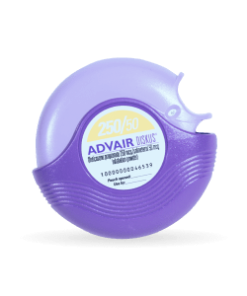
| Advair Diskus / HFA | Fluticasone Propionate / Salmeterol Xinafoate | ICS + Long-Acting Beta-Agonist (LABA) | Combination Controller: Similar to Symbicort, combines an ICS (fluticasone) with a LABA (salmeterol) for long-term management of asthma and COPD. Also not for acute symptom relief. |
| Spiriva HandiHaler / Respimat | Tiotropium Bromide | Long-Acting Muscarinic Antagonist (LAMA) | Bronchodilator: Primarily for COPD management (and some asthma cases). Works by relaxing airway muscles to keep them open for longer periods, reducing breathlessness and exacerbations. Does not directly reduce inflammation like an ICS. |
This comparison highlights that while all these medications aim to improve respiratory health, they do so through different mechanisms or combinations of mechanisms. Pulmicort Inhaler focuses solely on anti-inflammatory action, making it a foundational ICS. Combination inhalers like Symbicort and Advair add a bronchodilator for broader symptom management, while pure bronchodilators like Spiriva address airway constriction without directly tackling inflammation.
Living with Asthma or COPD and Pulmicort Inhaler
Managing a chronic respiratory condition is an ongoing commitment, and Pulmicort Inhaler plays a crucial role in this journey. Beyond just taking the medication, integrating it into a comprehensive management plan can significantly enhance outcomes and quality of life.
Adherence is Key: The effectiveness of Pulmicort Inhaler hinges on consistent, daily use as prescribed. Skipping doses or stopping the medication when symptoms improve can lead to a resurgence of inflammation and a worsening of your condition. Think of it as a preventative measure that builds protective effects over time, rather than a quick fix.
Identify and Avoid Triggers: While Pulmicort Inhaler helps to reduce the reactivity of your airways, minimizing exposure to triggers remains vital. For asthma, common triggers include allergens (pollen, dust mites, pet dander), irritants (smoke, strong odors, air pollution), exercise, and cold air. For COPD, continued exposure to smoke or occupational dusts can worsen the condition. Working with your healthcare provider to identify and avoid personal triggers can significantly complement your medication regimen.
Regular Monitoring and Communication: Regular check-ups with your healthcare provider are essential. They can monitor your lung function, assess your symptoms, and make any necessary adjustments to your treatment plan. Keep a log of your symptoms, rescue inhaler use, and any side effects you experience. Open communication ensures that your treatment remains optimized for your changing needs.
Healthy Lifestyle: Adopting a healthy lifestyle, including regular physical activity (as tolerated and recommended by your doctor), a balanced diet, and maintaining a healthy weight, can further support respiratory health. Avoiding smoking is paramount for both conditions, especially COPD.
Understanding Your Action Plan: Develop an asthma or COPD action plan with your healthcare provider. This plan outlines what to do if your symptoms worsen, when to use your rescue inhaler, and when to seek emergency medical care. Knowing how to respond to changes in your condition provides peace of mind and can prevent serious exacerbations.
By diligently using Pulmicort Inhaler as part of a holistic approach to managing your condition, you can achieve better symptom control, reduce the frequency of severe episodes, and enjoy a more active and fulfilling life. It’s about taking control of your respiratory health and empowering yourself with the tools and knowledge to breathe easier.
Frequently Asked Questions About Pulmicort Inhaler
Here are some of the most commonly asked questions regarding Pulmicort Inhaler, providing quick and clear answers to help you better understand this medication.
Q1: Is Pulmicort Inhaler a rescue inhaler for sudden breathing problems?
A1: No, Pulmicort Inhaler is not a rescue inhaler. It is a controller medication that works over time to reduce inflammation in your airways, preventing asthma symptoms and COPD exacerbations. You should always have a fast-acting rescue inhaler (like albuterol) available for sudden episodes of shortness of breath or wheezing.
Q2: How long does it take for Pulmicort Inhaler to start working?
A2: While some improvement might be noticed within a few days, it typically takes 1 to 2 weeks of consistent use for Pulmicort Inhaler to achieve its full therapeutic effect. It’s important to continue using it regularly, even if you don’t feel immediate relief, to build up its preventative benefits.
Q3: Can children use Pulmicort Inhaler?
A3: Yes, Pulmicort Inhaler is approved for the maintenance treatment of asthma in children 6 years of age and older in the USA. Dosage and administration for children should always be determined and supervised by a healthcare provider.
Q4: What should I do if I miss a dose of Pulmicort Inhaler?
A4: If you miss a dose, take it as soon as you remember. However, if it is almost time for your next scheduled dose, skip the missed dose and return to your regular dosing schedule. Do not take a double dose to compensate for a missed one.
Q5: Do I need to rinse my mouth after using Pulmicort Inhaler?
A5: Yes, it is very important to rinse your mouth thoroughly with water and spit it out after each use of Pulmicort Inhaler. This helps to prevent oral thrush (a fungal infection) and minimizes the absorption of the corticosteroid into your bloodstream, thereby reducing potential systemic side effects.
Q6: Can I stop using Pulmicort Inhaler when I feel better?
A6: No, you should not stop using Pulmicort Inhaler suddenly, even if your symptoms improve. Stopping abruptly can lead to a return of inflammation and a worsening of your asthma or COPD. Any changes to your treatment plan should only be made under the guidance of your healthcare provider.
Q7: What are the most common side effects of Pulmicort Inhaler?
A7: The most common side effects are generally localized to the mouth and throat, including oral thrush, hoarseness, sore throat, and cough. These can often be mitigated by rinsing your mouth after use. Headaches are also sometimes reported.
Q8: How should I store Pulmicort Inhaler?
A8: Store Pulmicort Inhaler at room temperature, typically between 68°F and 77°F (20°C and 25°C), away from direct heat, sunlight, and extreme cold. Do not puncture or incinerate the canister. Keep it out of reach of children and pets.
Customer Testimonials
Hear from individuals who have incorporated Pulmicort Inhaler into their daily management of asthma and COPD:
“For years, my asthma controlled my life. I was constantly worried about my next attack, and it limited what I could do. Since starting Pulmicort Inhaler a few months ago, I’ve noticed a dramatic difference. My breathing is clearer, the wheezing has significantly decreased, and I haven’t had to reach for my rescue inhaler nearly as often. I can finally enjoy walks with my grandchildren without feeling winded. It’s truly given me a new sense of freedom and confidence in managing my condition. I’m so grateful for how much better I feel.”
“Living with COPD presented daily challenges, especially with the constant cough and shortness of breath. My doctor prescribed Pulmicort Inhaler, and honestly, I was a bit skeptical at first. But after a few weeks of consistent use, the change was undeniable. My lung function feels stronger, and those debilitating exacerbations that used to send me to the emergency room are now much less frequent. It’s not a cure, but it’s a vital tool that helps me manage my symptoms and maintain a much better quality of life. I highly recommend discussing it with your doctor if you’re struggling with COPD.”
Conclusion
Pulmicort Inhaler, with its active ingredient budesonide, stands as a cornerstone therapy for the long-term management of chronic respiratory conditions such as asthma and COPD in the USA. By effectively targeting and reducing airway inflammation, it provides consistent relief from symptoms, significantly lowers the risk of severe exacerbations, and ultimately enhances the quality of life for countless individuals. Understanding its proper use, adhering to the prescribed regimen, and being aware of potential side effects are crucial steps towards maximizing its benefits. Through consistent application and informed self-management, Pulmicort Inhaler empowers individuals to breathe easier and live more actively, reinforcing its role as a vital medication in the pursuit of sustained respiratory health.
| Dosage | 100 mcg |
|---|---|
| Package | 1 inhaler, 3 inhaler, 6 inhaler |
| Active Ingredient | Budesonide |
Be the first to review “Pulmicort Inhaler”
You must be logged in to post a review.
Related products

AntiAllergics




Reviews
There are no reviews yet.