


Adaferin Gel
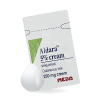

Adaferin Gel is an effective topical treatment designed to combat acne and improve skin clarity. Its active ingredient works to normalize skin cell turnover, helping to prevent the formation of new breakouts and reduce existing blemishes. This powerful gel is a popular choice for those seeking a clearer complexion. You can conveniently purchase Adaferin Gel over the counter as an OTC product, making it easily accessible for your skincare needs. Experience a revitalized look with this trusted acne solution.
Extra 10% discount with coupon: EXTRA10
Each dosage option has its own packaging options.
Adaferin Gel Examining Adapalene’s Role in Managing Common Skin Blemishes
Welcome to a comprehensive guide on Adaferin Gel, a highly effective dermatological treatment specifically formulated to combat acne vulgaris. In the challenging journey to achieve clear, healthy skin, finding a reliable and potent solution is paramount. Adaferin Gel stands out as a leading topical retinoid, trusted by many for its ability to target the root causes of acne, helping to diminish existing blemishes and prevent future breakouts. This detailed description aims to provide you with all the essential information about this remarkable product, empowering you to make informed decisions for your skin health.
At the core of Adaferin Gel‘s efficacy is its powerful active ingredient, Adapalene. As a third-generation topical retinoid, Adapalene offers a unique profile of action, providing significant therapeutic benefits with a generally favorable tolerability compared to older retinoids. It is designed to normalize skin cell turnover, reduce inflammation, and unplug blocked pores, which are key contributors to the formation of acne lesions. Whether you are dealing with blackheads, whiteheads, papules, or pustules, Adaferin Gel offers a targeted approach to help restore clarity and smoothness to your complexion.
Understanding Adaferin Gel: Mechanism and Benefits
Adaferin Gel is a potent topical medication primarily indicated for the treatment of acne vulgaris in individuals across various age groups. Its effectiveness stems from its active ingredient, Adapalene, a synthetic retinoid that operates by influencing specific retinoid receptors in the skin. This targeted action allows Adapalene to modify cellular processes that contribute to acne development, offering a multifaceted approach to skin improvement.
How Adaferin Gel Works: The Science of Clear Skin
The mechanism of action of Adapalene, the active component in Adaferin Gel, is central to its success in treating acne. Adapalene primarily functions as a comedolytic agent, meaning it helps to prevent the formation of comedones, which are the precursor lesions of acne, commonly known as blackheads and whiteheads. It achieves this by normalizing the differentiation of follicular epithelial cells, essentially promoting a healthy turnover of skin cells within the hair follicles. This action helps to unblock clogged pores and reduces the likelihood of new blockages forming.
Beyond its comedolytic properties, Adapalene also possesses significant anti-inflammatory effects. Inflammation plays a crucial role in the development of acne lesions, particularly the red, swollen bumps (papules) and pus-filled lesions (pustules). Adaferin Gel works to reduce this inflammation, thereby lessening the redness and discomfort associated with active breakouts. This dual action–unclogging pores and calming inflammation–makes Adaferin Gel a comprehensive solution for managing various forms of acne. Its retinoid activity is selective, targeting the appropriate receptors to provide therapeutic benefits while often causing less irritation compared to some older generation retinoids, making it a suitable option for many skin types.
Key Benefits of Incorporating Adaferin Gel into Your Skincare Regimen
The consistent and correct use of Adaferin Gel can lead to a multitude of benefits for individuals struggling with acne. Users often experience a noticeable improvement in their skin’s overall appearance and health.
-
Effective Acne Clearance: Adaferin Gel actively works to clear existing acne lesions, including blackheads, whiteheads, papules, and pustules. By targeting the underlying causes of acne, it helps to resolve current breakouts efficiently.
-
Prevention of Future Breakouts: One of the most significant advantages of Adaferin Gel is its ability to prevent new acne lesions from forming. By normalizing skin cell turnover and keeping pores clear, it reduces the frequency and severity of future breakouts, leading to sustained clear skin.
-
Improved Skin Texture: Regular use can lead to a smoother and more refined skin texture. As pores become less clogged and inflammation subsides, the skin’s surface can appear more even and healthy.
-
Reduction in Redness and Inflammation: The anti-inflammatory properties of Adapalene help to calm irritated skin, reducing the redness and swelling associated with acne lesions, contributing to a more uniform complexion.
-
Suitable for Various Acne Types: Adaferin Gel is effective for treating mild to moderate acne vulgaris, making it a versatile option for many individuals experiencing acne issues.
-
Favorable Tolerability Profile: Compared to some other retinoids, Adapalene is often associated with a lower incidence of irritation, making Adaferin Gel a good choice for those who might have sensitive skin but still require potent acne treatment.
Indications for Use
Adaferin Gel is specifically indicated for the topical treatment of acne vulgaris. This includes various forms of acne, such as comedonal acne (blackheads and whiteheads), as well as inflammatory acne (papules and pustules). It is designed for use on the face and other affected areas where acne lesions commonly appear, such as the chest and back.
Directions for Optimal Use of Adaferin Gel
To achieve the best results with Adaferin Gel and minimize potential side effects, it is crucial to follow proper application instructions.
-
Cleanse Skin: Before applying the gel, gently wash the affected areas with a mild cleanser and pat dry. Ensure your skin is completely dry before application to enhance absorption and reduce irritation.
-
Apply a Thin Layer: Apply a thin layer of Adaferin Gel to the entire affected area once daily, typically in the evening before bedtime. It is important to treat the entire area where acne occurs, not just individual pimples, to prevent new breakouts.
-
Gentle Application: Use your fingertips to gently spread the gel. A pea-sized amount is usually sufficient for the entire face. Avoid excessive application, as this will not speed up results and may increase the likelihood of irritation.
-
Avoid Sensitive Areas: Be careful to avoid contact with eyes, lips, nostrils, and mucous membranes. If accidental contact occurs, rinse thoroughly with warm water.
-
Moisturize: After the gel has fully absorbed (usually after 10-15 minutes), you may apply a non-comedogenic moisturizer to help counteract any potential dryness or irritation, especially during the initial weeks of treatment.
-
Consistency is Key: Regular and consistent application is vital for the efficacy of Adaferin Gel. It may take several weeks, typically 8 to 12 weeks, to see significant improvement. Do not discontinue use prematurely if immediate results are not observed.
Potential Side Effects and Management
Like all active dermatological treatments, Adaferin Gel may cause some side effects, especially during the initial weeks of use. These are typically mild to moderate and often subside as your skin adjusts to the medication.
-
Dryness and Peeling: These are common and often indicate that the medication is working. To manage, use a gentle, hydrating, non-comedogenic moisturizer regularly. You might also consider applying the gel every other day initially to allow your skin to adapt.
-
Redness and Irritation: Mild redness is normal. If irritation is severe, reduce the frequency of application or use a gentler cleansing routine. Avoid harsh exfoliants or astringents.
-
Burning or Stinging Sensation: A mild, temporary burning or stinging upon application can occur. This usually diminishes with continued use. If it persists or becomes severe, ensure your skin is completely dry before application and consider reducing frequency.
-
Sun Sensitivity: Adapalene increases the skin’s sensitivity to sunlight. It is crucial to use a broad-spectrum sunscreen with an SPF of 30 or higher every morning, regardless of weather, and to wear protective clothing when outdoors. Minimize prolonged sun exposure, including tanning beds.
-
Initial Worsening of Acne: Some users may experience a temporary flare-up of acne during the first few weeks of treatment. This “purging” phase is often a sign that the medication is effectively bringing underlying clogged pores to the surface. It is important to continue treatment, as this phase typically passes.
Should any side effects persist or worsen, users may consider adjusting their usage frequency or seeking further advice.
Important Considerations and Precautions
To ensure the safe and effective use of Adaferin Gel, keep the following precautions in mind:
-
External Use Only: Adaferin Gel is for topical use on the skin only. Do not ingest it.
-
Avoid Damaged Skin: Do not apply Adaferin Gel to cuts, abrasions, eczematous skin, or sunburned skin, as this can increase irritation.
-
Interactions with Other Products: Avoid using other irritating topical products, such as medicated or abrasive soaps and cleansers, products with strong drying agents, and products with high concentrations of alcohol, astringents, or spices, simultaneously with Adaferin Gel, as this can exacerbate irritation.
-
Sun Exposure: As mentioned, Adapalene can increase photosensitivity. Always use sunscreen and protective clothing during the day. This is particularly important for residents of the US who experience varying sun intensities throughout the year.
-
Individuals who are pregnant or breastfeeding should exercise caution when considering the use of topical retinoids and evaluate their options carefully.
Storage Information
Store Adaferin Gel at room temperature, typically between 20°C to 25°C (68°F to 77°F). Keep the tube tightly closed when not in use. Protect from freezing and excessive heat. Keep out of reach of children.
Comprehensive Overview and Comparison
To further illustrate the position of Adaferin Gel in the landscape of acne treatments, the following table provides a detailed look at its characteristics and compares it with other popular topical acne medications available in the US market. This comparison will help highlight its unique attributes and how it stands alongside its counterparts.
| Feature | Adaferin Gel | Differin Gel (Example Brand) | Retin-A (Example Brand) | Benzac AC (Example Brand) |
|---|---|---|---|---|
| Active Ingredient | Adapalene | Adapalene | Tretinoin | Benzoyl Peroxide |
| Primary Indication | Acne Vulgaris (Comedonal & Inflammatory) | Acne Vulgaris (Comedonal & Inflammatory) | Acne Vulgaris, Wrinkles, Pigmentation | Acne Vulgaris (Inflammatory & Comedonal) |
| Mechanism of Action | Comedolytic, Anti-inflammatory, Normalizes cell turnover | Comedolytic, Anti-inflammatory, Normalizes cell turnover | Comedolytic, Increases cell turnover, Collagen stimulation | Antibacterial, Keratolytic (mild peeling) |
| Type of Agent | Third-generation Topical Retinoid | Third-generation Topical Retinoid | First-generation Topical Retinoid | Antimicrobial/Oxidizing Agent |
| Common Side Effects | Dryness, redness, peeling, burning, sun sensitivity (often milder than Tretinoin) | Dryness, redness, peeling, burning, sun sensitivity (often milder than Tretinoin) | Significant dryness, redness, peeling, increased sun sensitivity, irritation (more potent) | Dryness, redness, peeling, bleaching of fabrics, irritation |
| Onset of Action | Noticeable improvement in 8-12 weeks, full effects take longer | Noticeable improvement in 8-12 weeks, full effects take longer | Noticeable improvement in 6-12 weeks, full effects take longer | Often within days to weeks, significant improvement within 4-6 weeks |
| Suitability for Sensitive Skin | Generally better tolerated than Tretinoin, good initial retinoid option | Generally better tolerated than Tretinoin, good initial retinoid option | May be too irritating for very sensitive skin, requires careful titration | Can be irritating, patch test recommended for sensitive skin |
| Key Advantage | Effective retinoid with a better tolerability profile, reduces inflammation | Effective retinoid with a better tolerability profile, reduces inflammation | Potent anti-acne, anti-aging, and skin-rejuvenating effects | Rapid antibacterial action, targets P. acnes bacteria effectively |
The Journey to Clear Skin with Adaferin Gel
Embarking on a new acne treatment journey requires patience and consistency. When you start using Adaferin Gel, it’s important to set realistic expectations. While some individuals may notice initial changes within a few weeks, significant and sustained improvement typically takes longer. The initial phase, sometimes referred to as “purging,” might involve a temporary increase in breakouts. This occurs as Adapalene accelerates skin cell turnover, bringing existing microcomedones to the surface. It is a sign that the gel is actively working to clear out blocked pores from within. Persisting through this phase is crucial, as it usually resolves, leading to clearer skin. Most users in the US report seeing noticeable improvements in their acne within 8 to 12 weeks of consistent daily use, with optimal results often achieved after several months. Continued use is generally recommended to maintain results and prevent new breakouts, making it a valuable long-term solution for acne management.
Frequently Asked Questions About Adaferin Gel
1. How long does it take for Adaferin Gel to show results?
Typically, users begin to see noticeable improvements in their acne within 8 to 12 weeks of consistent daily use. However, full therapeutic effects and optimal results may take several months. It is important to continue using the gel as directed, even if you don’t see immediate changes, as the skin needs time to adjust and respond to the treatment. Some individuals might experience an initial worsening of acne, known as purging, during the first few weeks, which is a temporary phase indicating the medication is working.
2. Can I use Adaferin Gel with other acne treatments?
When using Adaferin Gel, it is generally recommended to avoid concurrent use of other topical acne treatments that can cause irritation, such as products containing salicylic acid, alpha hydroxy acids, or other retinoids, unless specifically advised. Combining such products can increase the risk of dryness, redness, and peeling. However, a gentle cleanser and a non-comedogenic moisturizer can be used to support your skin during treatment. If you are considering combining Adaferin Gel with other active ingredients, introduce them cautiously and observe your skin’s reaction.
3. What should I do if my skin becomes very dry or irritated?
Dryness, redness, and peeling are common side effects, especially during the initial weeks of using Adaferin Gel. To manage this, ensure you are applying only a thin layer. You can also try reducing the frequency of application, for example, applying it every other night, until your skin adjusts. Incorporating a bland, fragrance-free, non-comedogenic moisturizer into your routine, applied after the gel has fully absorbed, can also significantly help. Avoid using harsh cleansers, abrasive scrubs, or astringents that can further irritate your skin.
4. Is it normal for acne to get worse before it gets better with Adaferin Gel?
Yes, an initial worsening of acne, often called “purging,” is a common and normal phenomenon when starting retinoid treatments like Adaferin Gel. This occurs because Adapalene accelerates cell turnover, bringing existing clogged pores and microcomedones to the surface more quickly. This phase typically lasts for a few weeks to a month and is a sign that the medication is actively clearing out underlying issues. It is important to continue treatment during this period, as the purging usually subsides, leading to clearer skin.
5. Can I go in the sun while using Adaferin Gel?
Using Adaferin Gel makes your skin more sensitive to sunlight and increases the risk of sunburn. It is crucial to take precautions against sun exposure. Always apply a broad-spectrum sunscreen with an SPF of 30 or higher every morning, even on cloudy days. Wear protective clothing, such as hats and long sleeves, and try to limit prolonged exposure to direct sunlight, especially during peak hours. Tanning beds should also be avoided. This increased sensitivity applies to users in the US, where sun exposure can vary greatly by region and season.
6. How much Adaferin Gel should I use for my face?
For the entire face, only a pea-sized amount of Adaferin Gel is needed. Applying more than this will not provide faster or better results and may increase the likelihood of irritation, dryness, and other side effects. It’s important to spread this thin layer evenly over all affected areas, not just individual pimples, to treat existing lesions and prevent new ones.
7. Can Adaferin Gel be used on other body parts besides the face?
Yes, Adaferin Gel can be used on other areas affected by acne vulgaris, such as the chest and back. The application instructions remain the same: cleanse the area, apply a thin layer once daily, and take precautions against sun exposure. The amount needed will vary depending on the size of the affected area, but always aim for a thin, even coating.
8. What ingredients should I avoid when using Adaferin Gel?
When using Adaferin Gel, it’s best to avoid other potentially irritating topical agents such as those containing high concentrations of salicylic acid, glycolic acid, or other alpha and beta hydroxy acids, as well as benzoyl peroxide, unless specifically directed. Products with strong drying agents, alcohol-based toners, astringents, and abrasive scrubs should also be used cautiously or avoided, as they can exacerbate irritation and dryness when combined with Adapalene. Opt for gentle, hydrating, non-comedogenic products for your supporting skincare routine.
Real Stories from Users
Review 1: A Game-Changer for Persistent Acne
“I’ve struggled with persistent acne since my teenage years, and as an adult in my late twenties living in the US, I was starting to lose hope. I had tried countless products, from over-the-counter creams to various cleansers, but nothing seemed to make a lasting difference. Then I discovered Adaferin Gel. The first few weeks were a bit tough; I experienced some dryness and a slight increase in breakouts, which I later learned was part of the ‘purging’ phase. I stuck with it, applying a pea-sized amount every night after cleansing, followed by a gentle moisturizer. Around the 8-week mark, I started seeing a real change. My skin began to clear up significantly. The painful cystic acne lessened, and the constant blackheads on my nose and forehead dramatically reduced. Now, after four months, my skin is smoother, clearer, and I rarely get large breakouts. I diligently use sunscreen every day, and that’s become a non-negotiable part of my routine. Adaferin Gel has truly been a game-changer for my complexion and my confidence.” – Sarah L., New York.
Review 2: Finally, Clearer Skin!
“My skin has always been prone to breakouts, especially around my chin and jawline. It wasn’t severe cystic acne, but a constant cycle of whiteheads and small inflamed bumps that were incredibly frustrating. I heard about Adapalene and decided to give Adaferin Gel a try. I started slowly, every other night, to let my skin adjust. Initially, I had some redness and flakiness, but it was manageable with a good hydrating cream. Within about two months, I noticed a significant reduction in new breakouts. The texture of my skin also improved dramatically; it felt smoother and looked more even-toned. I continued to use it every night, and now, six months in, my skin is the clearest it has been in years. I always make sure to wear my SPF, especially living in a sunny state like California. This product is now a staple in my routine, and I highly recommend it to anyone dealing with stubborn acne.” – David P., Los Angeles.
| Dosage | 0.1% 15 g |
|---|---|
| Package | 1 tubes, 3 tubes, 6 tubes |
| Active Ingredient | Adapalene |
Be the first to review “Adaferin Gel”
You must be logged in to post a review.
Related products


Reviews
There are no reviews yet.