


Lopressor

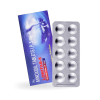
Lopressor, a trusted medication, helps manage high blood pressure and angina. This over-the-counter (OTC) option provides convenient access to support your cardiovascular health. It works by relaxing blood vessels and slowing the heart rate, reducing the heart’s workload. Lopressor can be an effective part of your regimen to maintain a healthy heart. Take control of your well-being with this readily available solution.
Extra 10% discount with coupon: EXTRA10
Each dosage option has its own packaging options.
Lopressor Understanding Metoprolol’s Role in Heart Health Treatment
Lopressor is a widely recognized medication in the USA, primarily used to manage conditions affecting the heart and blood pressure. As a beta-blocker, its active ingredient, _metoprolol tartrate_, works to reduce the workload on your heart, helping it beat more regularly and efficiently. This detailed guide aims to provide comprehensive information about Lopressor, covering its approved uses, how it works, potential side effects, and important safety considerations, empowering you with knowledge to understand this vital medication.
For individuals dealing with high blood pressure, chest pain (angina), or recovering from a heart attack, Lopressor offers a significant therapeutic option. It is crucial to understand its mechanism of action and the specific conditions it is designed to address. This overview is intended to be a resource for those seeking to learn more about Lopressor and its role in cardiovascular health management.
What is Lopressor and How Does It Work?
Lopressor, with its active ingredient _metoprolol tartrate_, belongs to a class of medications known as beta-blockers. Specifically, it is a cardioselective beta-1 adrenergic receptor antagonist. This means it primarily targets the beta-1 receptors in the heart, helping to slow down the heart rate and relax blood vessels. By doing so, it reduces the force with which the heart pumps blood and lowers overall blood pressure.
The mechanism of action of _metoprolol tartrate_ involves blocking the effects of certain natural chemicals in your body, such as adrenaline, on the heart and blood vessels. Adrenaline typically causes the heart to beat faster and blood vessels to constrict, leading to increased blood pressure and heart rate. By blocking these effects, Lopressor helps to:
- Decrease heart rate: A slower heart rate reduces the heart’s oxygen demand.
- Lower blood pressure: Relaxed blood vessels allow blood to flow more freely, reducing pressure.
- Improve blood flow: Enhanced blood flow can alleviate symptoms like chest pain.
This combined action makes Lopressor an effective treatment for several cardiovascular conditions, helping to improve cardiac function and reduce the risk of serious complications. Its impact on the heart’s workload is particularly beneficial in situations where the heart is stressed or working too hard.
Approved Indications for Lopressor in the USA
In the United States, Lopressor is approved for the treatment of several key cardiovascular conditions. Its effectiveness in these areas has made it a cornerstone medication for millions of people. Understanding the specific indications for which it is prescribed is essential for its appropriate use.
The primary approved uses for Lopressor include:
- Hypertension (High Blood Pressure): Lopressor is widely used to manage essential hypertension, either alone or in combination with other antihypertensive agents. By lowering blood pressure, it helps to reduce the risk of serious cardiovascular events such as strokes, heart attacks, and kidney problems. The sustained reduction in blood pressure provided by Lopressor contributes significantly to long-term cardiovascular health.
- Angina Pectoris (Chest Pain): This medication is effective in the long-term management of angina pectoris, a condition characterized by chest pain or discomfort due to insufficient blood flow to the heart muscle. Lopressor helps to reduce the frequency and severity of anginal attacks by decreasing the heart’s oxygen demand, allowing for better management of symptoms and improved quality of life.
- Myocardial Infarction (Heart Attack): Following an acute myocardial infarction, Lopressor is utilized to reduce cardiovascular mortality in patients who are hemodynamically stable. Its administration helps to protect the heart muscle, reduce the risk of subsequent heart attacks, and improve overall survival rates. This post-MI use is critical for preventing further cardiac damage and promoting recovery.
Each of these indications leverages the unique properties of _metoprolol tartrate_ to benefit patients with specific cardiovascular challenges, highlighting its versatility and importance in modern medicine.
Dosage and Administration
The dosage of Lopressor, like many medications, is highly individualized and depends on the specific condition being treated, the patient’s response to therapy, and overall health status. It is important to adhere strictly to the instructions provided by a healthcare professional to ensure optimal effectiveness and minimize potential risks. Do not adjust your dose or stop taking the medication without appropriate guidance.
General dosing guidelines for approved indications are:
- For Hypertension: The usual starting dosage for hypertension is typically 50 mg twice a day, or 100 mg once a day. The dosage can be increased weekly, if necessary, to achieve the desired blood pressure reduction. The maintenance dosage generally ranges from 100 mg to 450 mg daily, divided into two doses.
- For Angina Pectoris: The initial dosage is often 50 mg twice daily. This may be gradually increased at weekly intervals, as needed, up to a maximum of 400 mg per day, divided into two doses. The goal is to reduce anginal attacks and improve exercise tolerance.
- For Myocardial Infarction: In the setting of acute myocardial infarction, dosage regimens can vary, often involving initial intravenous administration followed by oral therapy. Oral treatment typically begins with 50 mg every 6 hours for 48 hours, then switching to 100 mg twice daily for long-term maintenance.
Lopressor tablets should be swallowed whole and can be taken with or immediately following meals. Taking the medication at the same time each day can help maintain consistent levels in your body. It is crucial not to abruptly discontinue Lopressor, especially in patients with ischemic heart disease, as this can exacerbate angina, lead to myocardial infarction, or precipitate withdrawal symptoms. Any changes to your medication regimen should be discussed with a healthcare professional.
Potential Side Effects of Lopressor
While Lopressor is generally well-tolerated, like all medications, it can cause side effects. These side effects can vary in severity and frequency among individuals. It is important to be aware of potential reactions and to discuss any concerns with a healthcare professional.
Common side effects associated with Lopressor often include:
- Fatigue or tiredness
- Dizziness or lightheadedness, particularly when standing up quickly
- Bradycardia (slow heart rate)
- Nausea, vomiting, or stomach pain
- Diarrhea or constipation
- Cold hands and feet
- Shortness of breath or wheezing
Less common but potentially more serious side effects may include:
- Exacerbation of heart failure symptoms (e.g., swelling in ankles/feet, unusual weight gain, severe fatigue)
- Significant drops in blood pressure (hypotension)
- Bronchospasm, especially in individuals with a history of asthma or other respiratory conditions
- Masking symptoms of hypoglycemia in diabetic patients
- Skin rash or itching
- Depression or mental changes
If you experience any severe or persistent side effects, or if you notice any unusual symptoms while taking Lopressor, it is important to seek immediate medical advice. Always communicate thoroughly with your healthcare provider about any adverse reactions to ensure your safety and well-being.
Important Safety Information and Precautions
Using Lopressor requires careful consideration of certain safety information and precautions to ensure its safe and effective use. Individuals with specific pre-existing conditions or those taking other medications may require closer monitoring or dosage adjustments. It is vital to provide your healthcare provider with a complete medical history before starting treatment with Lopressor.
Key precautions and considerations include:
- Respiratory Conditions: Lopressor should be used with extreme caution, or not at all, in patients with bronchial asthma, bronchospastic disease, or other severe obstructive pulmonary diseases. Beta-blockers can cause bronchospasm, making breathing more difficult.
- Heart Conditions: Patients with certain heart conditions, such as sinus bradycardia, heart block greater than first degree, cardiogenic shock, or overt cardiac failure, should generally not use Lopressor. Careful monitoring is required for patients with controlled heart failure.
- Diabetes: Beta-blockers, including Lopressor, can mask the symptoms of hypoglycemia (low blood sugar), such as tremors and rapid heart rate, making it harder for diabetic patients to recognize and treat low blood sugar episodes. Blood sugar levels should be monitored closely.
- Thyrotoxicosis: Lopressor may mask clinical signs of hyperthyroidism, such as tachycardia. Abrupt withdrawal could precipitate a thyroid storm.
- Peripheral Vascular Disease: Symptoms of arterial insufficiency may be aggravated in patients with peripheral vascular disease.
- Liver and Kidney Impairment: Dosage adjustments may be necessary for patients with severe hepatic (liver) impairment due to altered metabolism of the drug. While kidney impairment does not typically require dosage adjustments, monitoring is still advised.
- Pregnancy and Lactation: The use of Lopressor during pregnancy and lactation should be carefully weighed against potential risks and benefits. Discussing this with a healthcare provider is essential to determine the safest course of action for both mother and child.
- Drug Interactions: Lopressor can interact with a variety of other medications, including other antihypertensive drugs, calcium channel blockers, digitalis glycosides, catecholamine-depleting drugs (e.g., reserpine), monoamine oxidase inhibitors (MAOIs), and certain anesthetic agents. These interactions can alter the effects of Lopressor or the interacting drugs, potentially leading to adverse events. Always inform your healthcare provider about all medications, supplements, and herbal products you are currently taking.
- Surgery: It is generally recommended to continue beta-blocker therapy through surgery, except in specific cases where the benefits of withdrawal outweigh the risks. Abrupt withdrawal prior to surgery can increase cardiac risk.
Always adhere to the medical advice given by your healthcare provider and discuss any existing conditions, allergies, or other medications you are taking to ensure Lopressor is safe and appropriate for your individual health needs. Following these precautions is paramount to maximizing the therapeutic benefits and minimizing potential complications.
| Feature | Lopressor (Metoprolol Tartrate) | Toprol XL (Metoprolol Succinate) | Atenolol | Bisoprolol |
|---|---|---|---|---|
| Active Ingredient | _Metoprolol tartrate_ | Metoprolol succinate | Atenolol | Bisoprolol |
| Drug Class | Beta-1 Selective Beta-Blocker | Beta-1 Selective Beta-Blocker | Beta-1 Selective Beta-Blocker | Beta-1 Selective Beta-Blocker |
| Primary Uses | Hypertension, Angina, Post-MI | Hypertension, Angina, Heart Failure | Hypertension, Angina, Post-MI | Hypertension, Angina, Heart Failure |
| Dosage Frequency | Typically 2 times daily (immediate release) | Typically 1 time daily (extended release) | Typically 1 time daily | Typically 1 time daily |
| Common Side Effects | Fatigue, dizziness, slow heart rate, nausea, shortness of breath | Fatigue, dizziness, slow heart rate, nausea, shortness of breath | Fatigue, dizziness, slow heart rate, cold extremities | Fatigue, dizziness, slow heart rate, headache |
| Special Considerations | Immediate-release formulation, shorter duration of action. | Extended-release formulation, once-daily dosing, effective for heart failure. | Excreted renally, may require dose adjustment in kidney impairment. | Highly cardioselective, long half-life, effective for chronic heart failure. |
Frequently Asked Questions About Lopressor
To further assist in understanding Lopressor, here are answers to some commonly asked questions:
Q: How long does it take for Lopressor to start working?
A: You may begin to notice a reduction in your heart rate and blood pressure within an hour or two of taking Lopressor. However, the full therapeutic effects, especially for conditions like hypertension or angina, may take several days to a few weeks to become apparent as your body adjusts to the medication and stable drug levels are achieved.
Q: Can I drink alcohol while taking Lopressor?
A: It is generally advisable to limit or avoid alcohol consumption while taking Lopressor. Alcohol can enhance the blood pressure-lowering effects of Lopressor, potentially leading to excessive dizziness or lightheadedness. It can also exacerbate some side effects like drowsiness.
Q: What should I do if I miss a dose of Lopressor?
A: If you miss a dose, take it as soon as you remember. However, if it is almost time for your next scheduled dose, skip the missed dose and resume your regular dosing schedule. Do not take a double dose to make up for a missed one, as this can increase the risk of side effects.
Q: Is Lopressor safe for long-term use?
A: Yes, Lopressor is commonly prescribed for long-term management of chronic conditions such as hypertension and angina. When used under appropriate medical guidance, its benefits in preventing cardiovascular events often outweigh the risks associated with long-term use. Regular monitoring by a healthcare professional is recommended to assess its continued effectiveness and safety.
Q: What is the difference between Lopressor and Toprol XL?
A: Both Lopressor and Toprol XL contain metoprolol. The key difference lies in their salt form and release mechanism. Lopressor contains _metoprolol tartrate_ and is an immediate-release formulation, typically requiring twice-daily dosing. Toprol XL contains metoprolol succinate and is an extended-release formulation, allowing for once-daily dosing and a more consistent effect over 24 hours.
Q: Can Lopressor be taken with other medications?
A: Lopressor can interact with various other medications, including certain blood pressure drugs, heart rhythm medications, cold and allergy medicines, and antidepressants. It is crucial to inform your healthcare provider about all prescription, over-the-counter, and herbal supplements you are taking to avoid potential drug interactions and ensure safe use.
Q: Does Lopressor cause weight gain?
A: While weight gain is not listed as a common side effect for Lopressor, some individuals taking beta-blockers, including other forms of metoprolol, have reported minor weight gain. This can sometimes be related to changes in metabolism or fluid retention. If you are concerned about weight changes, discuss them with a healthcare professional.
Q: How should I store Lopressor?
A: Store Lopressor at room temperature, away from moisture and heat. Keep the medication in its original container and out of reach of children and pets. Do not store it in the bathroom or near a sink.
Customer Reviews
Here are some testimonials from individuals who have used Lopressor for their health conditions:
“I’ve been taking Lopressor for my high blood pressure for over five years now, and it has made a remarkable difference. Before, I constantly worried about my blood pressure readings, but now they are consistently within a healthy range. I feel much more stable and energetic. This medication has truly improved my quality of life.” – David R., Nebraska, USA
“Living with angina was very challenging, and the chest pain often limited my daily activities. Since starting Lopressor, I’ve noticed a significant reduction in the frequency and severity of my angina attacks. I can now enjoy walks and spend more time with my family without the constant fear of discomfort. It’s given me back a lot of my independence.” – Sarah L., Florida, USA
| Dosage | 12.5 mg, 25mg, 50mg, 100mg |
|---|---|
| Package | 60 pills, 90 pills, 120 pills, 180 pills, 240 pills, 270 pills, 360 pills |
| Active Ingredient | Metoprolol |
Be the first to review “Lopressor”
You must be logged in to post a review.
Related products


Reviews
There are no reviews yet.