


Isordil
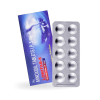

Isordil is a reliable medication designed to help manage certain cardiovascular conditions. This product is available over the counter (OTC), making it easily accessible for your needs. It works by relaxing blood vessels, which can improve blood flow and reduce the heart’s workload. Many find Isordil to be an effective option for their heart health support. As an OTC product, you can conveniently purchase Isordil without a prescription.
Extra 10% discount with coupon: EXTRA10
Each dosage option has its own packaging options.
Isordil Isosorbide Dinitrate Managing Chest Pain and Heart Disease
Isordil stands as a widely recognized and essential medication in the management of angina pectoris, a condition characterized by chest pain due to reduced blood flow to the heart muscle. For individuals in the United States and worldwide experiencing this discomfort, Isordil offers a vital therapeutic option designed to alleviate symptoms and improve quality of life. This detailed guide aims to provide a thorough understanding of this important medication, covering its mechanism of action, appropriate use, potential effects, and how it compares to other treatments.
The core purpose of Isordil is to address the underlying issue of constricted blood vessels that lead to angina. By acting directly on the cardiovascular system, it helps to restore a more balanced supply of oxygen-rich blood to the heart, thus preventing or reducing the severity of anginal attacks. Our comprehensive overview will delve into the specific details that make Isordil an effective choice for many patients seeking relief from angina, ensuring you have the information needed to understand its role in cardiac care.
What is Isordil and How Does It Work?
Isordil is a medication primarily used for the treatment and prevention of angina pectoris, more commonly known as chest pain. Its active ingredient is isosorbide dinitrate, a type of organic nitrate. Nitrates have been a cornerstone of angina therapy for many decades due to their direct action on blood vessels.
Angina occurs when the heart muscle does not receive enough oxygen-rich blood. This imbalance typically happens during physical exertion or emotional stress, when the heart’s demand for oxygen increases. In individuals with coronary artery disease, the arteries supplying blood to the heart can become narrowed or hardened, limiting blood flow. Isosorbide dinitrate works by relaxing and widening blood vessels, a process known as vasodilation. This effect is particularly pronounced in the veins, leading to a reduction in the amount of blood returning to the heart (preload). By reducing preload, the heart does not have to work as hard to pump blood, which in turn decreases its oxygen demand.
Furthermore, isosorbide dinitrate also causes some dilation of the coronary arteries themselves. This can improve blood flow directly to the heart muscle, especially in areas where blood supply might be compromised due to narrowing. The dual action of reducing the heart’s workload and potentially increasing blood supply makes Isordil effective in both preventing anginal attacks and providing relief during an acute episode, depending on the specific formulation. It is available in different forms, including oral tablets for sustained relief and sublingual tablets for more rapid onset of action to abort an acute attack.
The effectiveness of Isordil stems from its ability to release nitric oxide within the body. Nitric oxide is a natural vasodilator that signals smooth muscle cells in blood vessel walls to relax. By mimicking this natural process, isosorbide dinitrate provides a powerful and immediate means to improve blood flow dynamics and alleviate the discomfort associated with angina. Understanding this fundamental mechanism is key to appreciating why Isordil is a crucial component in the therapeutic regimen for many individuals managing chronic angina.
Key Benefits of Isordil
Isordil, with its active ingredient isosorbide dinitrate, offers several significant benefits for individuals suffering from angina pectoris. These benefits contribute to both immediate relief and long-term management of the condition, enhancing the overall quality of life for patients.
-
Effective Angina Relief: The primary benefit of Isordil is its proven efficacy in alleviating the chest pain associated with angina. For those experiencing acute anginal attacks, sublingual forms can provide rapid relief, often within minutes. Oral formulations are designed for sustained release, working to prevent future episodes.
-
Improved Exercise Tolerance: By improving blood flow to the heart and reducing its workload, Isordil can significantly enhance an individual’s ability to engage in physical activities without experiencing angina. This means patients may be able to walk further, climb stairs, or perform daily tasks with less discomfort and a greater sense of security.
-
Reduction in Frequency of Attacks: Regular use of oral Isordil formulations, particularly sustained-release tablets, helps to reduce the number of anginal episodes over time. This prophylactic effect is crucial for managing chronic stable angina, providing consistent protection against pain and discomfort.
-
Versatile Dosing Options: The availability of Isordil in various strengths and forms allows for flexible dosing strategies tailored to individual patient needs. Whether rapid relief is required or a sustained preventive effect, there is a formulation to suit the specific clinical scenario.
-
Enhanced Quality of Life: Living with angina can be debilitating, impacting daily activities and causing significant anxiety. By effectively controlling symptoms and reducing the fear of an attack, Isordil contributes to a much-improved quality of life, allowing individuals to participate more fully in their daily routines and enjoy a greater sense of well-being.
How to Use Isordil
Proper administration of Isordil is crucial to maximize its therapeutic benefits and minimize potential side effects. The way Isordil is taken depends on its specific formulation, which is designed either for rapid relief of acute angina or for sustained prevention.
For Oral Tablets (Swallowed): These tablets are typically prescribed for the prevention of anginal attacks. They are taken regularly, usually two or three times a day, to provide a sustained effect. It is important to swallow these tablets whole with water and not to chew, crush, or break them, as this can affect their controlled release mechanism. For the oral formulations, it is often recommended to incorporate a “nitrate-free interval” each day. This means there should be a period, typically 8-12 hours overnight, where no Isordil or other nitrate medications are taken. This interval helps to prevent the development of tolerance, where the body becomes less responsive to the medication’s effects over time. Consistency in timing doses is important for maintaining steady levels of the medication in your system.
For Sublingual Tablets (Placed Under the Tongue): Sublingual Isordil is used for the rapid relief of an acute anginal attack or for prevention just before engaging in activities known to trigger angina. When an anginal attack occurs, place one tablet under your tongue and allow it to dissolve completely. Do not swallow the tablet whole. You should feel a tingling sensation under the tongue as the medication begins to absorb. Relief usually begins within 2 to 5 minutes. If chest pain is not relieved after 5 minutes, you may take a second tablet. If pain persists after a total of three tablets taken over 15 minutes, it is important to seek immediate medical attention. For prophylactic use before activities, take one tablet approximately 5 to 10 minutes prior to the activity.
Regardless of the formulation, always adhere to the specific instructions provided. It is important to understand the correct dosage and schedule for your particular situation. If a dose of an oral tablet is missed, take it as soon as you remember, unless it is almost time for your next scheduled dose. In that case, skip the missed dose and resume your regular dosing schedule. Do not double up on doses. Store Isordil tablets at room temperature, away from moisture, heat, and direct light, and keep them in their original container. Always keep this and all medications out of reach of children.
Potential Side Effects
Like all medications, Isordil can cause side effects, although not everyone experiences them. Most side effects are mild and transient, particularly when the body adjusts to the medication. However, it’s important to be aware of them.
Common Side Effects:
-
Headache: This is the most common side effect and is often described as a throbbing headache. It occurs because Isordil causes blood vessels in the brain to widen. Headaches usually diminish in severity or disappear with continued use as the body adapts. Over-the-counter pain relievers may sometimes be used to manage these headaches.
-
Dizziness or Lightheadedness: These symptoms can occur due to a temporary drop in blood pressure as a result of vasodilation. It is often more noticeable when rising quickly from a sitting or lying position (orthostatic hypotension). To minimize this, change positions slowly.
-
Flushing: A feeling of warmth or redness in the face and neck is another common vasodilator effect.
-
Nausea or Vomiting: Some individuals may experience mild stomach upset.
-
Weakness: A general feeling of weakness or fatigue can sometimes occur.
Less Common but More Serious Side Effects:
While rare, some side effects may indicate a more significant issue. These include:
-
Severe Hypotension (Very Low Blood Pressure): Symptoms may include extreme dizziness, fainting, blurred vision, or confusion. This is particularly concerning and requires attention.
-
Increased Angina (Paradoxical Angina): In very rare cases, medication intended to relieve angina can paradoxically worsen it, especially if blood pressure drops too low.
-
Allergic Reactions: Signs might include rash, itching, swelling (especially of the face, tongue, or throat), severe dizziness, or trouble breathing.
-
Methoglobinemia: An extremely rare but serious condition where the blood’s ability to carry oxygen is reduced. Symptoms include bluish skin, lips, and nails, unusual fatigue, or shortness of breath.
It is important to pay close attention to how your body responds to Isordil. While many side effects are mild and resolve on their own, any persistent, worsening, or severe symptoms should be noted.
Drug Interactions
Drug interactions can significantly alter how medications work in the body, potentially increasing side effects or reducing effectiveness. It is crucial to be aware of potential interactions when taking Isordil.
Severe Interactions (Contraindicated):
-
PDE5 Inhibitors: The most critical interaction is with phosphodiesterase-5 (PDE5) inhibitors, such as sildenafil, tadalafil, and vardenafil. These medications are commonly used for erectile dysfunction or pulmonary hypertension. Co-administration of Isordil with any PDE5 inhibitor can lead to a dangerously severe and prolonged drop in blood pressure (hypotension), which can be life-threatening. This combination is absolutely contraindicated.
-
Riociguat: This is a soluble guanylate cyclase stimulator used for pulmonary hypertension. Combining Riociguat with Isordil or any other nitrate is strictly contraindicated due to the risk of severe hypotension.
Other Significant Interactions:
-
Other Blood Pressure-Lowering Medications: Taking Isordil with other drugs that lower blood pressure, such as beta-blockers, calcium channel blockers, ACE inhibitors, or diuretics, can potentiate the hypotensive effect. This may lead to excessive dizziness, lightheadedness, or fainting. Careful monitoring may be necessary.
-
Alcohol: Consuming alcohol while taking Isordil can also intensify the blood pressure-lowering effect, potentially causing significant dizziness and fainting. It is generally advisable to limit or avoid alcohol consumption.
-
Migraine Medications (e.g., Ergot Alkaloids): While less common, some migraine medications containing ergot alkaloids (like ergotamine) can interact with nitrates. This interaction may result in reduced anti-anginal effect of Isordil or increased adverse effects.
Always maintain an updated list of all medications you are currently taking, including prescription drugs, over-the-counter medications, herbal supplements, and vitamins. Share this information so that a complete assessment of potential interactions can be made. This proactive approach helps ensure the safe and effective use of Isordil in your treatment plan.
Important Considerations and Precautions
When considering or using Isordil, several important precautions and considerations should be kept in mind to ensure its safe and effective application, particularly for individuals in the United States and globally managing cardiac conditions.
Hypotension Risk: Isordil is a potent vasodilator, meaning it widens blood vessels. This effect can lead to a significant drop in blood pressure, especially upon initial dosing or dose increases. Individuals, particularly the elderly, those with low blood volume, or those taking other hypotensive medications, are at an increased risk for symptomatic hypotension, which can manifest as dizziness, lightheadedness, and even fainting. It is crucial to change positions slowly, especially when rising from a sitting or lying position.
Tolerance Development: One of the notable challenges with long-term nitrate therapy, including Isordil, is the development of tolerance (tachyphylaxis). This means that with continuous exposure, the body may become less responsive to the drug’s effects, requiring higher doses to achieve the same therapeutic outcome. To mitigate this, a daily “nitrate-free interval” is typically recommended for oral formulations. This interval, usually 8 to 12 hours, allows the body to restore its sensitivity to the nitrate, maintaining its effectiveness for angina prevention.
Specific Medical Conditions:
-
Severe Anemia: Isordil should be used with extreme caution or avoided in individuals with severe anemia, as the drug can worsen tissue hypoxia (lack of oxygen) by causing inappropriate vasodilation.
-
Increased Intracranial Pressure: Patients with head trauma or cerebral hemorrhage should use nitrates cautiously, as vasodilation can further increase intracranial pressure.
-
Glaucoma: While nitrates can cause a slight increase in intraocular pressure, it is usually not clinically significant in most patients with glaucoma. However, caution is advised.
-
Hypertrophic Obstructive Cardiomyopathy (HOCM): In patients with HOCM, nitrates can paradoxically worsen outflow tract obstruction and lead to more severe symptoms or syncope. Isordil is generally contraindicated in this condition.
-
Right Ventricular Infarction: Nitrates can significantly reduce preload, which is critical for maintaining cardiac output in patients with right ventricular infarction. Their use should be avoided in this specific type of heart attack.
Driving and Operating Machinery: Due to the potential for dizziness or lightheadedness, especially at the start of treatment or after a dose change, individuals taking Isordil should exercise caution when driving or operating heavy machinery. It is advisable to understand how the medication affects you before engaging in such activities.
Withdrawal: Abrupt discontinuation of long-term nitrate therapy should be avoided, as it can lead to a rebound increase in anginal attacks. Any changes to your medication regimen should be gradual.
By understanding these important considerations, individuals can use Isordil more safely and effectively as part of their comprehensive angina management plan.
| Characteristic | Details for Isordil (Isosorbide Dinitrate) |
|---|---|
| Active Ingredient | Isosorbide dinitrate |
| Primary Use | Prevention and treatment of angina pectoris (chest pain) |
| Dosage Forms | Oral tablets (regular and extended-release), Sublingual tablets |
| Mechanism of Action | Relaxes smooth muscle in blood vessel walls, causing vasodilation; reduces cardiac preload and afterload, improving blood flow to the heart. |
| Onset of Action | Sublingual: 2-5 minutes Oral: 20-60 minutes |
| Duration of Action | Sublingual: 1-3 hours Oral: 4-6 hours (up to 8-12 hours for extended-release) |
| Common Side Effects | Headache, dizziness, flushing, hypotension, nausea |
Choosing the right medication for angina depends on individual needs and the specific type of chest pain experienced. While Isordil is a highly effective nitrate, other nitrates are also commonly used. Below is a comparison table outlining Isordil alongside some popular alternatives, focusing on their active ingredients, primary uses, and key differences.
| Drug Name | Active Ingredient | Primary Use | Key Differences / Benefits |
|---|---|---|---|
| Isordil | Isosorbide dinitrate | Prevention and treatment of angina | Available in sublingual form for rapid relief and oral forms for sustained prevention. Requires nitrate-free interval to prevent tolerance. |
| Nitrostat / Nitrolingual | Nitroglycerin | Acute angina relief, short-term prevention | Very rapid onset (1-3 min) for sublingual/spray. Short duration (30-60 min). Also available in patches, ointments, oral extended-release, and IV for various uses. Primary rescue medication. |
| Imdur / Monoket | Isosorbide mononitrate | Angina prevention | Active metabolite of isosorbide dinitrate. Has a simpler, more consistent pharmacokinetic profile with a longer half-life, allowing once-daily dosing for many sustained-release formulations. Less prone to first-pass metabolism than isosorbide dinitrate. Also requires a nitrate-free interval. |
Frequently Asked Questions About Isordil
Here are some of the most common questions about Isordil to help you better understand this medication.
-
How quickly does sublingual Isordil work to relieve chest pain?
Sublingual Isordil (placed under the tongue) is designed for rapid absorption and typically starts to work within 2 to 5 minutes to relieve acute anginal chest pain. Its effects usually last for 1 to 3 hours.
-
Can I take Isordil every day?
Yes, oral formulations of Isordil are often prescribed for daily use to prevent anginal attacks. However, it is usually recommended to include a “nitrate-free interval” (typically 8-12 hours, often overnight) to prevent the body from developing tolerance to the medication’s effects.
-
What is the purpose of a “nitrate-free interval”?
A nitrate-free interval is a period during the day (usually when you are least active, such as overnight) when you do not take Isordil or other nitrates. This allows your body to regain its sensitivity to the medication, preventing the development of tolerance and maintaining its effectiveness over time.
-
Can Isordil cause headaches?
Yes, headaches are a very common side effect of Isordil and other nitrates. They occur because the medication widens blood vessels, including those in the brain. These headaches often lessen or disappear with continued use as your body adjusts.
-
Is Isordil the same as nitroglycerin?
Both Isordil (isosorbide dinitrate) and nitroglycerin are nitrates used to treat angina, and they work by similar mechanisms (vasodilation). However, they are distinct medications with different potencies, durations of action, and typical uses. Nitroglycerin is often preferred for immediate, short-term relief, while Isordil is commonly used for both acute relief (sublingual) and longer-term prevention (oral forms).
-
What should I do if I experience dizziness after taking Isordil?
Dizziness or lightheadedness can occur due to a temporary drop in blood pressure. To minimize this, change positions slowly, especially when getting up from a sitting or lying position. If dizziness is severe or persistent, it is advisable to rest and report this symptom.
-
Can I chew or crush oral Isordil tablets?
No, oral Isordil tablets (swallowed) should be swallowed whole with water. Chewing, crushing, or breaking them can alter their controlled-release mechanism, potentially leading to too much medication being absorbed at once or reducing its sustained effect.
-
How should I store Isordil?
Isordil should be stored at room temperature, away from excessive moisture and heat. Keep the tablets in their original, tightly closed container and protect them from light. Always keep all medications out of the reach of children.
Patient Testimonials
Here are some testimonials from individuals who have used Isordil to manage their angina:
“For years, my daily walks were cut short by unpredictable chest pain. Since I started taking Isordil as part of my regimen, it’s been a game-changer. The oral tablets have significantly reduced the frequency of my attacks, and I feel so much more confident and active. It’s truly helped me reclaim parts of my life I thought I’d lost. My experience in the USA has been excellent, and I’m grateful for this treatment option.” – Mark T.
“I used to dread any strenuous activity because I knew angina would follow. My healthcare provider recommended Isordil, and I’ve noticed a remarkable difference. Not only are my anginal episodes fewer and farther between, but the rapid-acting tablets provide quick comfort when I need it most. I can now enjoy spending time with my grandchildren without constant worry.” – Sarah L.
In summary, Isordil remains a vital medication in the therapeutic arsenal against angina pectoris. With its active ingredient, isosorbide dinitrate, it works diligently to alleviate chest pain, improve exercise tolerance, and reduce the overall frequency of anginal attacks. Understanding its mechanism, proper usage, and potential interactions empowers individuals to effectively manage their heart health. Isordil continues to offer a significant pathway to enhanced well-being and a more active life for those living with angina.
| Dosage | 5mg, 10mg |
|---|---|
| Package | 60 pills, 90 pills, 120 pills, 180 pills, 270 pills, 360 pills |
| Active Ingredient | isosorbide dinitrate |
Be the first to review “Isordil”
You must be logged in to post a review.
Related products


Reviews
There are no reviews yet.