

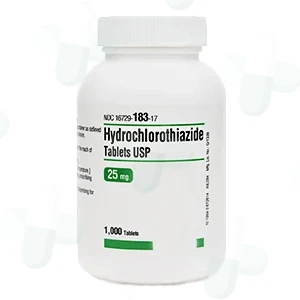
Hydrochlorothiazide


Hydrochlorothiazide is a widely used medication primarily prescribed to treat high blood pressure (hypertension) and edema. It works by helping your body get rid of excess salt and water, which can lower blood pressure and reduce swelling. This effective diuretic is a cornerstone in managing cardiovascular health for many individuals. We are pleased to offer Hydrochlorothiazide as an over-the-counter (OTC) product, making it easily accessible for your needs. Choose Hydrochlorothiazide for reliable support in maintaining healthy blood pressure and fluid balance.
Extra 10% discount with coupon: EXTRA10
Each dosage option has its own packaging options.
Hydrochlorothiazide Exploring its Pharmacology Clinical Applications and Patient Guidance
Hydrochlorothiazide, often referred to by its abbreviated form HCTZ, is a widely recognized and frequently used medication that belongs to a class of drugs known as thiazide diuretics. This powerful pharmaceutical agent plays a pivotal role in managing various conditions primarily related to fluid retention and high blood pressure. By influencing the delicate balance of fluids and electrolytes within the body, Hydrochlorothiazide assists millions of individuals across the United States and globally in maintaining better cardiovascular health and reducing uncomfortable symptoms caused by excess fluid.
This detailed guide aims to provide a comprehensive understanding of Hydrochlorothiazide, covering its mechanism of action, approved therapeutic uses, potential side effects, important precautions, and how it compares to other similar medications. Our goal is to equip you with robust information to fully appreciate the utility and importance of this medication in contemporary medicine, helping you navigate the complexities of managing conditions like hypertension and edema with greater confidence and knowledge.
Understanding Hydrochlorothiazide and its Role in Cardiovascular Health
Hydrochlorothiazide is a cornerstone medication in the management of two widespread health issues: high blood pressure (hypertension) and edema (fluid retention). Its efficacy stems from its ability to act as a diuretic, commonly known as a “water pill.” This medication helps the body eliminate excess water and salt, which in turn can significantly alleviate symptoms and contribute to overall well-being. By reducing the volume of fluid in the bloodstream, Hydrochlorothiazide lessens the workload on the heart and blood vessels, thereby lowering blood pressure and diminishing swelling.
Mechanism of Action
The fundamental action of Hydrochlorothiazide lies in its interaction with the kidneys, the body’s primary organs responsible for filtering waste and regulating fluid balance. Specifically, Hydrochlorothiazide works by inhibiting the reabsorption of sodium and chloride ions in the distal convoluted tubules of the nephron, which is a key functional unit within the kidney. Normally, the kidneys would reabsorb these ions back into the bloodstream. However, by blocking this process, Hydrochlorothiazide causes more sodium and chloride to remain in the tubular fluid.
Water naturally follows sodium. Therefore, by increasing the amount of sodium and chloride in the urine, Hydrochlorothiazide leads to increased excretion of water, consequently boosting urine output. This enhanced excretion of water and salt helps to reduce the total fluid volume in the body. For individuals with hypertension, this reduction in fluid volume decreases the pressure on the walls of blood vessels, leading to a direct lowering of blood pressure. In cases of edema, the removal of this excess fluid reduces swelling in affected areas such as the ankles, legs, or abdomen, providing symptomatic relief. Furthermore, Hydrochlorothiazide also has a vasodilatory effect, meaning it can help relax and widen blood vessels, which contributes to its blood pressure-lowering capabilities independently of its diuretic action. This dual mechanism makes it a highly effective agent in cardiovascular management.
Approved Indications in Detail
Hydrochlorothiazide is approved for several important medical conditions, primarily focusing on managing fluid balance and blood pressure. Its applications are broad and impactful for millions of people.
Hypertension (High Blood Pressure)
One of the most significant and widespread uses of Hydrochlorothiazide is in the treatment of essential hypertension, commonly known as high blood pressure. Hypertension is a condition where the long-term force of the blood against your artery walls is high enough that it may eventually cause health problems, such as heart disease. As a first-line treatment, Hydrochlorothiazide is highly effective in lowering elevated blood pressure by reducing fluid volume and exerting a mild vasodilatory effect. It is often used as a single agent for mild to moderate hypertension, or in combination with other antihypertensive medications to achieve better blood pressure control, particularly in patients who do not respond adequately to a single drug. Its ability to effectively reduce cardiovascular risk factors makes it a staple in long-term blood pressure management strategies.
Edema (Fluid Retention)
Hydrochlorothiazide is also extensively used to treat various forms of edema, which is the medical term for swelling caused by excess fluid trapped in your body’s tissues.
Edema associated with Congestive Heart Failure: In this condition, the heart’s pumping ability is compromised, leading to fluid buildup in the lungs, legs, and other parts of the body. Hydrochlorothiazide helps to alleviate these symptoms by removing the excess fluid, improving breathing, and reducing swelling, thereby enhancing the patient’s quality of life.
Edema associated with Kidney Disease: Certain kidney diseases can impair the kidneys’ ability to excrete salt and water, leading to significant fluid retention. Hydrochlorothiazide assists the kidneys in this function, helping to reduce edema and manage fluid overload in patients with stable kidney function.
Edema associated with Liver Cirrhosis: Liver cirrhosis, particularly when accompanied by ascites (fluid accumulation in the abdomen), is another condition where Hydrochlorothiazide can be beneficial. It helps to reduce fluid buildup, often in conjunction with potassium-sparing diuretics, to manage the symptoms of liver disease.
Other Edematous States: Hydrochlorothiazide may also be used to manage edema caused by other factors, such as corticosteroid therapy or certain types of nephrotic syndrome, where excess fluid accumulation is a significant concern.
The consistent and proper use of Hydrochlorothiazide can lead to significant improvements in these conditions, providing relief from discomfort and contributing to better health outcomes.
Dosage and Administration Considerations
The administration of Hydrochlorothiazide is typically oral, in tablet form. The appropriate dosage of Hydrochlorothiazide can vary significantly depending on the specific condition being treated, the patient’s individual response, and other medical factors. It is usually taken once daily.
For hypertension, the initial dose is often lower, with adjustments made over time to achieve the desired blood pressure target. Many patients find that taking Hydrochlorothiazide in the morning is preferable, as its diuretic effect can lead to increased urination, which might disrupt sleep if taken later in the day. It can be taken with or without food, but taking it with food might help reduce the likelihood of stomach upset. Consistency is key; taking the medication at the same time each day helps maintain stable levels in the body and maximizes its therapeutic benefits. Patients should be mindful of their fluid intake, as the medication promotes water excretion. It is important to stay hydrated, unless specifically advised otherwise, to prevent dehydration, but avoid excessive intake that could counteract the diuretic effect.
Potential Side Effects and Important Considerations
While Hydrochlorothiazide is a highly effective medication for many, like all pharmaceuticals, it can be associated with certain side effects. Understanding these potential effects is crucial for safe and effective use.
Potential Side Effects and Management
Side effects from Hydrochlorothiazide can range from mild and temporary to more serious. It is important to be aware of these and to know when to seek medical attention.
Common Side Effects:
Increased Urination: This is a direct consequence of the medication’s diuretic action and is expected.
Dizziness or Lightheadedness: Especially when standing up quickly, due to a drop in blood pressure. This is known as orthostatic hypotension. To mitigate this, stand up slowly from a sitting or lying position.
Electrolyte Imbalances:
Hypokalemia (Low Potassium): Hydrochlorothiazide can cause the body to excrete more potassium. Symptoms might include muscle weakness, cramps, or an irregular heartbeat. Dietary potassium intake or potassium supplements might be recommended.
Hyponatremia (Low Sodium): Symptoms include headache, confusion, weakness, and fatigue.
Hypomagnesemia (Low Magnesium): Can lead to muscle cramps, tremors, and weakness.
Hypercalcemia (High Calcium): Unlike other electrolytes, Hydrochlorothiazide can slightly increase blood calcium levels.
Dehydration: Excessive fluid loss can lead to dehydration, especially in hot weather or during prolonged physical activity. Symptoms include extreme thirst, dry mouth, and reduced urination.
Increased Blood Sugar Levels: Hydrochlorothiazide can sometimes elevate blood glucose, particularly in individuals predisposed to diabetes.
Increased Uric Acid Levels: This can precipitate or worsen gout attacks in susceptible individuals.
Nausea, Vomiting, Diarrhea, or Constipation: Gastrointestinal disturbances can occur.
Headache: A common, generally mild side effect.
Skin Sensitivity to Sunlight: Individuals may become more susceptible to sunburn. Protective clothing and sunscreen are recommended.
Less Common or Serious Side Effects (Seek Medical Attention Immediately if Experienced):
Allergic Reactions: Rash, itching, swelling (especially of the face, tongue, or throat), severe dizziness, trouble breathing.
Severe Electrolyte Imbalances: Extreme weakness, severe muscle cramps, irregular heartbeat, seizures, confusion.
Vision Problems: Sudden decrease in vision or eye pain, which could be symptoms of fluid accumulation in the vascular layer of the eye or acute angle-closure glaucoma.
Kidney Problems: Signs of kidney issues such as changes in the amount of urine, swelling in the feet or ankles, unusual tiredness.
Pancreatitis: Severe stomach pain, nausea, vomiting.
Blood Disorders: Unusual bleeding or bruising, persistent sore throat, fever.
Being vigilant for these symptoms and discussing any concerns with a healthcare professional is vital for ensuring your safety and optimizing your treatment outcomes.
Key Characteristics of Hydrochlorothiazide
| Feature | Description | Functionality for different conditions, pros and cons compared to HCTZ. |
| :———————– | :———————————————————————————————————————————————————————————————————————————————————————————————————————————————————————————————————————————————————————————————————————————————————————————————————————————————————————————————————————————————————————————————————————————————————————————————————————————————————————————————————————————————————————————————————————————————————————————————————————————————————————————————————————————————————————————————————————————————————————————————————————————————————————————————————————————————————————————————————————————————————————————————————————————————————————————————————————————————————————————————————————————————————————————————————————————————————————————————————————————————————————————————————————————————————————————————————————————————————————————————————————————————————————————————————————————————————————————————————————————————————————————————————————————————————————————————————————————————————————————————————————————————————————————————————————————————————————————————————————————————————————————————————————————————————————————————————————————————————————————————————————————————————————————————————————————————————————————————————————————————————————————————————————————————————————————————————————————————————————————————————————————————————————————————————————————————————————————————————————————————————————————————————————————————————————————————————————————————————————————————————————————————————————————————————————————————————————————————————————————————————————————————————————————————————————————————————————————————————————————————————————————————————————————————————————————————————————————————————————————————————————————————————————————————————————————————————————————————————————————————————————————————————————————————————————————————————————————————————————————————————————————————————————————————————————————————————————————————————————————————————————————————————————————————————————————————————————————————————————————————————————————————————————————————————————————————————————————————————————————————————————————————————————————————————————————————————————————————————————————————————————————————————————————————————————————————————————————————————————————————————————————————————————————————————————————————————————————————————————————————————————————————————————————————————————————————————————————————————————————————————————————————————————————————————————————————————————————————————————————————————————————————————————————————————————————————————————————————————————————————————————————————————————————————————————————————————————————————————————————————————————————————————————————————————————————————————————————————————————————————————————————————————————————————————————————————————————————————————————————————————————————————————————————————————————————————————————————————————————————————————————————————————————————————————————————————————————————————————————————————————————————————————————————————————————————————————————————————————————————————————————————————————————————————————————————————————————————————————————————————————————————————————————————————————————————————————————————————————————————————————————————————————————————————————————————————————————————————————————————————————————————————————————————————————————————————————————————————————————————————————————————————————————————————————————————————————————————————————————————————————————————————————————————————————————————————————————————————————————————————————————————————————————————————————————————————————————————————————————————————————————————————————————————————————————————————————————————————————————————————————————————————————————————————————————————————————————————————————————————————————————————————————————————————————————————————————————————————————————————————————————————————————————————————————————————————————————————————————————————————————————————————————————————————————————————————————————————————————————————————————————————————————————————————————————————————————————————————————————————————————————————————————————————————————————————————————————————————————————————————————————————————————————————————————————————————————————————————————————————————————————————————————————————————————————————————————————————————————————————————————————————————————————————————————————————————————————————————————————————————————————————————————————————————————————————————————————————————————————————————————————————————————————————————————————————————————————————————————————————————————————————————————————————————————————————————————————————————————————————————————————————————————————————————————————————————————————————————————————————————————————————————————————————————————————————————————————————————————————————————————————————————————————————————————————————————————————————————————————————————————————————————————————————————————————————————————————————————————————————————————————————————————————————————————————————————————————————————————————————————————————————————————————————————————————————————————————————————————————————————————————————————————————————————————————————————————————————————————————————————————————————————————————————————————————————————————————————————————————————————————————————————————————————————————————————————————————————————————————————————————————————————————————————————————————————————————————————————————————————————————————————————————————————————————————————————————————————————————————————————————————————————————————————————————————————————————————————————————————————————————————————————————————————————————————————————————————————————————————————————————————————————————————————————————————————————————————————————————————————————————————————————————————————————————————————————————————————————————————————————————————————————————————————————————————————————————————————————————————————————————————————————————————————————————————————————————————————————————————————————————————————————————————————————————————————————————————————————————————————————————————————————————————————————————————————————————————————————————————————————————————————————————————————————————————————————————————————————————————————————————————————————————————————————————————————————————————————————————————————————————————————————————————————————————————————————————————————————————————————————————————————————————————————————————————————————————————————————————————————————————————————————————————————————————————————————————————————————————————————————————————————————————————————————————————————————————————————————————————————————————————————————————————————————————————————————————————————————————————————————————————————————————————————————————————————————————————————————————————————————————————————————————————————————————————————————————————————————————————————————————————————————————————————————————————————————————————————————————————————————————————————————————————————————————————————————————————————————————————————————————————————————————————————————————————————————————————————————————————————————————————————————————————————————————————————————————————————————————————————————————————————————————————————————— |
| Drug Class | Thiazide Diuretic |
| Active Ingredient | Hydrochlorothiazide |
| Uses | Management of essential hypertension (high blood pressure) and various forms of edema (e.g., associated with heart failure, liver cirrhosis, nephrotic syndrome, acute glomerulonephritis, and chronic renal failure). Used to reduce fluid retention and swelling. |
| Mechanism | Hydrochlorothiazide acts in the kidneys by inhibiting sodium reabsorption in the distal convoluted tubule. This leads to increased excretion of sodium, chloride, and consequently water, reducing overall fluid volume and blood pressure. It also has a mild vasodilatory effect. |
| Onset of Action | Typically within 2 hours after oral administration. |
| Duration | Typically 6-12 hours, allowing for once-daily dosing. |
| Primary Uses | Hypertension, Edema (heart failure, kidney disease, liver disease). |
| Therapeutic Class | Diuretic, Antihypertensive |
| Mechanism | Hydrochlorothiazide acts in the kidneys by inhibiting sodium reabsorption in the distal convoluted tubule. This leads to increased excretion of sodium, chloride, and consequently water, reducing overall fluid volume and blood pressure. It also has a mild vasodilatory effect. |
| Onset of Action | Typically within 2 hours after oral administration. |
| |
Comparison with Analogues
When considering the comprehensive landscape of diuretic therapy, it’s beneficial to understand how Hydrochlorothiazide compares to other common diuretics. While all diuretics share the overarching goal of increasing urine output and fluid excretion, they achieve this through different mechanisms and are therefore suited for varying clinical scenarios.
| Feature | Hydrochlorothiazide (Thiazide Diuretic) | Furosemide (Loop Diuretic) | Spironolactone (Potassium-Sparing Diuretic) |
| :——————– | :———————————————————————— | :—————————————————————- | :————————————————————— |
| Primary Action Site | Distal Convoluted Tubule | Loop of Henle | Collecting Duct (aldosterone antagonist) |
| Diuretic Potency | Moderate. Primarily used for long-term management of fluid and blood pressure. | High. Stronger and faster diuretic effect, often for acute fluid overload. | Weak. Often used in combination, primarily for its potassium-sparing effect. |
| Electrolyte Effects | Lowers K+, Na+, Mg++; Raises Ca++ (mildly); Raises Blood Glucose, Uric Acid. | Lowers K+, Na+, Mg++, Ca++. Significant electrolyte depletion can occur. | Raises K+; Mildly lowers Na+. Minimizes potassium loss from other diuretics. |
| Main Indications | Mild to moderate hypertension (first-line); Edema (chronic management). | Severe edema (congestive heart failure, kidney failure, liver cirrhosis); Acute pulmonary edema. | Edema (especially hyperaldosteronism); Heart failure; Hypertension (often resistant). |
| Blood Pressure Lowering | Effective for hypertension, often a first-line choice, sustained effect. | Effective for reducing volume, but less direct BP control in long term compared to HCTZ. | Modest BP lowering; particularly useful for resistant hypertension or in combination. |
| Metabolism/Excretion | Primarily renal excretion. | Primarily renal excretion. | Hepatic metabolism to active metabolites, renal excretion. |
| Considerations | Long-term safety, good for chronic conditions. Can impact blood sugar and uric acid. | Rapid and potent. Close monitoring for dehydration and electrolyte imbalances. | Prevents potassium loss. Can cause hyperkalemia (high potassium). Hormonal side effects possible. |
This comparison highlights that while Hydrochlorothiazide is excellent for long-term, stable management of hypertension and chronic edema, other diuretics like Furosemide are preferred for rapid, potent fluid removal in acute situations, and Spironolactone serves a unique role in electrolyte balance and specific forms of heart failure.
Important Precautions and Drug Interactions
Understanding precautions and potential drug interactions is vital for ensuring the safe use of Hydrochlorothiazide**. This medication, while effective, can interact with other drugs or be contraindicated in certain medical conditions.
Drug Interactions:
Nonsteroidal Anti-inflammatory Drugs (NSAIDs): Medications like ibuprofen or naproxen can reduce the blood pressure-lowering effect of Hydrochlorothiazide and may increase the risk of kidney problems.
Lithium: Hydrochlorothiazide can decrease the renal clearance of lithium, leading to increased lithium levels and potential toxicity.
Corticosteroids: Concomitant use with corticosteroids may enhance the depletion of potassium, increasing the risk of hypokalemia.
Other Antihypertensive Agents: When used with other blood pressure-lowering drugs, there is an increased risk of additive hypotensive effects, potentially leading to excessive drops in blood pressure.
Antidiabetic Medications: Hydrochlorothiazide can raise blood glucose levels, potentially requiring adjustments in dosages of insulin or oral antidiabetic agents.
Cholestyramine and Colestipol Resins: These medications can reduce the absorption of Hydrochlorothiazide from the gastrointestinal tract. It’s advisable to take Hydrochlorothiazide at least one hour before or four hours after these agents.
Digitalis Glycosides (e.g., Digoxin): Electrolyte imbalances, particularly hypokalemia induced by Hydrochlorothiazide, can increase the sensitivity to the toxic effects of digitalis.
Alcohol, Barbiturates, or Narcotics: These substances can increase the risk of orthostatic hypotension when taken with Hydrochlorothiazide.
Precautions for Specific Conditions:
Kidney Impairment: While used for edema associated with kidney disease, patients with severe kidney impairment might find Hydrochlorothiazide less effective. Close monitoring of kidney function is important.
Liver Impairment: In patients with impaired liver function or progressive liver disease, minor alterations of fluid and electrolyte balance induced by thiazide diuretics may precipitate hepatic coma.
Diabetes: Due to its potential to increase blood glucose, individuals with diabetes or those at risk for developing diabetes require careful monitoring.
Gout: As Hydrochlorothiazide can elevate uric acid levels, it may trigger or worsen gout attacks in individuals with a history of the condition.
Systemic Lupus Erythematosus (SLE): Thiazide diuretics have been reported to exacerbate or activate systemic lupus erythematosus.
Allergies: Individuals with a history of allergic reactions to sulfonamide-derived drugs (sulfonamides) may have an increased risk of developing an allergic reaction to Hydrochlorothiazide, as it is a sulfonamide derivative.
It is always prudent to review your complete medical history and all current medications with a healthcare provider to identify any potential risks or interactions before beginning or continuing Hydrochlorothiazide therapy.
Storage and Handling
Proper storage of Hydrochlorothiazide helps maintain its effectiveness and safety. Store the medication at room temperature, ideally between 20°C to 25°C (68°F to 77°F), away from moisture, heat, and direct light. Do not store it in the bathroom. Keep the medication in its original container and ensure the lid is tightly closed. It is crucial to keep Hydrochlorothiazide and all medications out of the reach of children and pets to prevent accidental ingestion.
Frequently Asked Questions About Hydrochlorothiazide
Understanding your medication is key to effective treatment. Here are some commonly asked questions about Hydrochlorothiazide:
-
How does Hydrochlorothiazide primarily work to lower blood pressure?
Hydrochlorothiazide primarily lowers blood pressure by causing the kidneys to excrete more sodium and water. This reduces the total volume of fluid circulating in the bloodstream, which in turn decreases the pressure on blood vessel walls. It also has a mild effect on relaxing blood vessels, further contributing to blood pressure reduction.
-
What are the main benefits of using Hydrochlorothiazide for fluid retention?
For fluid retention (edema), Hydrochlorothiazide helps to reduce swelling in areas like the legs, ankles, and abdomen by eliminating excess water and salt from the body. This can alleviate discomfort, improve breathing (especially in cases of lung congestion due to heart failure), and enhance overall physical comfort and mobility.
-
Can Hydrochlorothiazide affect my electrolyte levels?
Yes, Hydrochlorothiazide can affect electrolyte levels. It commonly leads to a decrease in potassium (hypokalemia), sodium (hyponatremia), and magnesium (hypomagnesemia). Less commonly, it can cause a mild increase in calcium (hypercalcemia). Monitoring these levels is important to prevent complications.
-
Is there a specific time of day I should take Hydrochlorothiazide?
It is generally recommended to take Hydrochlorothiazide in the morning. This helps to ensure that the primary diuretic effect occurs during the day, minimizing the need for nighttime urination that could disturb sleep.
-
What should I do if I miss a dose of Hydrochlorothiazide?
If you miss a dose of Hydrochlorothiazide, take it as soon as you remember, unless it’s close to the time for your next scheduled dose. If it is already late in the day (e.g., afternoon or evening), it might be better to skip the missed dose and take your next dose at the regular morning time. Do not double doses to catch up.
-
Can Hydrochlorothiazide make me feel dizzy or lightheaded?
Yes, dizziness or lightheadedness, especially when standing up from a sitting or lying position, is a common side effect of Hydrochlorothiazide. This is due to a temporary drop in blood pressure. To minimize this, try to stand up slowly and avoid sudden movements.
-
How long does it take for Hydrochlorothiazide to start working?
The diuretic effect of Hydrochlorothiazide typically begins within 2 hours after taking an oral dose. Its blood pressure-lowering effects may take longer to fully manifest, often several days to weeks, as the body adjusts to the medication.
-
What lifestyle adjustments can complement Hydrochlorothiazide therapy?
Complementary lifestyle adjustments include maintaining a diet low in sodium, engaging in regular physical activity, managing weight, and avoiding excessive alcohol intake. These measures can enhance the medication’s effectiveness in managing blood pressure and fluid retention, contributing to overall cardiovascular health improvements for individuals in the USA.
Customer Reviews
“I’ve been using Hydrochlorothiazide for my high blood pressure for over a year now, and I can genuinely say it has made a remarkable difference. Before starting this medication, I often felt sluggish and worried about my heart health. Since incorporating HCTZ into my daily routine, my blood pressure readings have been consistently within a healthy range. I feel more energetic, and the peace of mind knowing my cardiovascular system is better managed is invaluable. It’s been a straightforward and effective part of my health strategy, and I’m very grateful for the positive impact it has had on my life.” – Eleanor V., Ohio
“My doctor recommended Hydrochlorothiazide to help with persistent swelling in my legs due to fluid retention. For months, I struggled with discomfort and limited mobility, making daily tasks challenging. Since I started taking this medication, the difference has been incredible. The swelling has significantly decreased, and I can move around much more freely and comfortably. It’s truly helped me get back to enjoying my daily walks and feeling like myself again. I appreciate how effective and manageable this treatment has been for improving my quality of life.” – Robert K., Florida
| Dosage | 12.5 mg, 25mg |
|---|---|
| Package | 30 pills, 60 pills, 90 pills, 120 pills, 180 pills, 270 pills, 360 pills |
| Active Ingredient | hydrochlorothiazide |
Be the first to review “Hydrochlorothiazide”
You must be logged in to post a review.
Related products


Reviews
There are no reviews yet.