


Serevent


Serevent is a trusted medication designed to provide long-acting bronchodilation for the management of asthma and chronic obstructive pulmonary disease (COPD). It helps to relax the muscles in the airways, making breathing easier and reducing symptoms like wheezing and shortness of breath. This product is available over the counter (OTC), offering convenient access to those seeking relief. Serevent is an effective solution for maintaining clear airways and improving respiratory function. Experience enhanced breathing and a better quality of life with Serevent.
Extra 10% discount with coupon: EXTRA10
Each dosage option has its own packaging options.
Understanding Serevent Salmeterol for Long-Term Asthma and COPD Control
Welcome to our detailed guide on Serevent, a trusted medication designed to help individuals in the United States and globally manage chronic respiratory conditions. This page is dedicated to providing you with an in-depth understanding of Serevent, its benefits, proper usage, and what you can expect when incorporating it into your daily health routine. Our aim is to empower you with thorough knowledge about this important therapeutic option, ensuring you have all the necessary information to make informed decisions regarding your respiratory well-being.
Serevent offers a long-acting solution for certain persistent breathing difficulties, playing a crucial role in the daily maintenance treatment of conditions such as asthma and chronic obstructive pulmonary disease (COPD). It is not a rescue inhaler for sudden breathing problems but rather a foundational medication intended for regular, long-term use to improve lung function and prevent symptoms. Explore the various aspects of Serevent as we delve into its mechanism, indications, and how it stands as a vital tool in managing your respiratory health effectively.
Understanding Serevent: Mechanism and Benefits
Serevent is a brand name medication containing the active ingredient salmeterol xinafoate. Salmeterol xinafoate belongs to a class of drugs known as long-acting beta2-adrenergic agonists, or LABAs. This type of medication works by relaxing the smooth muscles in the airways of the lungs, making it easier to breathe. When salmeterol xinafoate is inhaled, it targets specific receptors in the lung tissue, leading to bronchodilation – an opening of the airways that can last for up to 12 hours.
The primary benefit of Serevent lies in its long duration of action. Unlike short-acting bronchodilators that provide quick but temporary relief for acute symptoms, Serevent is formulated to provide sustained airway opening, helping to prevent the recurrence of breathing difficulties over an extended period. This makes it an invaluable part of a daily maintenance regimen for individuals with chronic respiratory conditions.
Key Indications for Serevent
Serevent is indicated for the long-term maintenance treatment of several chronic respiratory conditions. It is essential to understand that Serevent is not for immediate relief of sudden breathing problems or acute bronchospasm. For such situations, a fast-acting rescue inhaler is necessary.
- Asthma: Serevent is approved for the long-term maintenance treatment of asthma in adults and children aged 4 years and older. It is typically used as an add-on therapy for patients whose asthma is not adequately controlled with an inhaled corticosteroid alone, or for those whose disease severity warrants the use of both an inhaled corticosteroid and a LABA. It helps to reduce the frequency and severity of asthma symptoms, particularly nocturnal symptoms, and can improve lung function.
- Chronic Obstructive Pulmonary Disease (COPD): For individuals with COPD, including chronic bronchitis and emphysema, Serevent is used for the long-term maintenance treatment of airflow obstruction. It helps to improve lung function, reduce the incidence of exacerbations, and alleviate symptoms such as shortness of breath, coughing, and wheezing, thereby enhancing overall quality of life.
- Prevention of Exercise-Induced Bronchospasm (EIB): Serevent can also be used to prevent exercise-induced bronchospasm. When inhaled approximately 30-60 minutes before physical activity, it can help to prevent the narrowing of the airways that can occur during or after exercise in susceptible individuals. This allows many people to participate in physical activities with fewer respiratory limitations.
By consistently using Serevent as prescribed, patients can experience significant improvements in their breathing, leading to better sleep, increased physical activity tolerance, and a general reduction in the disruption caused by their respiratory condition. It is a cornerstone medication for managing chronic lung diseases, helping millions across the United States and beyond to lead more active and comfortable lives.
How to Use Serevent: Dosage and Administration
Proper administration of Serevent is vital for its effectiveness. Serevent is available as a Diskus (dry powder inhaler). It is designed for inhalation, delivering the medication directly to the lungs. It is typically used twice daily, approximately every 12 hours.
- Dosage: The usual dosage for adults and children aged 4 years and older for asthma and COPD maintenance is one inhalation (50 mcg salmeterol xinafoate) twice a day, in the morning and in the evening, approximately 12 hours apart. For the prevention of exercise-induced bronchospasm, one inhalation (50 mcg salmeterol xinafoate) should be taken at least 30 to 60 minutes before exercise. Do not use more than one inhalation twice a day for asthma or COPD, and do not use it for EIB more than twice a day.
- Administration with the Diskus:
- Open the Diskus by sliding the outer cover until the mouthpiece is exposed.
- Hold the Diskus level and slide the lever away from you until it clicks. This loads a dose.
- Breathe out fully away from the inhaler.
- Place the mouthpiece in your mouth and close your lips around it.
- Breathe in steadily and deeply through the Diskus.
- Remove the Diskus from your mouth and hold your breath for about 10 seconds, or for as long as is comfortable.
- Breathe out slowly.
- Close the Diskus by sliding the outer cover back into place.
- Rinse your mouth with water and spit it out after each use to help prevent oral thrush, especially if you are also using an inhaled corticosteroid.
It is important to use Serevent regularly, even on days when you feel well, to maintain its preventive effects. Missing doses can reduce its efficacy and lead to a return of symptoms. If you miss a dose, take it as soon as you remember, unless it is almost time for your next dose. In that case, skip the missed dose and resume your regular dosing schedule. Do not take a double dose to make up for a missed one.
Important Considerations and Warnings
While Serevent is a highly effective medication for long-term respiratory management, there are several important considerations and warnings that users should be aware of to ensure its safe and appropriate use.
- Not a Rescue Medication: As previously emphasized, Serevent is not to be used for acute asthma attacks or sudden episodes of shortness of breath. Always have a short-acting beta2-agonist (rescue inhaler) readily available for such emergencies.
- Risk of Serious Asthma-Related Events: LABAs, including salmeterol xinafoate, when used alone for asthma, may increase the risk of asthma-related death. For asthma management, Serevent should typically be used only in combination with an inhaled corticosteroid. This combined therapy is essential for controlling inflammation, which is a key component of asthma.
- Deterioration of Disease: If your symptoms worsen or your short-acting rescue inhaler becomes less effective or you need to use it more often, seek immediate attention. This could indicate a worsening of your underlying condition.
- Cardiovascular Effects: Like all beta-agonists, Serevent can cause cardiovascular effects such as increased heart rate, blood pressure, and, in some cases, arrhythmias. Use with caution in individuals with pre-existing cardiovascular disorders.
- Paradoxical Bronchospasm: In rare cases, Serevent can cause paradoxical bronchospasm, an immediate worsening of breathing after inhalation. If this occurs, discontinue Serevent immediately and use a rescue inhaler.
- Interactions with Other Medications: Serevent can interact with various medications, including certain beta-blockers, diuretics, antidepressants, and other adrenergic drugs. Inform all relevant parties about all medications you are currently using, including over-the-counter drugs and herbal supplements, to avoid potential interactions.
- Specific Populations: Use with caution in individuals with thyrotoxicosis, diabetes mellitus, or seizure disorders.
Understanding these warnings ensures that Serevent is used within its intended therapeutic scope, maximizing its benefits while minimizing potential risks. Adherence to prescribed usage and awareness of any changes in your condition are paramount for effective respiratory management.
Serevent: Characteristics Table
Below is a summary of the key characteristics of Serevent to provide a quick reference for users.
| Characteristic | Description |
|---|---|
| Drug Name | Serevent |
| Active Ingredient | Salmeterol xinafoate |
| Drug Class | Long-Acting Beta2-Adrenergic Agonist (LABA) |
| Formulation | Dry Powder Inhaler (Diskus) |
| Primary Uses | Maintenance treatment of asthma (in combination with inhaled corticosteroids), maintenance treatment of COPD, prevention of exercise-induced bronchospasm. |
| Onset of Action | Relatively slow; bronchodilation typically begins within 10-20 minutes, with peak effects after about 1-3 hours. Not for acute relief. |
| Duration of Action | Approximately 12 hours |
| Dosing Frequency | Twice daily (morning and evening, 12 hours apart) |
| Key Feature | Provides long-term bronchodilation for sustained symptom control; primarily used as a preventive or maintenance medication. |
Comparison with Popular Alternatives
Serevent is one of several long-acting bronchodilators available for managing chronic respiratory conditions. Understanding how it compares to other popular alternatives can help clarify its unique position in the therapeutic landscape. The primary class of alternatives are other LABAs and combination inhalers that pair a LABA with an inhaled corticosteroid (ICS).
| Drug Name (Example Brands) | Active Ingredient(s) | Drug Class | Key Differences / Notes |
|---|---|---|---|
| Serevent (Diskus) | Salmeterol xinafoate | LABA | Provides 12-hour bronchodilation. Not for acute relief. Commonly used in combination with ICS for asthma; can be used alone for COPD. One of the first widely adopted LABAs. |
| Foradil (Aerolizer), Perforomist (solution for nebulizer) | Formoterol fumarate | LABA | Also provides 12-hour bronchodilation. Faster onset of action than salmeterol (within 1-3 minutes), sometimes leading to its consideration for acute relief in certain guidelines, though still primarily a maintenance drug. Available in different formulations (dry powder, nebulizer solution). |
| Arcapta Neohaler, Seebri Neohaler | Indacaterol, Glycopyrrolate | LABA (Indacaterol), LAMA (Glycopyrrolate) | Indacaterol is an ultra-LABA, providing 24-hour bronchodilation. Primarily indicated for COPD. Often available as a single agent or in combination with a LAMA (Long-Acting Muscarinic Antagonist) for enhanced bronchodilation. Once-daily dosing is a significant advantage. |
| Striverdi Respimat | Olodaterol | LABA | Another ultra-LABA, providing 24-hour bronchodilation. Approved for COPD maintenance. Administered once daily via a soft mist inhaler. |
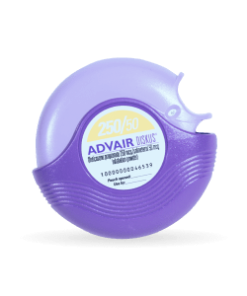
| Advair (Diskus/HFA), Symbicort (Turbuhaler/HFA), Breo (Ellipta) | Fluticasone/Salmeterol (Advair); Budesonide/Formoterol (Symbicort); Fluticasone/Vilanterol (Breo) | ICS/LABA Combination | These are combination inhalers containing both a long-acting beta2-agonist (LABA) and an inhaled corticosteroid (ICS). They are often preferred for asthma management because they address both bronchodilation and underlying inflammation in a single device, reducing the risk of LABA monotherapy. Also widely used for COPD. |
The choice between these medications often depends on the specific condition (asthma vs. COPD), disease severity, patient preference for dosing frequency (once vs. twice daily), and response to prior treatments. While Serevent offers effective 12-hour bronchodilation, newer ultra-LABAs provide once-daily dosing, and combination products integrate an ICS, which is crucial for asthma management and often beneficial for COPD. The decision to use Serevent, another LABA, or a combination product is a nuanced one, emphasizing the importance of individualized treatment plans.
Frequently Asked Questions About Serevent
To further assist our customers, we have compiled a list of common questions about Serevent and provided informative answers.
Q1: Is Serevent a rescue inhaler for sudden asthma attacks or COPD flare-ups?
A: No, Serevent is not a rescue inhaler. It is a long-acting medication designed for the long-term maintenance treatment of asthma and COPD. It works over approximately 12 hours to help prevent symptoms, but it does not provide rapid relief for sudden breathing difficulties. For acute attacks or flare-ups, you should use a fast-acting rescue inhaler as directed.
Q2: How quickly does Serevent start to work?
A: Serevent does not work immediately. Its bronchodilating effects typically begin within 10-20 minutes after inhalation, with peak effects often observed after 1-3 hours. Because of its relatively slow onset, it is not suitable for situations requiring immediate symptom relief.
Q3: Can I use Serevent every day?
A: Yes, Serevent is intended for regular, daily use as part of a long-term maintenance plan. It should be used twice a day, approximately every 12 hours, even on days when you feel well, to maximize its preventive benefits and sustain airway opening.
Q4: What are the common side effects of Serevent?
A: Common side effects of Serevent can include headache, tremor, dizziness, nervousness, throat irritation, and palpitations (a sensation of a racing or pounding heart). These side effects are usually mild and temporary. If any side effects persist or worsen, it is appropriate to consider seeking advice.
Q5: Is Serevent approved for use in children?
A: Yes, Serevent Diskus is approved for the long-term maintenance treatment of asthma in children aged 4 years and older. Its use should be in conjunction with an inhaled corticosteroid for asthma management in this age group.
Q6: What should I do if I forget to take a dose of Serevent?
A: If you miss a dose of Serevent, take it as soon as you remember. However, if it is almost time for your next scheduled dose, skip the missed dose and resume your regular dosing schedule. Do not take a double dose to compensate for a missed one.
Q7: How should I store Serevent?
A: Store Serevent Diskus at room temperature, typically between 68°F and 77°F (20°C and 25°C). Keep it away from moisture and direct heat or sunlight. Do not freeze the device. Always keep the Diskus in its unopened foil pouch until you are ready to use it for the first time, and then discard any unused portion after 6 weeks or when the dose counter reads ‘0’, whichever comes first.
Q8: Can Serevent be used during pregnancy or while breastfeeding?
A: The use of Serevent during pregnancy or breastfeeding should be carefully considered based on the balance of potential benefits and risks. Information suggests that beta-agonists can be excreted in human milk. It is always important to ensure that the use of any medication during these periods is appropriate.
Customer Testimonials
Hear from individuals in the US who have incorporated Serevent into their respiratory management plans:
“For years, my COPD symptoms, especially at night, were making my life incredibly difficult. I was constantly waking up coughing and feeling short of breath. After starting Serevent as part of my daily routine, I noticed a significant change. My nights are much more peaceful, and I wake up feeling much better. It’s not a quick fix, but with consistent use, it has genuinely improved my quality of life. I feel more active and less burdened by my breathing issues throughout the day. This medication has been a game-changer for me.” – Mark S., Arizona
“Living with asthma since childhood, I’ve tried various treatments, but controlling my symptoms, especially when trying to stay active, was always a challenge. My previous treatments often left me feeling limited. My daily use of Serevent, alongside my inhaled corticosteroid, has given me a new level of confidence. I can now enjoy walks and even some light exercise without the constant worry of an asthma flare-up. It’s truly a reliable part of my daily health regimen, helping me breathe easier and live more fully. I’m so grateful for the consistent relief it provides.” – Sarah L., New York
We hope this comprehensive overview of Serevent has provided you with valuable insights into this important medication. Understanding its role in long-term respiratory management, its proper use, and what to expect can empower you in your journey towards better breathing and improved health.
| Dosage | 25mcg |
|---|---|
| Package | 1 inhaler, 3 inhaler, 6 inhaler |
| Active Ingredient | Salmeterol |
Be the first to review “Serevent”
You must be logged in to post a review.
Related products



Reviews
There are no reviews yet.