


Lisinopril
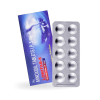

Lisinopril is a widely used medication for managing high blood pressure and improving heart function. This effective treatment helps to relax blood vessels, allowing blood to flow more easily throughout your body. You can conveniently purchase Lisinopril over the counter (OTC) from our online pharmacy, making it readily accessible for your needs. It is an excellent choice for individuals seeking to maintain cardiovascular health. Choose Lisinopril for reliable support in managing your blood pressure.
Extra 10% discount with coupon: EXTRA10
Each dosage option has its own packaging options.
Lisinopril An ACE Inhibitor Understanding Its Role in Cardiovascular Health and Treatment
Lisinopril stands as a cornerstone medication in the realm of cardiovascular health, widely prescribed across the United States for its efficacy in managing critical conditions. As an Angiotensin-Converting Enzyme (ACE) inhibitor, it plays a vital role in addressing high blood pressure, commonly known as hypertension, and offering significant benefits to individuals living with heart failure or those recovering from a heart attack. This medication is recognized for its ability to improve patient outcomes by targeting key physiological pathways involved in cardiovascular regulation.
Understanding Lisinopril involves appreciating its sophisticated mechanism of action and its multifaceted utility. For millions, it represents a crucial component of their long-term health strategy, helping to mitigate the risks associated with chronic cardiovascular diseases. This guide provides an in-depth exploration of Lisinopril, detailing its uses, how it works, important safety information, and what to expect when incorporating it into a health regimen.
Understanding Lisinopril: Mechanism of Action and Therapeutic Role
Lisinopril belongs to a class of medications known as ACE inhibitors. Its primary function revolves around interfering with the body’s renin-angiotensin-aldosterone system (RAAS), a complex hormonal system that regulates blood pressure, fluid balance, and electrolyte balance. By targeting this system, lisinopril helps to alleviate strain on the heart and blood vessels.
Specifically, lisinopril works by blocking the enzyme responsible for converting angiotensin I to angiotensin II. Angiotensin II is a potent vasoconstrictor, meaning it narrows blood vessels, thereby increasing blood pressure. It also stimulates the release of aldosterone, a hormone that promotes sodium and water retention by the kidneys, further elevating blood pressure and increasing fluid volume. By inhibiting the formation of angiotensin II, lisinopril achieves several therapeutic effects.
Firstly, it causes vasodilation, or the widening of blood vessels. This relaxation of blood vessels reduces peripheral resistance, making it easier for blood to flow through and significantly lowering blood pressure. This effect is beneficial not only for hypertension but also for reducing the workload on the heart in conditions like heart failure. With less resistance, the heart doesn’t have to pump as hard to circulate blood, which helps to preserve heart muscle function and reduce symptoms like shortness of breath and fatigue.
Secondly, by reducing angiotensin II levels, lisinopril also decreases the secretion of aldosterone. This leads to a mild increase in sodium and water excretion by the kidneys, which helps to reduce overall fluid volume in the body. While this diuretic effect is usually subtle, it contributes to the blood pressure-lowering action and can be particularly beneficial for patients with heart failure who often experience fluid overload.
Thirdly, ACE inhibitors like lisinopril also affect the breakdown of bradykinin, a substance that promotes vasodilation. By inhibiting the enzyme that degrades bradykinin, lisinopril leads to increased levels of bradykinin, which further contributes to its vasodilatory effects and blood pressure reduction. This mechanism is also thought to be responsible for the common side effect of a dry cough associated with ACE inhibitors.
The therapeutic role of Lisinopril extends beyond simple blood pressure reduction. In heart failure, its ability to reduce both preload (the volume of blood returning to the heart) and afterload (the resistance the heart pumps against) profoundly improves cardiac performance and reduces symptom burden. Following a heart attack, lisinopril helps to prevent the remodeling of the heart muscle that can lead to heart failure, thereby improving long-term prognosis and survival.
In essence, Lisinopril acts as a comprehensive cardiovascular agent that supports the heart and circulatory system through multiple pathways. Its once-daily dosing and consistent efficacy have made it a widely trusted option for managing chronic cardiovascular conditions, contributing significantly to improved quality of life and longevity for many patients in the United States and globally.
Key Indications: When Lisinopril is Prescribed
Lisinopril is a versatile medication with several officially approved indications, primarily focusing on the management of cardiovascular health. Its targeted action on the renin-angiotensin-aldosterone system makes it an invaluable tool for preventing and treating serious heart-related conditions.
Hypertension (High Blood Pressure)
The most common indication for Lisinopril is the treatment of essential hypertension. High blood pressure is a silent killer, often presenting without symptoms but significantly increasing the risk of heart attack, stroke, kidney disease, and other serious health problems. Lisinopril effectively lowers blood pressure by causing blood vessels to relax and widen, reducing the resistance to blood flow. It can be prescribed as a monotherapy, meaning it’s the only medication used, or in combination with other antihypertensive agents, such as diuretics or calcium channel blockers, to achieve optimal blood pressure control. For many, Lisinopril provides a stable and consistent reduction in blood pressure, helping to maintain readings within a healthy range and thereby reducing the long-term risks associated with uncontrolled hypertension. The goal of treatment is not just to lower the numbers but to protect vital organs from the damaging effects of prolonged high pressure.
Heart Failure
Lisinopril is also a cornerstone in the management of symptomatic systolic heart failure. In this condition, the heart muscle becomes weakened and cannot pump enough blood to meet the body’s needs. Lisinopril improves the heart’s pumping efficiency by reducing both the workload on the heart (decreasing afterload) and the volume of blood the heart has to handle (reducing preload). This leads to several benefits for patients with heart failure, including a reduction in symptoms such as shortness of breath, fatigue, and swelling. Moreover, studies have shown that Lisinopril can significantly reduce the risk of hospitalization for heart failure exacerbations and improve overall survival rates. By mitigating the harmful effects of angiotensin II on heart muscle remodeling, lisinopril helps to preserve and improve cardiac function over time, offering a better quality of life for individuals living with this chronic condition.
Acute Myocardial Infarction (Heart Attack)
Following an acute myocardial infarction, or heart attack, Lisinopril is often prescribed for stable patients within 24 hours of the event. Its role here is critical in improving survival and preventing the development of heart failure in the immediate and long-term aftermath. A heart attack can cause damage to the heart muscle, leading to changes in its structure and function, a process known as ventricular remodeling. By inhibiting ACE, lisinopril helps to prevent this adverse remodeling, thereby preserving the remaining healthy heart tissue and improving the heart’s overall ability to pump blood. This proactive treatment can lead to a significant reduction in mortality rates and the incidence of new-onset heart failure post-MI. It’s an essential part of the post-heart attack recovery protocol, aimed at stabilizing the patient and protecting their cardiovascular health going forward.
Proper Use of Lisinopril: Dosage and Administration Guidelines
Effective management of your cardiovascular condition with Lisinopril largely depends on consistent and appropriate administration. While specific dosages are always individualized, there are general guidelines regarding how this medication is typically used.
Lisinopril is generally taken orally, once daily. The tablets can be taken with or without food, as its absorption is not significantly affected by meals. Establishing a routine by taking your dose at the same time each day can help ensure consistency and maximize the medication’s effectiveness. For instance, many people find it convenient to take their dose in the morning.
The initial dosage of Lisinopril can vary significantly depending on the condition being treated, the severity of the condition, and your individual response to the medication. For hypertension, treatment typically starts with a low dose, which may be gradually increased over time to achieve the desired blood pressure control. This titration process allows your body to adjust to the medication and helps to minimize potential side effects.
In the case of heart failure, initial doses are also often low and carefully increased. This approach helps to monitor the body’s response, especially concerning blood pressure and kidney function, as the heart is already compromised. Similarly, after an acute myocardial infarction, dosing starts conservatively and is adjusted based on patient stability and response.
It is important to remember that the full therapeutic effects of Lisinopril may not be immediately apparent. While blood pressure reductions can be seen within hours of the first dose, it may take several weeks of consistent daily use to reach the optimal therapeutic benefit and for your blood pressure to stabilize at its target level. Continuous use, as part of a long-term health plan, is crucial for sustained benefits.
Never adjust your dosage or discontinue taking Lisinopril without specific guidance. Abruptly stopping the medication can lead to a rebound in blood pressure or a worsening of heart failure symptoms, potentially increasing the risk of adverse cardiovascular events. Regular health monitoring is an integral part of treatment with Lisinopril to ensure its continued effectiveness and to promptly address any potential concerns.
Important Safety Information and Potential Considerations
While Lisinopril is a highly effective medication for managing various cardiovascular conditions, it is crucial to be aware of its potential side effects and important safety considerations. Understanding these aspects can help in recognizing any issues early and managing your treatment effectively.
Side Effects
Like all medications, Lisinopril can cause side effects, though not everyone experiences them. Most common side effects are usually mild and temporary, resolving as your body adjusts to the medication.
- Dry Cough: One of the most common and distinctive side effects of ACE inhibitors like lisinopril is a persistent, dry, hacking cough. This cough is typically non-productive and can occur at any point during treatment. It is due to the accumulation of bradykinin in the airways. If the cough becomes bothersome, alternative medications may be considered.
- Dizziness/Lightheadedness: Especially common when first starting lisinopril or when the dose is increased. This is usually due to the initial drop in blood pressure. It can also occur when moving quickly from a sitting or lying position to standing (orthostatic hypotension). It is advisable to rise slowly to minimize this effect.
- Fatigue: Some individuals may experience tiredness or a general feeling of low energy.
- Headache: Headaches are another frequently reported side effect.
- Nausea/Diarrhea: Gastrointestinal disturbances, such as nausea or diarrhea, can occur in some people.
Less common but potentially more serious side effects include:
- Angioedema: This is a rare but serious allergic reaction characterized by swelling of the face, lips, tongue, or throat. It can obstruct the airway and is considered a medical emergency. If you experience any signs of angioedema, seek immediate medical attention.
- Hyperkalemia (High Potassium): Lisinopril can increase potassium levels in the blood, especially in individuals with kidney problems or those taking potassium supplements or certain diuretics. Symptoms can include muscle weakness, irregular heartbeat, or numbness/tingling.
- Kidney Problems: In some cases, particularly in individuals with pre-existing kidney disease or severe heart failure, lisinopril can affect kidney function. Regular monitoring of kidney function is often part of the treatment plan.
- Hypotension (Low Blood Pressure): While lisinopril is intended to lower blood pressure, an excessive drop can occur, especially after the first dose, in individuals who are dehydrated, or those taking other diuretics. Symptoms include severe dizziness, fainting, and lightheadedness.
Warnings and Precautions
Several important warnings and precautions are associated with the use of Lisinopril to ensure its safe and effective administration:
- Angioedema Risk: The risk of angioedema, a severe and potentially life-threatening swelling, is a critical concern with ACE inhibitors. Patients who have a history of angioedema with any other substance are at a higher risk. This requires immediate medical attention.
- Hyperkalemia: Caution is advised when lisinopril is used with other medications or supplements that can raise potassium levels, such as potassium-sparing diuretics (e.g., spironolactone), potassium supplements, or certain salt substitutes.
- Hypotension: Patients may experience symptomatic hypotension, especially after the initial dose. This risk is greater in patients who are volume-depleted (e.g., from diuretic therapy, dialysis, or severe vomiting/diarrhea) or those with severe heart failure.
- Renal Impairment: Lisinopril should be used with caution in individuals with pre-existing kidney conditions. Regular monitoring of kidney function tests (creatinine and blood urea nitrogen) is often necessary during treatment.
- Pregnancy Warning: Use of ACE inhibitors like lisinopril during pregnancy can cause injury or death to the developing fetus. It is crucial to avoid Lisinopril if you are pregnant or planning to become pregnant.
- Lactation: It is generally not recommended to use Lisinopril while breastfeeding, as it may pass into breast milk and potentially affect the infant.
- Drug Interactions: Lisinopril can interact with several other medications. These include diuretics (which can potentiate its hypotensive effect), NSAIDs (Nonsteroidal Anti-inflammatory Drugs, which can reduce its blood pressure-lowering effect and increase the risk of kidney problems), lithium (can increase lithium toxicity), and other antihypertensive agents (additive hypotensive effects).
Being fully informed about these potential side effects and precautions is an essential part of managing your health while taking Lisinopril. Open communication about any concerns or symptoms you experience is key to ensuring your safety and optimizing your treatment outcomes.
| Characteristic | Description |
|---|---|
| Active Ingredient | lisinopril |
| Drug Class | Angiotensin-Converting Enzyme (ACE) Inhibitor |
| Primary Uses | High Blood Pressure (Hypertension), Heart Failure, Post-Myocardial Infarction |
| Formulation | Oral Tablet |
| Typical Dosing Frequency | Once Daily |
| Common Side Effects | Dry cough, dizziness, headache, fatigue |
| Brand Names (in US) | Prinivil, Zestril |
Comparing Lisinopril with Other Blood Pressure and Heart Medications
When managing cardiovascular conditions, a variety of medications are available, each with unique mechanisms of action and benefits. Lisinopril, as an ACE inhibitor, offers specific advantages but also presents certain considerations that differentiate it from other commonly prescribed drugs. Understanding these comparisons can provide context for its therapeutic role.
| Drug Name | Drug Class | Primary Mechanism | Key Advantages of Lisinopril | Key Differences/Alternatives |
|---|---|---|---|---|
| Lisinopril | ACE Inhibitor | Blocks Angiotensin II formation, promotes vasodilation | Once-daily dosing, effective for hypertension, heart failure, and post-MI. Proven to improve survival in HF and post-MI. Generally well-tolerated. | Common dry cough is a distinguishing side effect. Risk of angioedema. |
| Losartan (Cozaar) | ARB (Angiotensin Receptor Blocker) | Directly blocks Angiotensin II receptors, preventing vasoconstriction | Often used in patients who develop a persistent dry cough with ACE inhibitors, as ARBs typically have a lower incidence of cough. | Similar therapeutic effects to ACE inhibitors for hypertension and heart failure, but a different mechanism for Angiotensin II blockade. Less impact on bradykinin. |
| Amlodipine (Norvasc) | Calcium Channel Blocker (CCB) | Relaxes blood vessels by blocking calcium entry into muscle cells, reducing peripheral resistance | Effective for hypertension and certain types of angina. Once-daily dosing. Can be effective when ACE inhibitors or ARBs are not fully sufficient. | Different side effect profile, commonly peripheral edema (ankle swelling). Does not have the same direct benefits for heart failure remodeling or post-MI survival as ACE inhibitors. |
| Hydrochlorothiazide (HCTZ) | Thiazide Diuretic | Increases excretion of sodium and water from the kidneys, reducing blood volume | Often used as a first-line treatment for hypertension, especially when fluid retention is a factor. Can be combined with lisinopril for enhanced blood pressure control. | Different mechanism of action, primarily focused on fluid balance. Can cause electrolyte imbalances (e.g., low potassium). No direct benefits on heart muscle remodeling or post-MI survival. |
| Metoprolol (Lopressor/Toprol XL) | Beta-Blocker | Reduces heart rate, cardiac output, and force of contraction; blocks effects of adrenaline | Effective for hypertension, angina, heart failure, and post-MI. Can also help with anxiety and migraines. Available in various formulations for tailored release. | Different mechanism of action, directly affecting heart rate and contractility. Can cause fatigue, bradycardia (slow heart rate), and exacerbate asthma in some individuals. |
Each of these drug classes targets different aspects of cardiovascular regulation, making them suitable for various patient profiles and often used in combination for comprehensive management. Lisinopril stands out for its broad utility across hypertension, heart failure, and post-MI care, offering significant benefits in terms of both blood pressure control and organ protection, particularly for the heart. Its once-daily regimen also contributes to adherence, an important factor in long-term disease management.
Frequently Asked Questions About Lisinopril
-
What should I do if I miss a dose of Lisinopril?
If you miss a dose of lisinopril, take it as soon as you remember, unless it is almost time for your next scheduled dose. In that case, skip the missed dose and continue with your regular dosing schedule. Do not take a double dose to make up for a missed one, as this could increase the risk of side effects. Consistency is important, so try to take your medication at the same time each day.
-
How long does it take for Lisinopril to start working?
While the blood pressure-lowering effects of lisinopril can often be observed within a few hours of the first dose, the full therapeutic effect and the stabilization of your blood pressure at the target level may take several weeks of consistent daily use. It’s crucial to continue taking the medication regularly even if you don’t immediately feel a change, as its benefits accumulate over time.
-
Can I stop taking Lisinopril if my blood pressure returns to normal?
No, you should not stop taking lisinopril without discussing it. High blood pressure is often a chronic condition that requires continuous management. Stopping the medication abruptly can cause your blood pressure to rise again, potentially leading to a rebound effect and increasing your risk of serious cardiovascular events such as a heart attack or stroke. Your treatment plan is designed for long-term health maintenance.
-
What is the most common side effect of Lisinopril?
The most commonly reported side effect of lisinopril is a persistent, dry, hacking cough. This cough is typically non-productive and may occur at any time during treatment, from a few days to several months after starting the medication. While generally harmless, if the cough becomes bothersome, alternative medications may be considered.
-
Can Lisinopril be taken with food?
Yes, lisinopril can be taken with or without food. Its absorption and effectiveness are not significantly influenced by food. You can choose to take it at the time that is most convenient and consistent for you each day, which can help in maintaining a regular dosing schedule.
-
Is Lisinopril used for conditions other than high blood pressure?
Yes, in addition to treating high blood pressure (hypertension), Lisinopril is also indicated for the management of symptomatic systolic heart failure. It helps improve symptoms and outcomes for those with weakened heart muscle. Furthermore, it is prescribed for stable patients following an acute myocardial infarction (heart attack) to improve survival and prevent the development of heart failure.
-
What should I watch out for when taking Lisinopril?
While taking Lisinopril, it’s important to be vigilant for certain symptoms. Watch for any unusual swelling of the face, lips, tongue, or throat, as this could be a sign of angioedema, a serious allergic reaction requiring immediate attention. Also, be aware of severe dizziness, fainting, or signs of elevated potassium levels, such as muscle weakness or an irregular heartbeat. Report any serious or persistent side effects promptly.
What Our Customers Say About Lisinopril
-
“I’ve been taking Lisinopril for my high blood pressure for over five years now, and it has been incredibly effective. My blood pressure readings are consistently within a healthy range, and I haven’t experienced any significant side effects beyond a mild, occasional cough, which is very manageable. It’s truly helped me manage my condition and maintain an active lifestyle, giving me peace of mind about my cardiovascular health. I feel much more confident and energetic since starting this medication, and it has significantly improved my quality of life.”
– Robert L., California
-
“After my heart event last year, my doctor prescribed Lisinopril to help support my heart function and aid in my recovery. I was initially worried about adding another daily medication, but it has proven to be a game-changer. I’ve noticed a significant improvement in my overall energy levels and a remarkable reduction in the shortness of breath and fatigue I was experiencing. This medication has allowed me to regain a lot of the strength and vitality I thought I might lose, empowering me to get back to my daily activities and enjoy time with my family without constant worry.”
– Maria S., Florida
Living Well with Lisinopril: A Commitment to Health
Lisinopril represents a critical advancement in cardiovascular pharmacology, offering a robust solution for managing high blood pressure, heart failure, and post-myocardial infarction care. Its mechanism of action, which precisely targets the renin-angiotensin-aldosterone system, provides comprehensive benefits that extend beyond simple symptom relief to vital organ protection and improved long-term prognosis.
For individuals in the United States and worldwide, incorporating Lisinopril into a health regimen signifies a proactive commitment to cardiovascular well-being. By consistently adhering to the recommended administration, individuals can effectively manage their conditions, reduce the risk of serious complications, and foster a healthier future. The journey toward better heart health is a continuous one, and Lisinopril serves as a powerful ally in this endeavor, supporting the heart’s function and maintaining circulatory health day after day. Embracing the benefits of this medication can lead to a more stable and healthier lifestyle, allowing individuals to live more fully and confidently.
| Dosage | 2.5mg, 5mg, 10mg |
|---|---|
| Package | 60 pills, 90 pills, 120 pills, 180 pills, 270 pills, 360 pills |
| Active Ingredient | lisinopril |
Be the first to review “Lisinopril”
You must be logged in to post a review.
Related products


Reviews
There are no reviews yet.