


Xalatan
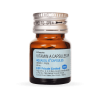

Xalatan is a highly effective ophthalmic solution designed to reduce elevated intraocular pressure in patients with open-angle glaucoma or ocular hypertension. This trusted medication works by increasing the outflow of aqueous humor from the eye, thereby lowering pressure and protecting your vision. We are pleased to offer Xalatan over the counter, making it easily accessible for your convenience. As an OTC product, you can purchase Xalatan without a prescription directly from our online store. Choose Xalatan for reliable and accessible eye pressure management.
Extra 10% discount with coupon: EXTRA10
Each dosage option has its own packaging options.
Xalatan a Key to Lowering Eye Pressure and Preserving Vision in Glaucoma
Xalatan (Latanoprost ophthalmic solution) represents a significant advancement in the medical management of elevated intraocular pressure (IOP), a primary risk factor for glaucoma. This highly effective eye drop formulation is widely trusted for its ability to help preserve vision by lowering the pressure within the eye. Understanding how Xalatan works, its benefits, and proper usage is crucial for individuals seeking to maintain optimal eye health.
For many years, Xalatan has been a cornerstone in the therapeutic approach to open-angle glaucoma and ocular hypertension. Its targeted mechanism of action, combined with a generally favorable safety profile, has established it as a preferred option for millions of patients in the USA and worldwide. This detailed guide aims to provide a thorough overview of Xalatan, offering valuable insights for individuals looking to understand this important medication.
Understanding Xalatan and Its Role in Eye Health
Xalatan is a prostaglandin F2α analog that contains Latanoprost as its active ingredient. It is specifically designed to treat conditions characterized by elevated intraocular pressure, namely open-angle glaucoma and ocular hypertension. These conditions, if left unmanaged, can lead to irreversible damage to the optic nerve, potentially resulting in permanent vision loss.
Glaucoma is a group of eye conditions that damage the optic nerve, often caused by abnormally high pressure in the eye. Open-angle glaucoma, the most common form, develops gradually and often without noticeable symptoms in its early stages. Ocular hypertension refers to elevated pressure inside the eye without any signs of optic nerve damage or visual field loss. Both conditions require careful management to prevent progression.
The primary goal of treating elevated IOP is to reduce the pressure to a level that minimizes the risk of optic nerve damage. Xalatan achieves this effectively, making it a vital tool in the long-term care of individuals at risk of or diagnosed with glaucoma. Its efficacy has been well-documented in numerous clinical studies, demonstrating its consistent ability to lower IOP.
How Xalatan Works to Reduce Intraocular Pressure
The mechanism of action for Xalatan is centered around its active ingredient, Latanoprost. When administered as an eye drop, Latanoprost is absorbed through the cornea and hydrolyzed to its biologically active acid form. This active metabolite then acts as a selective prostaglandin F2α receptor agonist. Its primary effect is to increase the outflow of aqueous humor, the clear fluid that fills the front of the eye. This increased outflow occurs predominantly through the uveoscleral pathway, a secondary drainage system of the eye.
Normally, aqueous humor is produced by the ciliary body and drains out of the eye primarily through the trabecular meshwork. In conditions like open-angle glaucoma, this drainage system can become less efficient, leading to a buildup of fluid and increased intraocular pressure. By enhancing the uveoscleral outflow, Xalatan helps to balance the production and drainage of aqueous humor, thereby reducing the pressure inside the eye. This reduction in IOP is crucial for preventing further damage to the optic nerve and preserving visual function.
The action of Xalatan is typically sustained, allowing for a once-daily dosing regimen, which significantly contributes to patient convenience and adherence to treatment. This sustained effect means that the medication works continuously throughout a 24-hour period to keep eye pressure at a controlled level.
Approved Indications for Xalatan
Xalatan is approved for the reduction of elevated intraocular pressure in patients with open-angle glaucoma or ocular hypertension. Its effectiveness has been demonstrated across various patient populations, establishing it as a reliable option for these specific eye conditions.
It is important to understand that Xalatan does not cure glaucoma; rather, it manages the condition by controlling intraocular pressure. Consistent and appropriate use, as directed, is essential for achieving and maintaining the desired therapeutic effect and protecting the optic nerve from progressive damage.
Proper Usage and Administration of Xalatan Eye Drops
For optimal results and safety, it is vital to use Xalatan eye drops correctly. The typical dosage involves instilling one drop into the affected eye(s) once daily, preferably in the evening. Administering the drops in the evening helps to achieve maximum pressure-lowering effect during the nocturnal hours, which is often when IOP can be highest for some individuals.
Here are key steps for proper administration:
- Wash your hands thoroughly before handling the eye drops.
- Gently pull down your lower eyelid to form a small pocket.
- Invert the bottle and squeeze gently to dispense one drop into the eye. Avoid touching the dropper tip to your eye, eyelids, or any other surface to prevent contamination.
- Close your eye gently and, if possible, press a finger to the corner of your eye near the nose for about one minute. This helps prevent the medication from draining into your tear duct and entering your bloodstream, maximizing its local effect in the eye.
- Blot away any excess liquid around the eye with a clean tissue.
- If you are using other ophthalmic medications, wait at least five minutes between applications of different eye drops to ensure each medication is properly absorbed.
Consistency is key to managing intraocular pressure effectively. Adhering to the once-daily regimen is crucial for maintaining stable pressure control. If a dose is missed, it should generally be skipped, and the next dose taken at the regular time. Do not double the dose to make up for a missed one.
Important Considerations and Potential Side Effects
While Xalatan is generally well-tolerated, it is important to be aware of certain considerations and potential side effects. Like all medications, it can cause reactions in some individuals.
One of the most notable potential side effects of Latanoprost is a gradual change in eye color, specifically an increase in the brown pigment of the iris. This change is often permanent and can be more noticeable in individuals with mixed-color irides (e.g., blue-brown, gray-brown, yellow-brown). The mechanism involves an increase in the number of melanosomes in the stromal melanocytes of the iris.
Other common side effects include:
- Temporary eye irritation, burning, or stinging upon instillation.
- Redness of the eye (conjunctival hyperemia).
- Eyelid darkening or increased eyelash growth and thickness.
- Punctate keratopathy (small areas of corneal damage).
- Foreign body sensation in the eye.
Less common but possible side effects may include blurred vision, eye pain, itching, dry eyes, and light sensitivity. In rare instances, more serious side effects such as macular edema (swelling in the retina) or uveitis (inflammation inside the eye) can occur.
Individuals who wear contact lenses should remove them before applying Xalatan and wait at least 15 minutes before reinserting them. This is because the preservative in the eye drops, benzalkonium chloride, can be absorbed by soft contact lenses and potentially cause irritation or discoloration.
If any side effect becomes particularly bothersome or persistent, it is important to re-evaluate your treatment strategy. Certain pre-existing eye conditions or systemic health issues may influence the suitability of Xalatan for an individual.
Storage and Handling Guidelines
Proper storage of Xalatan ensures its efficacy and safety. Unopened bottles of Xalatan should be stored in a refrigerator at a temperature between 36°F to 46°F (2°C to 8°C). Once a bottle is opened, it can be stored at room temperature, not exceeding 77°F (25°C), for up to six weeks. After six weeks, any remaining solution should be discarded, even if it has not reached its expiration date, to prevent contamination and ensure potency. Always keep the bottle tightly closed when not in use and keep it out of the reach of children.
Benefits and Efficacy of Xalatan
Xalatan has been extensively studied and has demonstrated consistent efficacy in reducing intraocular pressure. Its benefits include:
- Potent IOP Reduction: It is highly effective in significantly lowering elevated eye pressure, which is critical for preventing optic nerve damage.
- Once-Daily Dosing: The convenience of a single daily dose, preferably in the evening, enhances patient adherence to therapy, which is vital for long-term management of glaucoma.
- Well-Established Safety Profile: With years of clinical use in the USA and globally, Xalatan has a well-understood safety and tolerability profile.
- Sustained Effect: The pressure-lowering effect lasts for a full 24 hours, providing continuous control of IOP.
For individuals with open-angle glaucoma or ocular hypertension, the ability of Xalatan to consistently lower IOP provides a crucial defense against vision loss, allowing them to maintain their quality of life.
Clinical Studies and Evidence
The efficacy and safety of Xalatan have been validated through numerous clinical trials. Studies have consistently shown that Latanoprost effectively reduces IOP by approximately 25-30% from baseline values. These studies have involved diverse patient populations, confirming its broad applicability. Long-term follow-up studies have also affirmed its sustained efficacy and safety over extended periods of use, reinforcing its position as a reliable treatment option for chronic conditions like glaucoma.
In the USA, Xalatan has undergone rigorous review by regulatory authorities, meeting stringent standards for pharmaceutical products. This extensive clinical evidence provides confidence in its therapeutic value.
Product Characteristics of Xalatan
Below is a summary of the key characteristics of Xalatan ophthalmic solution:
| Characteristic | Description |
|---|---|
| Active Ingredient | Latanoprost |
| Drug Class | Prostaglandin F2α Analog |
| Formulation | Sterile Ophthalmic Solution |
| Concentration | 0.005% (50 micrograms/mL) |
| Primary Indication | Reduction of elevated intraocular pressure in patients with open-angle glaucoma or ocular hypertension |
| Dosage Regimen | One drop in the affected eye(s) once daily, preferably in the evening |
| Preservative | Benzalkonium Chloride |
| Packaging | Typically supplied in 2.5 mL or 5 mL dispenser bottles |
| Storage (Unopened) | Refrigerate at 36°F to 46°F (2°C to 8°C) |
| Storage (Opened) | Store at room temperature (up to 77°F/25°C) for up to 6 weeks |
Comparison with Popular Analogs
Xalatan belongs to the class of prostaglandin analogs, which are often considered first-line treatments for glaucoma and ocular hypertension due to their high efficacy and convenient once-daily dosing. Other popular analogs include Travoprost (found in products like Travatan Z) and Bimatoprost (found in products like Lumigan). While they share a similar mechanism of action, there can be subtle differences in their chemical structure, side effect profiles, and patient responses.
| Feature | Xalatan (Latanoprost) | Travatan Z (Travoprost) | Lumigan (Bimatoprost) |
|---|---|---|---|
| Active Ingredient | Latanoprost | Travoprost | Bimatoprost |
| Mechanism of Action | Increases uveoscleral outflow of aqueous humor. | Increases uveoscleral outflow, possibly also trabecular outflow. | Increases uveoscleral and trabecular outflow. |
| Concentration | 0.005% | 0.004% | 0.01% or 0.03% |
| Dosing Regimen | Once daily (evening) | Once daily (evening) | Once daily (evening) |
| Common Side Effects | Iris pigmentation change, eyelash changes, conjunctival hyperemia, ocular irritation. | Conjunctival hyperemia, ocular irritation, iris pigmentation change, eyelash changes. | Conjunctival hyperemia, eyelash changes, iris pigmentation change, ocular irritation. |
| Preservative | Benzalkonium Chloride (BAK) | SofZia (a non-BAK preservative) | Benzalkonium Chloride (BAK) |
| Key Differentiator | Well-established, long clinical history, often a first choice. | Contains a “soft” preservative (SofZia) which may be beneficial for sensitive eyes. | Potentially slightly higher IOP reduction in some studies, also used for eyelash growth (not a primary indication for glaucoma products). |
The choice among these medications often depends on individual patient response, specific tolerability to preservatives, and overall efficacy in achieving target IOP. All three are highly effective in lowering intraocular pressure.
Frequently Asked Questions About Xalatan
Q1: What is the main purpose of Xalatan?
A1: Xalatan is primarily used to reduce elevated intraocular pressure (IOP) in individuals diagnosed with open-angle glaucoma or ocular hypertension. By lowering eye pressure, it helps prevent damage to the optic nerve and preserves vision.
Q2: How often should I use Xalatan?
A2: The recommended dosage for Xalatan is one drop in the affected eye(s) once daily. For best results, it is usually recommended to administer the drops in the evening.
Q3: Can I wear contact lenses while using Xalatan?
A3: If you wear soft contact lenses, you should remove them before applying Xalatan. Wait at least 15 minutes after instilling the drops before reinserting your contact lenses. This is to avoid the absorption of the preservative (benzalkonium chloride) by the lenses, which could cause irritation or discoloration.
Q4: What are the common side effects of Xalatan?
A4: Common side effects include temporary eye irritation, burning or stinging upon application, redness of the eye, darkening of the iris (eye color change), and increased growth or thickness of eyelashes. Most of these effects are mild and temporary, but iris color change can be permanent.
Q5: How quickly does Xalatan start working?
A5: Xalatan typically starts to lower intraocular pressure within 3 to 4 hours after the first dose. The maximum effect is usually observed around 8 to 12 hours after administration.
Q6: Can Xalatan change my eye color permanently?
A6: Yes, Xalatan can cause a gradual increase in the brown pigment of the iris, leading to a permanent change in eye color, particularly in individuals with mixed-color irides. This change is often subtle and may take months or years to become noticeable.
Q7: Is Xalatan safe for long-term use?
A7: Xalatan is designed for long-term management of elevated intraocular pressure. Its safety and efficacy for extended use have been established through extensive clinical studies and years of real-world application in patients worldwide, including in the USA.
Q8: What should I do if I miss a dose of Xalatan?
A8: If you miss a dose, simply skip it and continue with your regular dosing schedule the next evening. Do not instill an extra dose to compensate for the missed one.
Positive User Experiences with Xalatan
Here are a couple of fictional testimonials from individuals who have used Xalatan for managing their intraocular pressure:
“For years, I’ve been managing ocular hypertension, and Xalatan has been a game-changer for me. Before, I was constantly worried about my eye pressure fluctuating, but since starting Xalatan, my readings have been consistently stable. It’s so easy to use, just one drop in the evening, and I can truly feel peace of mind knowing I’m doing my part to protect my vision. I haven’t experienced any bothersome side effects, just clear vision and consistent pressure control. It’s been a reliable treatment that has allowed me to continue living my life without constant worry.” – Emily R., 62, Seattle, WA
“When I was diagnosed with open-angle glaucoma, I was naturally concerned about my future vision. My healthcare provider recommended Xalatan, and I’ve been using it ever since. The once-daily application is incredibly convenient, fitting easily into my routine. My eye pressure has remained well within the target range, and I feel confident that I’m taking the right steps to manage my condition. I appreciate how effective it is without causing any significant discomfort. It really works to keep my eye pressure in check, and I’m very grateful for the clarity and consistency it provides.” – David S., 70, Austin, TX
These reviews reflect the positive impact Xalatan can have on individuals managing elevated intraocular pressure, highlighting its effectiveness and user-friendliness.
Conclusion
Xalatan (Latanoprost ophthalmic solution) stands as a highly effective and well-tolerated medication for the reduction of elevated intraocular pressure in patients with open-angle glaucoma or ocular hypertension. Its mechanism of action, once-daily dosing, and proven clinical efficacy make it a cornerstone in the ongoing management of these conditions. By consistently lowering IOP, Xalatan plays a crucial role in preventing optic nerve damage and preserving the precious gift of sight.
Understanding the proper administration, potential considerations, and benefits of Xalatan empowers individuals to take an active role in their eye health. For those seeking a reliable and established option to manage their intraocular pressure, Xalatan offers a comprehensive solution.
| Dosage | 2.5ml |
|---|---|
| Package | 1 bottles, 2 bottles, 3 bottles, 4 bottles, 5 bottles, 6 bottles, 7 bottles, 8 bottles, 9 bottles, 10 bottles |
| Active Ingredient | xalatan |
Be the first to review “Xalatan”
You must be logged in to post a review.
Related products


Reviews
There are no reviews yet.